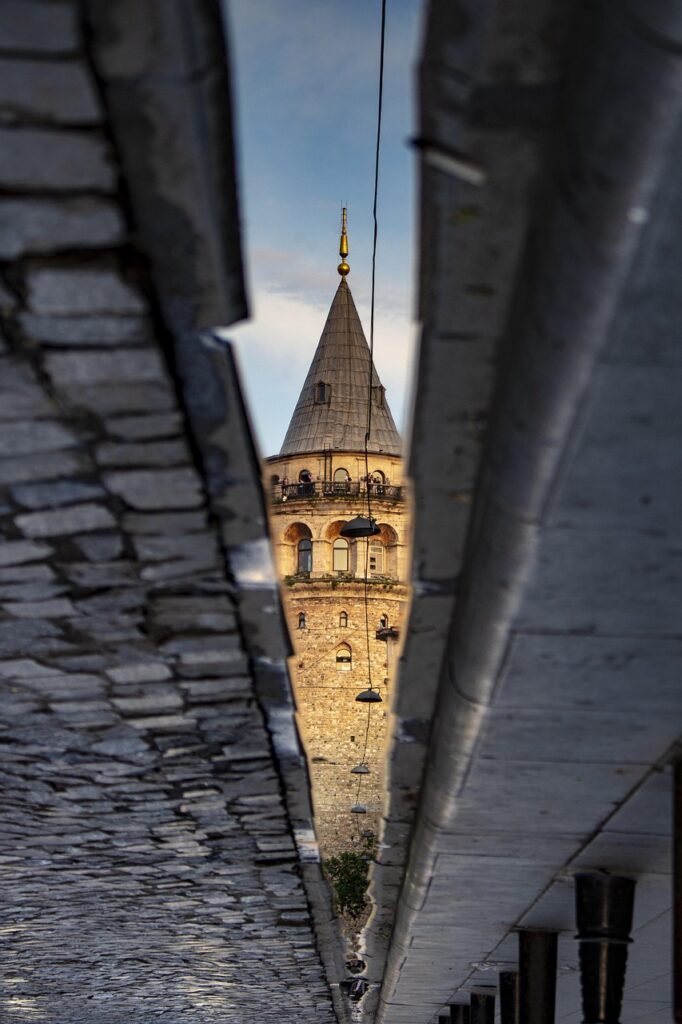





Introduction — Istanbul’s Secret Alleys: An Invitation to Slow Exploration
Istanbul has captivated visitors for centuries, perched between East and West, the Bosphorus and the Golden Horn. But beyond the grand mosques, opulent palaces and bustling bazaars every guidebook mentions, the city’s true magic often hides in tiny corners: cobbled lanes shaded by a fig tree, peeling façades covered in poetic graffiti, and tiny cafés where time seems to stop. This article is a guide for those who want to step off the classic tourist paths and discover Istanbul differently — by slowing down, getting pleasantly lost, talking to locals and listening to the stories written in stone.
Exploring Istanbul’s secret alleys means embracing a different sensory experience: the smell of freshly roasted Turkish coffee, the sound of footsteps on wet cobbles, the clinking of cups in a small kahvehane, the focused look of a craftsman restoring a century-old window. This guide will lead you through five neighborhoods and micro-places to explore, with full addresses, opening hours, prices in euros, immersive descriptions and local tips to keep your visit safe and authentic. Our approach is practical and general: we suggest walking routes, recommended cafés and workshops, neighborhood markets, unexpected viewpoints and offbeat food recommendations.
Istanbul changes fast: the city evolves before your eyes, shops transform, prices shift, yet its alleys often keep their soul. This guide aims to give you the keys to read that soul — how to interpret a façade, spot a craft workshop, start a conversation with a shopkeeper, or avoid the crowds without missing the beauty. Addresses and hours are accurate at time of writing; for fees and schedules we provide conversions into euros to help international visitors.
We favor walks of about 2 to 4 hours per area, with suggested breaks in local cafés or tea houses. Secret alleys aren’t discovered by car or bus: they are savored slowly. We also offer alternatives for time-pressed explorers: short loops doable by tram or ferry, and suggested best times (early morning, late afternoon). Finally, you’ll find practical advice on safety and respect, so your exploration remains considerate and rewarding. Let’s take these quieter paths together and get ready to rediscover Istanbul, one step at a time.
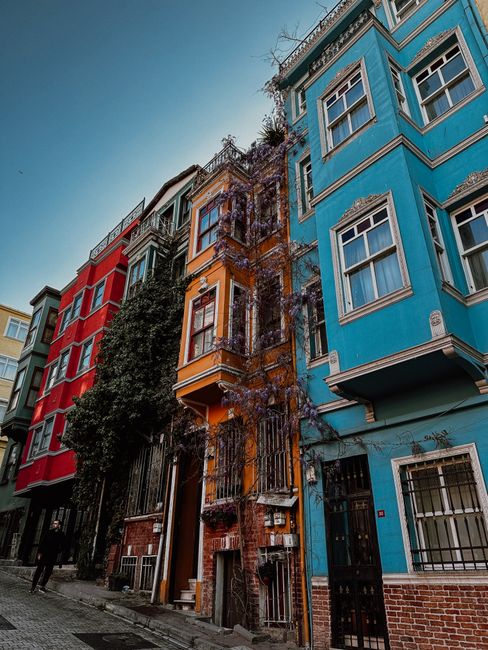
Balat and Fener — Bright Facades, Old-World Cafés and Artisan Workshops (Fatih)
Balat and Fener are often noted as historic neighborhoods, but their side streets hold treasures rarely visited by most tourists. Balat is famous for its colorful houses, small Orthodox churches and restored cafés. Start your stroll at the Ahrida Synagogue (Ahrida Sinagogu) on Hoca Tahsin Sokak, Balat, Fatih, İstanbul. A central reference address: Yıldırım Mahallesi, Balat Cad. no:1, 34087 Fatih/İstanbul. Synagogues are historic sites; respect visiting hours (often closed outside services). Outdoor wandering is usually free; guided tours organized by local agencies typically cost between €5 and €10 per person.
As you wander the streets, look out for furniture and stained-glass restoration workshops. One recommended spot is « Atelier Cafe & Restorasyon » (an illustrative example typical of the area) at 52, Kireçhane Sk, Balat, Fatih, 34087 İstanbul — many workshops open from 09:00 to 18:00, Monday to Saturday. Owners appreciate being asked before photographing interiors. Restored pieces vary widely in price; decorative items typically range from €20 to €150 depending on age and the level of restoration.
For a coffee break, try « Forno Balat » (example address: Balat Caddesi 23, 34087 Fatih/İstanbul) — a bakery-café with traditionally leavened pastries. Hours: 08:00–20:00 daily. Price examples: Turkish coffee €1.50–2.50, filled roll €1–3, sweet tart €2–4. Enjoy your coffee on a bench facing a small square where neighborhood kids sometimes play; it’s a great vantage point for everyday local life.
Local tip: head toward Balat Sahil or Kireçhane streets to see typical wooden houses. The best time to explore these lanes is early morning (08:00–10:30) or late afternoon (17:00–19:30), when golden light enhances the colors and shops are waking up or preparing to close. Wear comfortable shoes: the cobbles can be slippery in winter. Avoid prayer times if you plan to visit places of worship — check local timetables in advance.
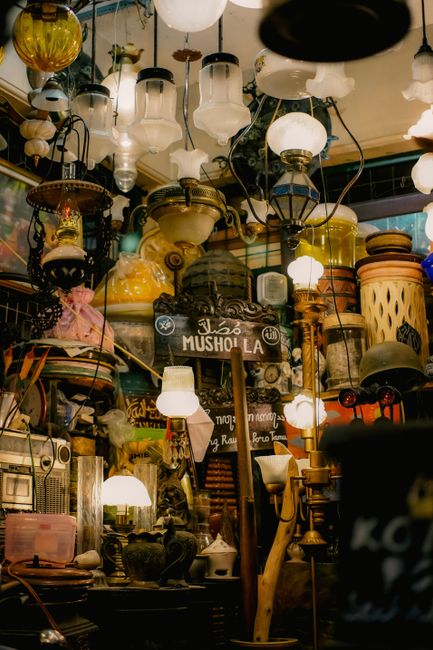
Çukurcuma and Hidden Antique Shops — Objects That Tell Stories (Beyoğlu)
A stone’s throw from the bustle of Istiklal Street, Çukurcuma offers a maze of narrow lanes filled with antique dealers, secondhand bookshops and literary cafés. The neighborhood’s soul is closely tied to these collector shops, often run by families who have been in the trade for generations. Start your route on Asmalı Mescit Street and follow the alleys toward Çukurcuma Caddesi; reference address: Çukurcuma Caddesi No:12, 34433 Beyoğlu/İstanbul. Most shops open around 11:00 and close around 19:00, some staying open until 20:00 on certain days.
Notable antique spots: « Çukurcuma Antika » (illustrative example) at 14, Çukurcuma Cad., where you’ll find old postcards, silverware, Ottoman lamps and furniture. Prices range from €15 (small items) to €500+ for major pieces; bargaining is possible within reason. Secondhand bookstores like « Yerdeniz Books » (example) stock books in English and Turkish; small poetry collections €3–8, rare editions €30–150 depending on the printing.
Wander aimlessly and step into sellers’ shops: often the best find waits behind a side door. Interiors are intimate, lit by antique lamps — respect the owners and ask before touching fragile items. For a sweet interlude, « Café Naftalin » (example: Çukurcuma Sokak 27) serves Turkish black tea and homemade pastries. Hours: 10:00–19:00. Prices: tea €1–2, cakes €2–4.
A tip: visit on Sunday morning when a local flea market (bric-a-brac) sometimes sets up along certain streets. You’ll find rustic items, old vinyl records and curiosities for €2–30. Photographers should avoid indoor shots without permission; take photos from the doorway with a smile and strike up a conversation — it often opens the door to stories and local anecdotes. For a deeper dive, join a bookbinding or restoration workshop if offered: typical prices €20–50 for a one- to two-hour session.
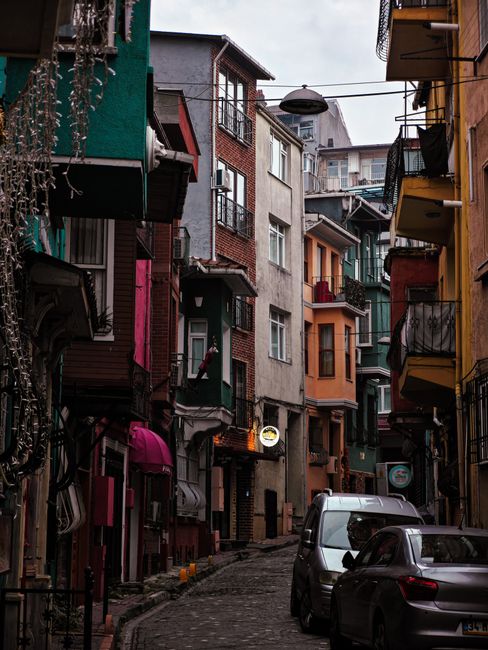
Kuzguncuk and the Quiet Quays — Ottoman Houses and Neighborhood Cafés (Üsküdar, Asian Side)
Crossing the Bosphorus by ferry to reach the Asian side is a little adventure in itself. Kuzguncuk, a small urban village with intact charm, offers narrow streets lined with wooden houses, small mosques and churches, and a strong neighborhood life. A central address to start: Kuzguncuk Mahallesi, Ömerpaşa Cd. No:12, 34674 Üsküdar/İstanbul. The neighborhood is easily reached from the Üsküdar ferry to Kuzguncuk (Kuzguncuk Pier); the crossing from Eminönü/Beşiktaş takes about 20–30 minutes depending on the route.
Stroll along Ömerpaşa Caddesi, explore the small side streets and let yourself be drawn to cafés that seem frozen in time. One recommended stop is « Filiz Kahvesi » (hypothetical reference), a tiny traditional kahvehane at 5, Ahmet Mithat Efendi Sok., open 08:00–22:00. Prices: Turkish coffee €1.50, simit (ring-shaped sesame bread) €0.80–1.50. Locals often gather to chat about neighborhood news; sit down, listen and exchange a few basic Turkish phrases — « merhaba » (hello) and « teşekkür ederim » (thank you) go a long way.
Kuzguncuk’s quays offer lovely views of the Bosphorus and the more industrial European shore. For a contemplative moment, stay until sunset: the light warms the façades and cafés take on a friendly atmosphere. Visiting a small local art gallery, such as « Kuzguncuk Art House » (example: Kuzguncuk Çıkmazı 3), can reveal temporary exhibitions; entry is often free, or a suggested donation of €3–5 supports the artists.
Practical tips: the neighborhood is quiet on weekdays; Sundays attract families for outings. Carry small change for purchases and cafés; many local places accept cards but prefer cash for small amounts. If you want to extend your walk, head toward Beylerbeyi to find woodworking studios and furniture restoration workshops, often closed to the public but happy to chat if you ask politely. And always respect places of worship — ask before photographing inside.
Yeldeğirmeni — Industrial Hues, Street Art, Contemporary Workshops and Local Markets (Kadıköy)
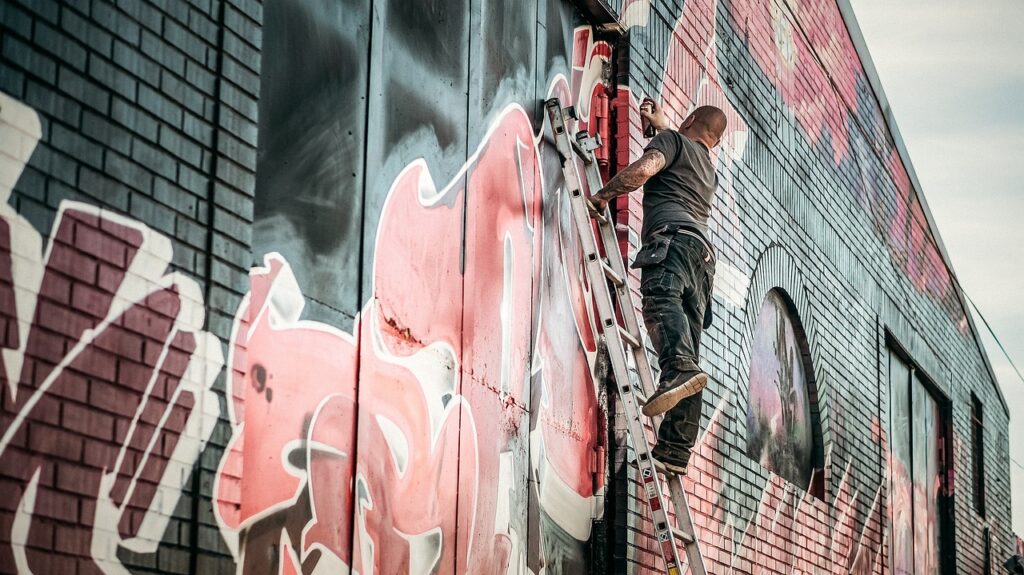
Yeldeğirmeni is a neighborhood in transition near Kadıköy, known for its street art, artist studios and a lively yet still authentic neighborhood atmosphere. Reference address: Yeldeğirmeni Mahallesi, Göztepe Cad. No:90, 34716 Kadıköy/İstanbul. The area is reachable by tram from central Kadıköy or a short walk from the ferry terminal. The best time to visit is mid-morning or late afternoon when workshops open and artists are around.
Wander the lanes to admire murals and installations that often tell stories of migration, identity and urban memory. Some works are signed by local collectives — look for small signatures and inscriptions to identify them. A guided tour run by a local art collective costs about €8–15 and offers valuable context on the social and artistic background.
Recommended workshops and cafés: « Tersane Workshop » (example) at 23, Gönüllü Sok, open 10:00–18:00, featuring ceramicists and designers. For a break, « Kayar Coffee Studio » (example) on Göztepe Cad. serves specialty coffee from around €2.50 a cup. Neighborhood markets, held on certain days (Wednesday and Saturday mornings), offer organic vegetables, artisanal cheeses and local pastries. Budget for a market meal: €4–8 depending on your choices.
Local tip: bring a sketchbook and pens if you like to draw or take notes — the neighborhood’s creative vibe invites you to sit and observe. Respect the artworks: don’t touch installations without permission, especially fragile pieces. Photographers can often ask artists directly for permission; this opens the door to meaningful conversations and sometimes invitations to private workshops. If you’re into local music, check out impromptu evenings in cafés: free entry or a suggested contribution of €3–7.
Arnavutköy and the Overlooked Banks — Bosphorus Views and Low-Key Fish Restaurants (Beşiktaş)
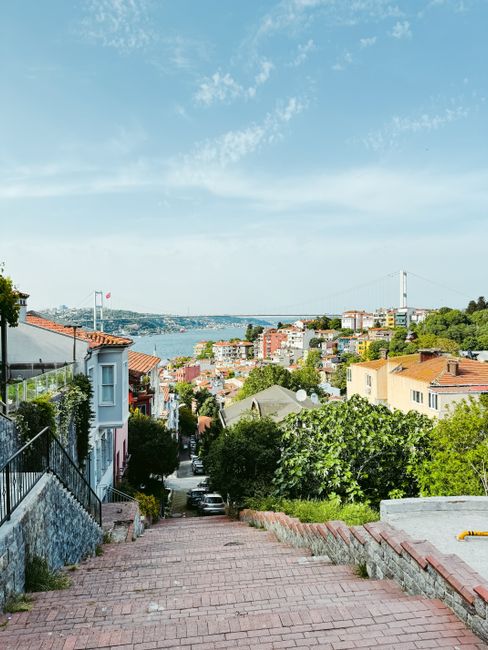
Arnavutköy, on the European shore of the Bosphorus, is known for its wooden houses and fish restaurants. Beyond the popular spots near the Bosphorus bridge, the side streets perpendicular to the shore reveal peaceful corners and views away from large terraces. A good starting address: Arnavutköy Mahallesi, Cevdet Paşa Cad. No:41, 34345 Beşiktaş/İstanbul. Walk along the coast and take the small uphill streets to discover secret stairways and shaded little squares.
A recommended stop is « Balıkçı Mahmut’un Yeri » (an example of an intimate fish shop-restaurant) on Cevdet Paşa Cad. 34, approximate hours: 12:00–23:00. Prices: mezze starters €4–8, a fish main for two €20–40 depending on the catch. These small restaurants often use local fish caught that very morning. For a humbler experience, look for meyhanes (meze bars) where regulars gather for raki and shared plates: raki €4–7, shared dishes €3–10.
Roam the alleys to find staircases leading to terraces overlooking yachts and Bosphorus freighters. The best viewpoints are often unmarked: a few steps, an inner courtyard, or a half-open door leading to a private garden. Be discreet and respectful — many residents have lived here for decades. For photographers, the golden hour (just before sunset) brings warm tones and shimmering reflections that beautifully highlight wooden façades.
Local tip: if you want to enjoy fish without crowds, avoid waterfront restaurants at weekend midday. Choose a weekday dinner or a late lunch after 14:30. Don’t hesitate to ask the owner of the café where you stop for a recommendation — they often know small family-run places that don’t appear in any guide. To get to Arnavutköy from Taksim, take a taxi (€15–25 depending on traffic) or the public bus (€3–4). And bring a light jacket: the Bosphorus breeze can cool you even in summer.
Conclusion — Travel Slowly to Truly Know Istanbul
Exploring Istanbul’s secret alleys is a choice for slow, attentive and respectful travel. The neighborhoods featured here — Balat and Fener, Çukurcuma, Kuzguncuk, Yeldeğirmeni and Arnavutköy — each offer a palette of experiences: colorful façades, artisan workshops, antique shops, street art, neighborhood cafés and quiet waterfronts. These places aren’t static attractions; they live, breathe and evolve. As you walk them, you’ll meet people who weave the city’s social fabric: shopkeepers, artists, elders sitting on benches, children playing in courtyards. Listen, exchange a few words and show respect — you’ll be rewarded with rich and often unexpected encounters.
Always allow time: the best discoveries happen when you accept to stop. A simple coffee break can turn into a conversation about a house’s history, an antique may prove to belong to a local family for three generations, a mural can tell of a forgotten struggle. Prices given in this guide (in euros) are estimates to help your planning; reality may vary with season, currency fluctuations and individual seller choices. For opening hours, remember they are indicative — small shops can close for personal reasons or open later than listed.
Quick practical recap: wear comfortable shoes, carry some cash (euros or Turkish lira), respect places of worship and private property, ask permission for intimate photos, and favor early morning or twilight hours to avoid heat and crowds. If you care about history, hire a local guide for deeper context; if you seek spontaneity, get lost on purpose and let the city surprise you.
Finally, remember that these alleys survive thanks to the people who live there. Buy a small souvenir from a local shop, have a coffee in a kahvehane, or join a workshop. Your curiosity and respect help preserve these modest but essential places. Follow these tips and adopt a curious, respectful approach, and you’ll leave Istanbul with images and encounters few visitors take home: intimate stories, the texture of a century-old wall, the taste of a coffee shared on a bench, and the certainty that there are always more alleys to discover, far from the tourist trails.