





Introduction — Why an anti-guide for Istanbul?
Istanbul is a city that fascinates, draws you in—and sometimes disappoints. Between monumental mosques, colorful bazaars, Bosphorus cruises and panoramic views from iconic towers, the average tourist can easily follow a prepackaged route that breeds long lines, inflated prices and shallow experiences. This “Anti-Guide” isn’t about bashing Istanbul’s beauty; it’s about flagging ten sites that mainstream guides rave about but which, for visitors looking for authenticity and real sense of place, often deliver crowding rather than feeling. By avoiding these overrated must-sees—or by approaching them differently—you’ll open yourself to alternatives that feel truer, more local and often cheaper.
This piece is meant as a practical, critical guide. For each overrated attraction I provide: the full name, the exact address, practical info (hours and prices in euros), a detailed explanation of why the spot is considered “overrated,” and, most importantly, tips to replace the experience with richer alternatives. These alternatives will help you understand Istanbul better: its social geography, its living history, its neighborhood food, genuine craft workshops and viewpoints that are less photographed but far more meaningful.
Heads-up: Istanbul is constantly changing—opening times, regulations and prices can shift quickly. The prices shown here are estimates converted to euros (€) at the time of writing; check official websites or ask locally for updates. The point of this anti-guide isn’t to ban visits to these sites—some are unavoidable for a first-time look—but to help you prioritize your time and budget for a denser, more memorable discovery. If you only have a few days in the city, swapping a long queue for a stroll through a lively neighborhood can completely change how you see Istanbul.
Finally, reading this anti-guide isn’t about becoming cynical: it’s about learning to travel as a curious visitor rather than a collector of clichés. Below you’ll find ten attractions listed precisely: if you insist on seeing them, go early in the morning, off-season, or plan an immediate alternative afterward. Each section ends with concrete local tips—transport, nearby streets, cafés or workshops to explore to deepen your experience.
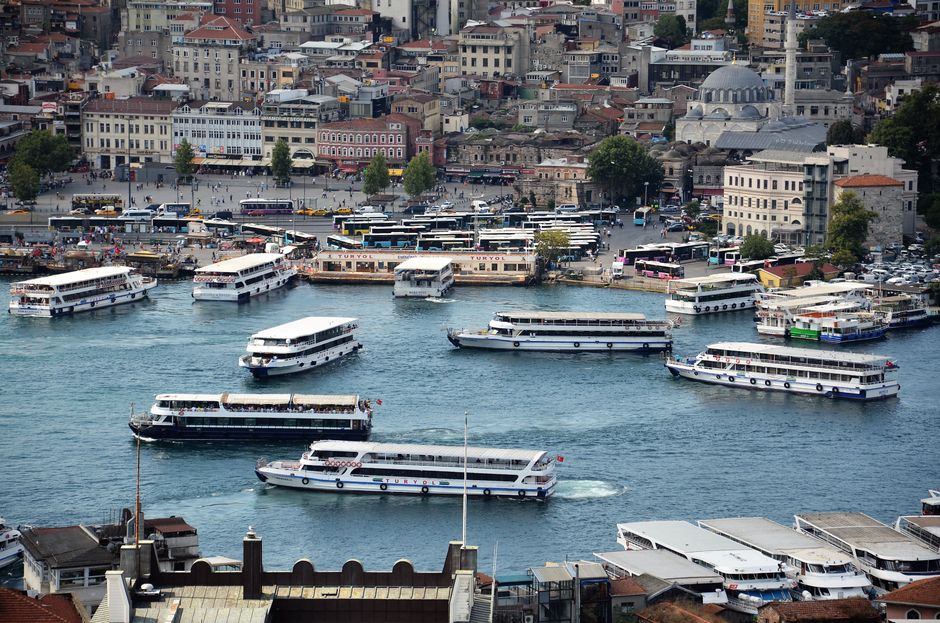
1. Ayasofya-i Kebir Cami (Hagia Sophia) — Sultan Ahmet Meydanı, Fatih
- Address: Sultan Ahmet Meydanı, Sultanahmet, 34122 Fatih/İstanbul, Türkiye
- Price: Free (functions as a mosque). Paid guided tours around €15–€30 depending on the agency.
- Hours: Open continuously for worshippers; tourist access allowed outside prayer times (check daily prayer slots).
Hagia Sophia is a globally famous monument, a striking architectural spectacle sitting between Byzantine church and Ottoman mosque. Yet its omnipresence in the media and its recent reconversion as an active mosque have turned it into a crowd magnet: long waits, photo restrictions at certain times, and such high visitor density that quiet contemplation is often impossible. Many people leave with photos but without the historical depth or serenity they were hoping for.
Why skip or rethink a visit: in high season the crowds block your ability to appreciate the mosaics, the liturgical silence and the building’s material presence. Lines and security checks leave little room for wandering, and 30–40 minute rushed tours don’t substitute for a thoughtful reading of the site’s layered history.
Local tip: if you really want to see it, arrive before mosque openings in the morning (around 08:00 depending on the season) and favor weekday visits outside Turkish school holidays. Recommended alternative: visit the Chora Church (Kariye Museum) at Kariye Mahallesi, Derviş Ali Sk. No: 24, 34087 Fatih/İstanbul — entry about €5–€8; it offers Byzantine mosaics with far fewer visitors and a much more intimate atmosphere.
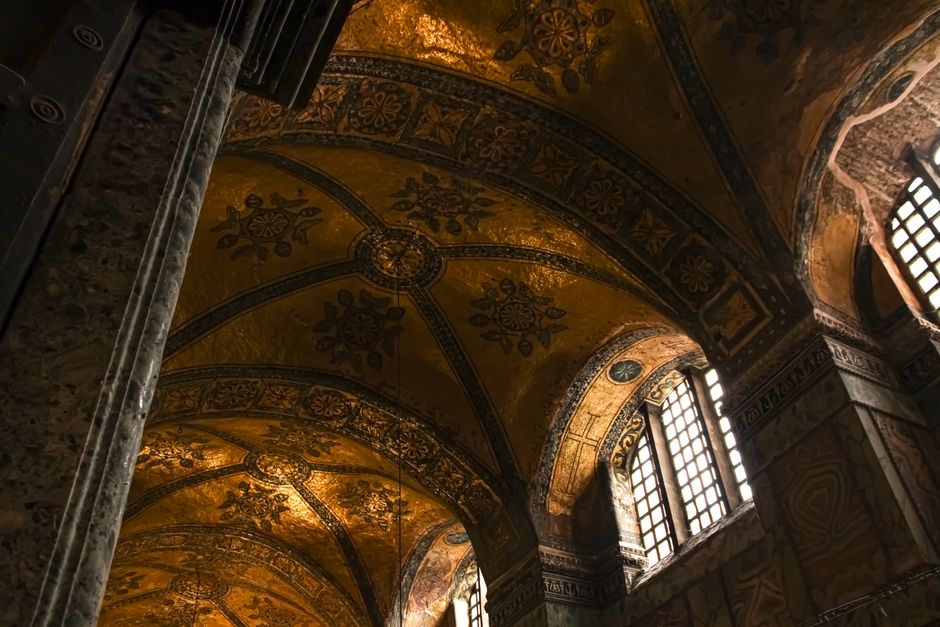
2. Sultanahmet Meydanı (Sultanahmet Square) — the compressed tourist heart
- Address: Sultanahmet Meydanı, Sultanahmet, 34122 Fatih/İstanbul, Türkiye
- Price: Free (public space); shops and cafés around the square charge tourist prices.
- Hours: Square accessible 24/7; shops and cafés follow local hours (generally 08:00–23:00).
Sultanahmet Square is often billed as Istanbul’s “historic heart.” Indeed, it’s the crossroads for major attractions: Hagia Sophia, the Blue Mosque, the Hippodrome. But in reality the square mostly functions as a staging area for tour buses and selfie stops. Street vendors, express photography services and a heavy security presence turn this public space into a photo-op theme park rather than a living neighborhood.
Why skip: the experience tends to be purely transit-oriented—a required passage between monuments—without real local immersion. Cafés around the square often mark up prices (tea €3–€6, simple dishes €10–€18), and the constant noise makes attentive reading of the historical sites difficult.
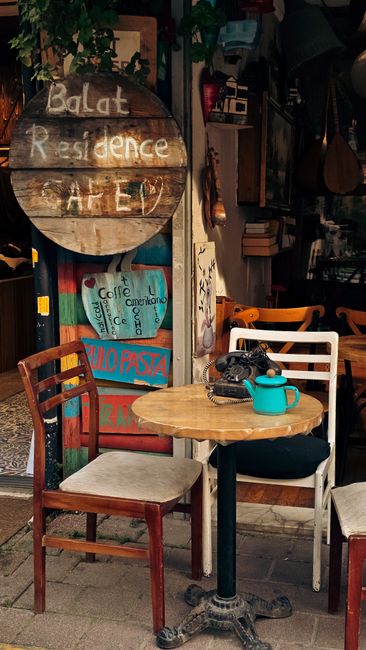
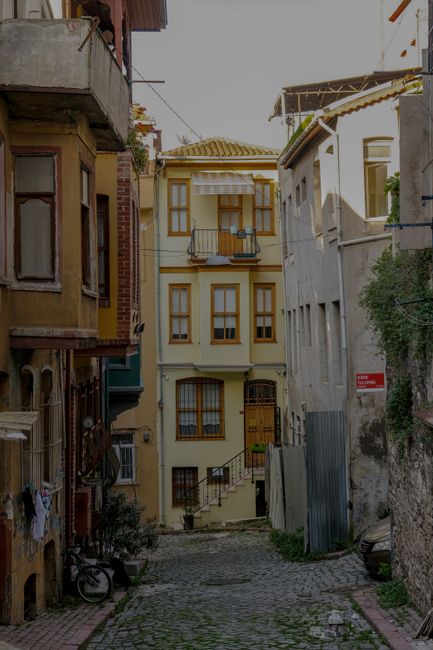
Local tip: cross the square but then head into the less touristy adjacent neighborhoods: Çemberlitaş, Süleymaniye or Balat to feel the urban fabric. Wander along Divanyolu Caddesi to spot traditional shops and Ottoman houses, then duck into a small çay bahçesi (tea garden) in a side street—tea there is often €0.50–€1.00 and the interaction is more genuine.
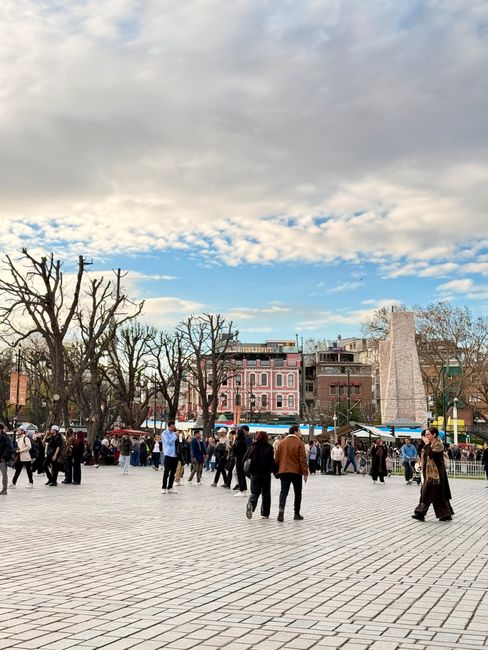
3. Topkapı Sarayı (Topkapı Palace) — Cevat Paşa Caddesi, Fatih
- Address: Cankurtaran, 34122 Fatih/İstanbul, Türkiye (Topkapı Palace Museum)
- Price: Museum entry about €12–€18; special sections (Treasury) an extra €8–€12; varies by season.
- Hours: Typically 09:00–18:00 (closed certain days in low season)—check the official site before you go.
Topkapı Palace is rich in objects, gardens and Bosphorus views. However, its popularity produces a stopwatch experience: set routes, packed rooms, and a pace that favors consuming icons (the Treasury, the Harem for an extra fee, the divan) rather than understanding the site’s sociopolitical role. The most photographed rooms often feel smaller than you expect, giving a sense of overexposed collections.
Why skip or limit your time: if your schedule is tight, smaller specialized museums can offer a much clearer reading of Ottoman history than a long, exhausting Topkapı visit. Plus, access to paid sections quickly drives up the cost.
Local tip: prioritize a stroll in the adjacent park or visit the Istanbul Archaeological Museum (Alemdar, 34122 Fatih) for more measured historical context. If you insist on Topkapı, buy skip-the-line tickets online and go very early in the morning (or late afternoon) to avoid peak hours. Afterward, head down to Kabataş and explore the less touristy Bosphorus quays.
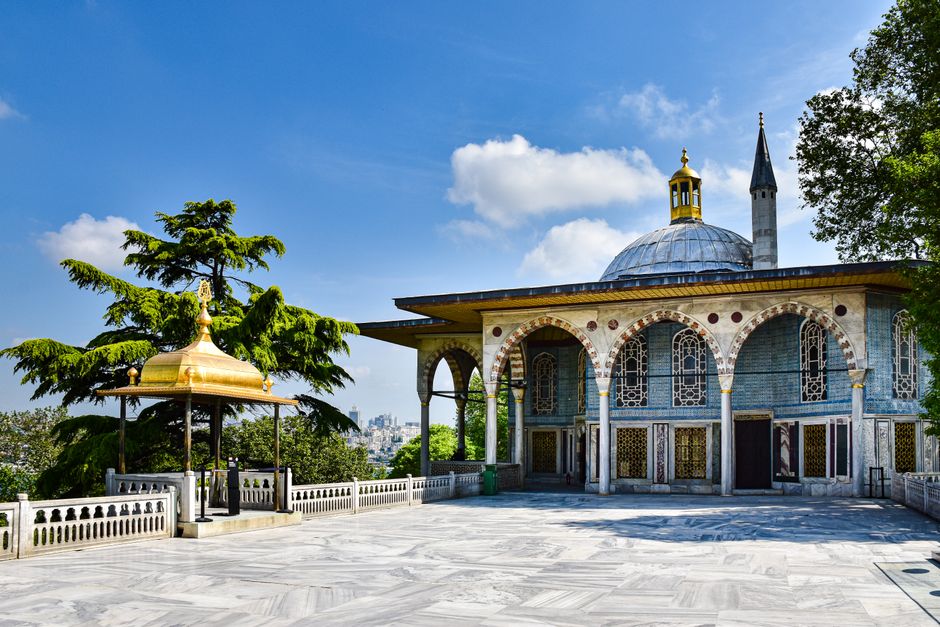
4. Kapalıçarşı (Grand Bazaar) — Beyazıt, Fatih
- Address: Beyazıt Mh., Kalpakçılar Cd. No:22, 34126 Fatih/İstanbul, Türkiye
- Price: Free to enter; purchases are often heavily marked up—haggling expected (often +30–100% tourist price).
- Hours: Generally 09:00–19:00 (closed Sundays and religious holidays, check ahead).
The Grand Bazaar is often sold as the ultimate oriental shopping experience. Yet for visitors seeking authentic crafts, the repetition of identical stalls, the sales pressure and the pricing strategies make it feel commercial rather than authentic. Vendors frequently push mass-market products: “handmade” rugs priced like factory output, recycled lanterns, or generic souvenirs.
Why skip: wasted time, sensory fatigue and botched purchases if you’re not a skilled negotiator. Many leave disappointed realizing that the “made in Turkey” label can sometimes be misleading.
Local tip: for genuine crafts, explore workshops outside the bazaar—areas like Asmalı Mescit or Karaköy showcase contemporary designers, or visit the Arasta Street shops (Arasta Çarşısı, Arasta Çıkmazı No: 10, Sultanahmet) for local artisans. If you do go to the Grand Bazaar, set a firm budget, ask about a product’s origin and compare several stalls before buying.
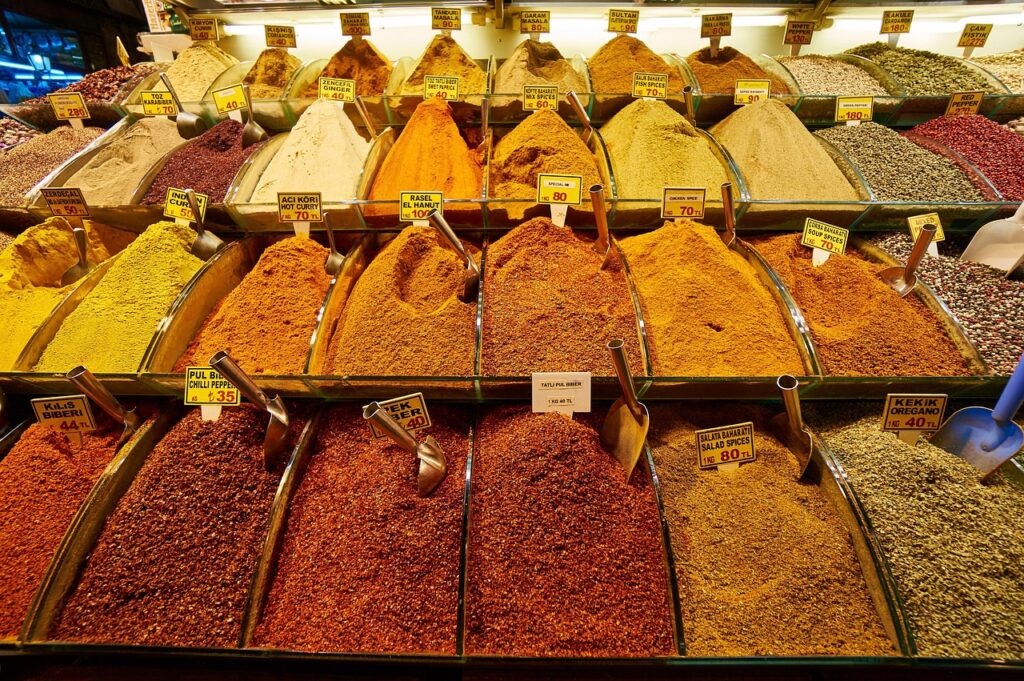
5. Mısır Çarşısı (Spice Bazaar) — Rüstem Paşa, Eminönü
- Address: Rüstem Paşa, Erzak Ambarı Sk. No:92, 34116 Eminönü/Fatih, İstanbul, Türkiye
- Price: Free entry; spices and food products sold at tourist prices—spice packets €3–€12, Turkish delights €4–€15 depending on packaging.
- Hours: Usually 09:00–19:00 (closed certain holidays).
The Spice Bazaar delivers an explosion of color and scent. But the stagey presentation has turned it into a fast-consumption space: industrial tasting portions, souvenir packaging and pushy sellers eager for quick sales. Many spice mixes are standardized and not as fresh as what you’d find from local suppliers.
Why skip: if you’re after high-quality ingredients, you’ll waste time and risk mediocre purchases. The market attracts cruise groups and guided tours, which fuels the hard sell.
Local tip: for authentic spices, visit specialist shops in residential neighborhoods like Kadıköy (Tellalzade Sokak area) or hunt for independent gourmet grocers in Galata. If you go to the Spice Bazaar, buy from a vendor who will show you the product’s origin, offer unsweetened samples and let you smell the spices freely.
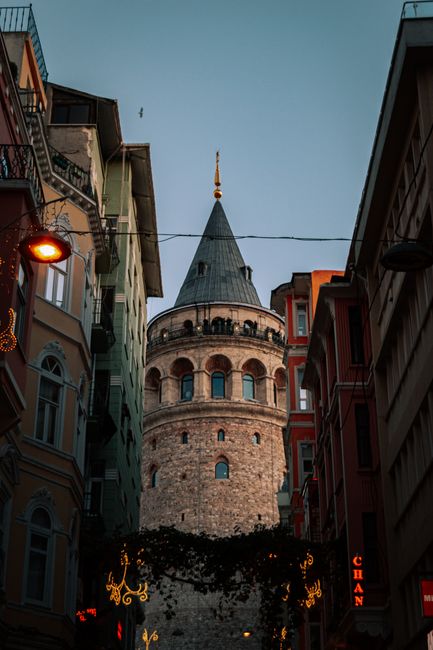
6. Galata Kulesi (Galata Tower) — Bereketzade, Beyoğlu
- Address: Bereketzade, Galata Kulesi Sk. No: 8, 34421 Beyoğlu/İstanbul, Türkiye
- Price: About €6–€12 for the climb (varies by season and reduced resident rates).
- Hours: 09:00–20:00 depending on season (reduced hours at night); occasional closures for maintenance.
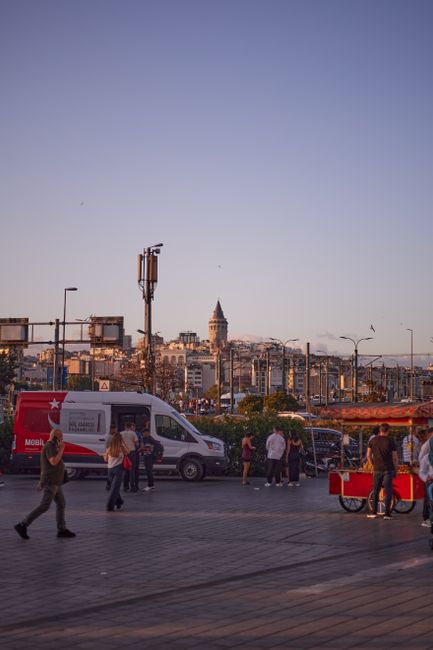
The view from Galata Tower is often billed as the ultimate panorama over Istanbul. But the pricey entry and long waits for a crowded observation deck make the experience more photographic than reflective. The circular top holds few people at a time; queueing eats into your day and leaves little chance to explore the surrounding streets of Galata, which are rich with cafés and workshops.
Why skip: an expensive panorama for what it delivers, usually clogged with tourists, and with overpriced food and drinks on-site.
Local tip: instead, head to one of the less-touristy rooftops in Karaköy or Beyoğlu for tea or coffee (average €3–€8) and an equally charming view without the tower hassle. Wander the lanes of Galata to discover woodworking shops, second-hand bookstores and small galleries.
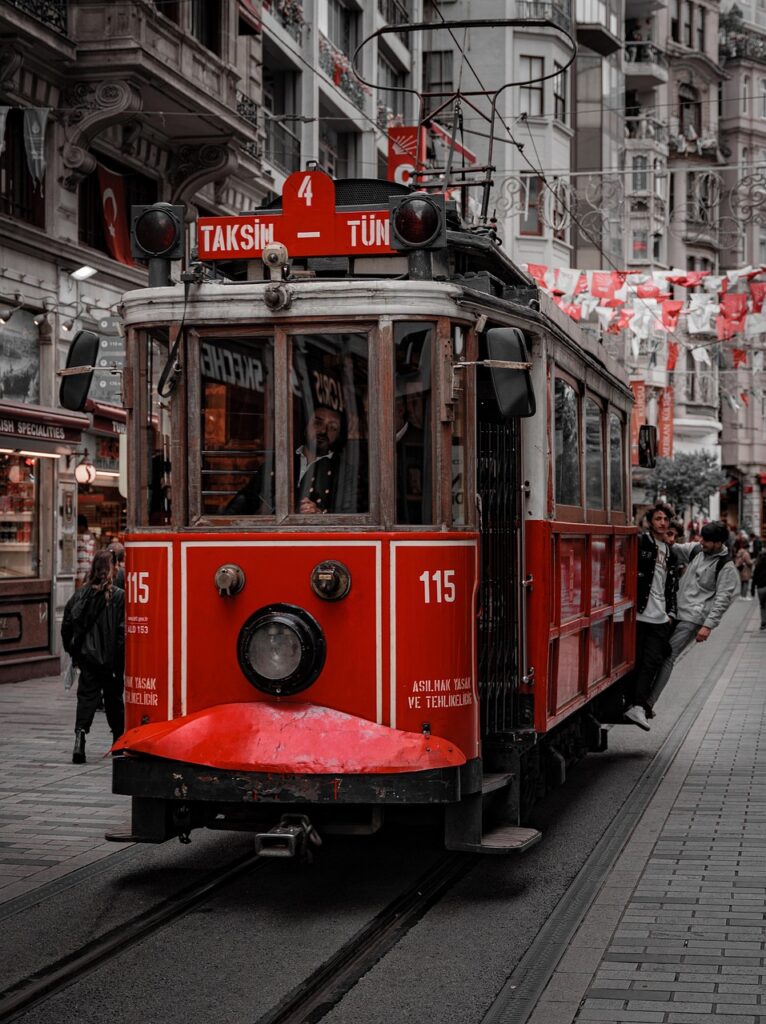
7. Istiklal Caddesi (Istiklal Avenue) — Beyoğlu
- Address: Istiklal Caddesi, Beyoğlu, 34425 İstanbul, Türkiye (long pedestrian avenue)
- Price: Free to stroll; shops and cafés vary (meals average €8–€20).
- Hours: Avenue accessible 24/7; shops generally 10:00–22:00 depending on the store.
Istiklal is often billed as Istanbul’s lively shopping street: nostalgic tram, chain stores, restaurants and museums. Yet it’s the epitome of mass tourism: dense crowds, international brands, street vendors and buskers asking for coins. The avenue sometimes loses its local character and becomes a sanitized, globalized stretch.
Why skip: if you’re after local soul, this central artery usually offers a “safe,” standardized version of the city. The historic cafés that remain have often been refitted to serve tourists.
Local tip: explore the small perpendicular streets (Şahne Sokak, Asmalı Mescit) for bars and restaurants run by locals. Take the funicular up to the Çukurcuma hill for flea markets and second-hand bookshops, and visit antique dealers’ workshops that reveal objects truly embedded in Istanbul’s past.
8. Short Bosphorus Cruises (Eminönü/Karaköy public boats)
- Typical departure: Eminönü İskelesi, Rüstem Paşa, 34116 Eminönü/Fatih, İstanbul, Türkiye
- Price: Short organized tours €10–€25; public Bosphorus commuter ferries €1–€3 (less scenic but economical).
- Hours: Tourist excursions 10:00–18:00; public ferry schedules run regularly morning/evening.
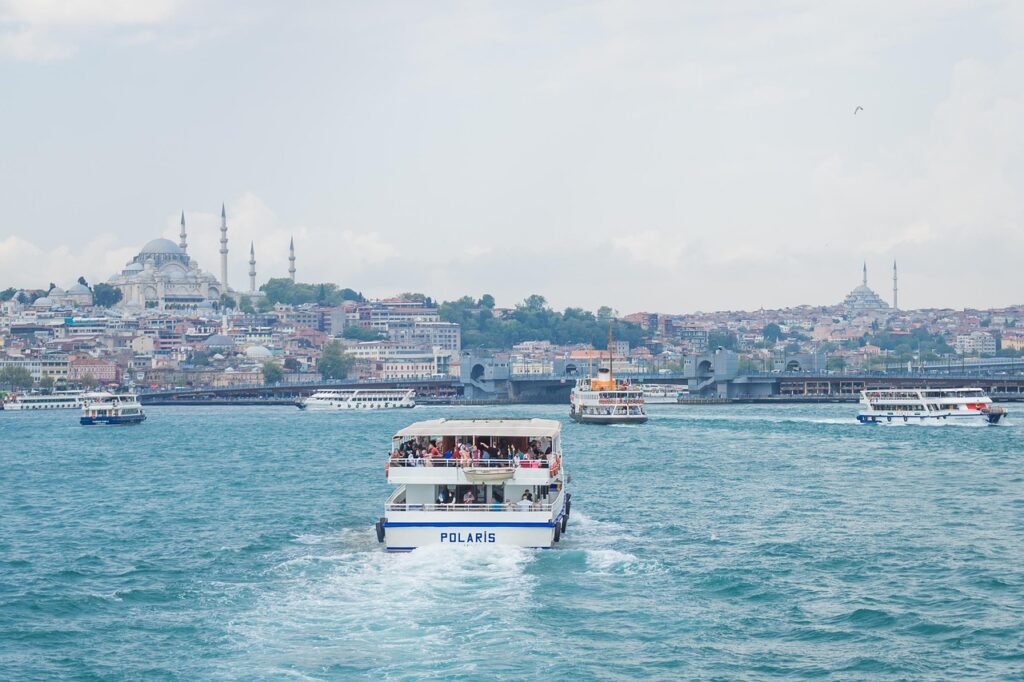
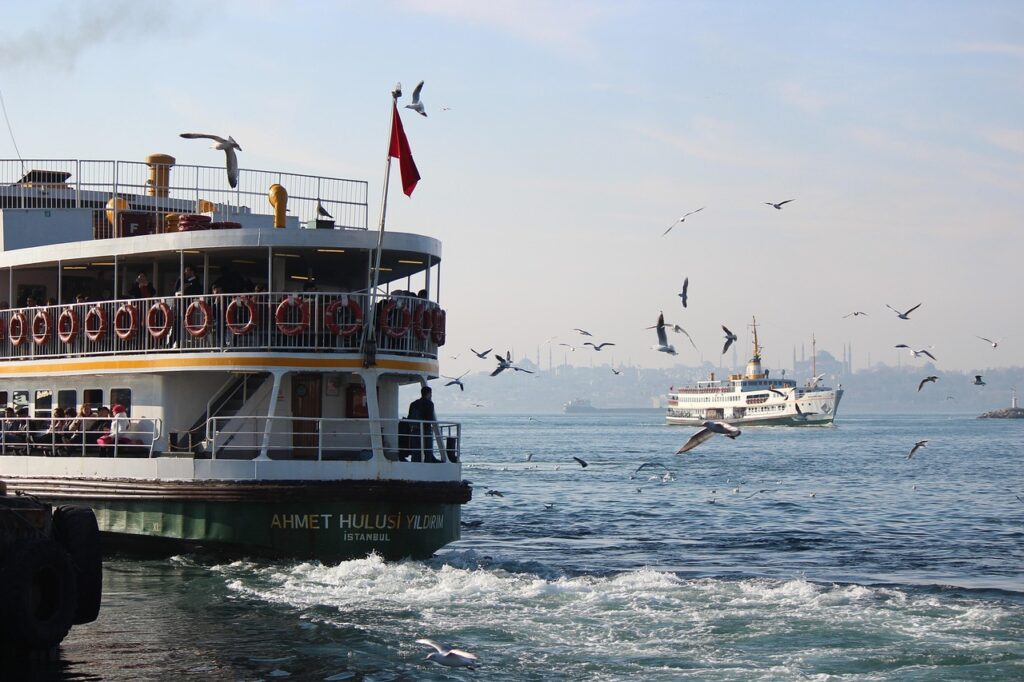
Bosphorus cruises sold at tourist kiosks often promise a complete, narrated panorama. In reality, commercial circuits are cramped, with amplified music, drink sellers and standardized photo stops. Much of the same view is available at a fraction of the price on public ferries, or by walking along the quays.
Why skip: the value-for-money of organized tours is often poor and the experience lacks contact with Istanbul’s real maritime life.
Local tip: take the public ferry between Eminönü and Üsküdar (fare ~€1.50) to watch daily life on the Bosphorus, or rent a shared private boat among several people for a more intimate outing (prices vary, €15–€30 per person depending on duration). Afterwards, stroll neighborhoods like Arnavutköy or Bebek for cafés and wooden waterfront houses.
9. Taksim Meydanı (Taksim Square) — Beyoğlu
- Address: Taksim Meydanı, Gümüşsuyu, 34435 Beyoğlu/İstanbul, Türkiye
- Price: Free to access the square; cafés and restaurants nearby €6–€25 per person.
- Hours: Square accessible 24/7; businesses follow local opening times.
Taksim is often considered Istanbul’s modern center, but for visitors it’s mostly a large functional square surrounded by international brands and steady human traffic. Political events and demonstrations can make the area unpredictable. Moreover, the contrast between the square and the bubbling side streets of Beyoğlu is frequently disappointing: you expect nightlife and find mostly chain outlets and tourist venues.
Why skip: a low-immersion, sometimes stressful experience depending on timing; less authenticity compared with the neighborhoods below the square.
Local tip: descend toward Çukurcuma, Nevizade and Asmalı Mescit for craft bars and locally-run restaurants; explore Şahkulu Street and its surroundings for small bistros and artisan workshops where a meal can cost €8–€15 and offer real immersion.
10. Tourist « top 10 » Hamams — public baths turned into attractions
- Example: Çemberlitaş Hamamı, Divanyolu Cd. No: 16, 34110 Fatih/İstanbul, Türkiye
- Price: Tourist packages €30–€80 depending on treatment; local public baths €5–€15.
- Hours: Tourist-oriented places usually 07:00–22:00; times vary.
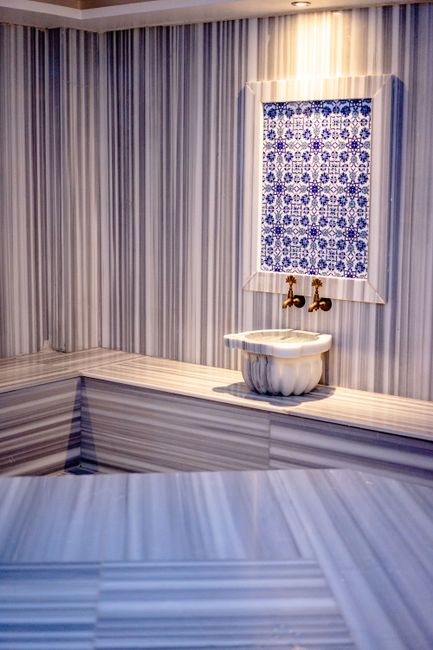
The “famous” hamams appear on every Istanbul to-do list. Over time, many have turned the ritual into a spectacle for tourists: brisk massages, mass-market products and high prices. Historic baths are often restored for modern comfort, but the experience can feel impersonal and pricey.
Why skip: many venues prioritize turnover over ritual—for a high price you may receive a rushed scrub and commercial soap. The value of a Turkish bath lies in slowness, warmth and social interaction, not an assembly-line service.
Local tip: look for a hamam frequented by locals (ask the neighborhood café owner) or book a session at a smaller, less luxury-focused establishment. Neighborhood baths often charge around €5–€15 and provide a more authentic ritual. Local examples: seek modest baths around Fatih or Üsküdar for a true Turkish bathing experience without the frills.
Conclusion — Skip to see better: pragmatic principles and alternatives
The aim of this anti-guide isn’t to wipe out visits to Istanbul’s international jewels, but to encourage conscious choices. Travel emotion doesn’t always come from the most photographed monuments; it often comes from micro-experiences—a chat with a street vendor, a shared tea in a small café under a trellis, an artisan workshop where an object gains meaning. The ten attractions listed here draw massive crowds and, while they remain interesting in some ways, can paradoxically hide the everyday life that makes the city rich.
To get the most from your stay: plan according to your priorities (architecture, food, local markets, street photography), favor morning visits or off-season travel, and seek local alternatives. Use public transport (ferries, trams, metros) which costs little (€0.50–€2.50 per trip depending on distance and an Istanbulkart) and opens up different neighborhoods affordably. Try to extend your walks—on foot you’ll find unexpected discoveries: façades, workshops, neighborhood cats and small gardens invisible from tourist routes.
Finally, remember that “skipping” isn’t refusal: it’s prioritizing experience. If a sight is on your list for personal reasons (family history, artistic passion), go—but prepare smartly: check hours, buy skip-the-line tickets, or hire a specialist guide. Otherwise, let yourself be carried down the lanes, talk, taste and observe—it’s often in the unexpected that the real Istanbul hides.