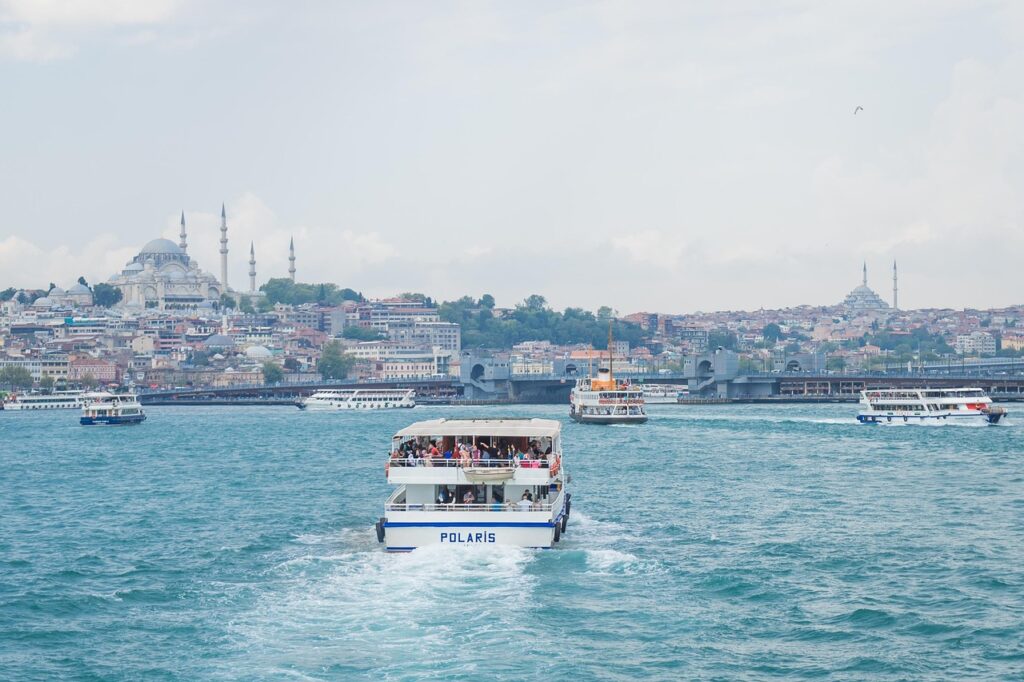






Introduction — From Byzantium to the Ottoman Empire: Istanbul in Monuments
Istanbul is a city that links continents, eras and cultures. Through its monuments it unfolds a visual timeline running from Byzantium to the Ottoman Empire, with the modern changes that reshaped its urban fabric along the way. This guide offers a thorough, professional dive into Istanbul’s major sites, focusing on history, practical visitor information and local tips to get the most out of each place. The aim isn’t just to list names, but to recreate the sensory experience — colors, materials, sounds — that turns a visit into a living understanding of history.
From the city’s basilica-mosque-museum, Hagia Sophia (Aya Sofya), to the Ottoman palaces that mirror themselves on the Bosphorus, each monument is a chapter in a story over a millennium old. In this guide you’ll find exact addresses, ticket prices in euros for standard and combined entries, up-to-date opening times (subject to seasonal or religious changes), immersive descriptions of the spaces and architectural elements not to miss, and practical tips — how to avoid queues, the best time of day to go, whether to request an audio guide or private tour, and how to behave in places of worship.
We also include visual cues to help prepare your camera and walking routes. The images shown as 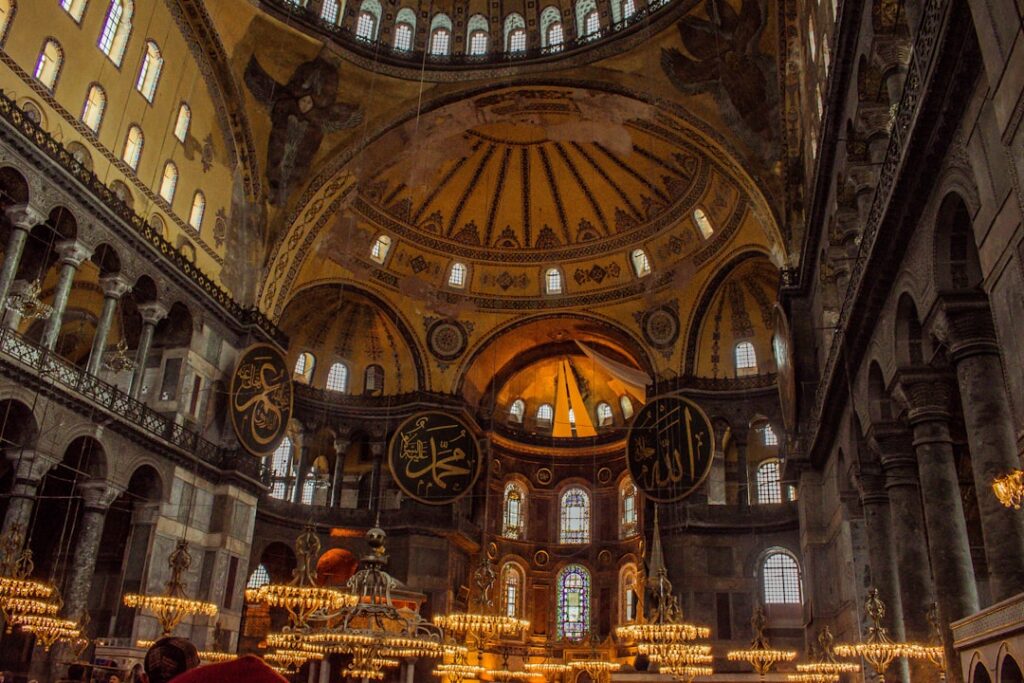 are visual suggestions (landscapes, architectural details) that faithfully represent the atmospheres to expect on site (interior domes, Byzantine mosaics, Ottoman palace courtyards, panoramic views from Galata Tower, etc.). Finally, this guide covers not only the central monuments of Sultanahmet but also less-obvious narrative sites — the whispering underground cistern, Ottoman baths, defensive fortresses that tell the story of Bosphorus control — to provide a complete visual timeline useful to any discerning traveler.
Before we dive in, a few practical tips: get an Istanbulkart (rechargeable transport card) to save time and reduce costs, favor the low season (October–November, March–April) for fewer crowds, respect prayer times in mosques (some areas may be closed), and remember many sites offer discounts for students and seniors with ID. Prices listed below are in euros (€) and reflect average rates for a standard, non-discounted ticket; allow for exchange fluctuations or pricing updates.
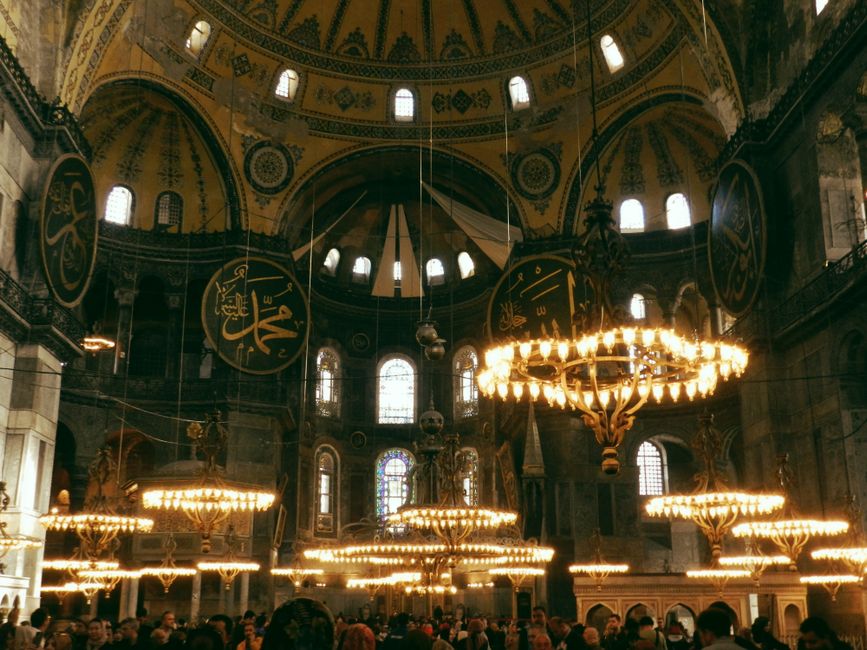
1) The Byzantine Heart: Hagia Sophia, Saint Sophia and Imperial Memory (Aya Sofya)
Hagia Sophia, Turkish Aya Sofya (Ayasofya), is the natural starting point for Istanbul’s Byzantine timeline. Originally built in 537 under Emperor Justinian, it was the largest cathedral of the medieval Christian world before becoming a mosque in 1453, then a museum from 1935 — and more recently returned to mosque status. Despite these changes, its heritage value and visual impact remain unchanged.
Exact address: Ayasofya Meydanı, Sultanahmet, Fatih, 34122 İstanbul, Turkey. For the visitor, the experience is primarily sensory: your gaze is drawn up to the central dome (about 31 m in diameter), Byzantine mosaics with imperial gazes, traces of Christian decoration interwoven with Arabic inscriptions. Mosaic restorations and successive conservation campaigns offer a visual puzzle where historical layers are clearly readable.
Opening hours: in practice, Hagia Sophia is often accessible to visitors outside prayer times; hours vary with the religious calendar. Generally, tourist visits take place between 09:00 and 19:00 (season-dependent). Price: access to the mosque is free (donations welcome), though many paid guided tours and audio guides are offered. Typical French-language guided tour: €15–30 per person; audio guide: around €5–8.
Practical tips: arrive at opening to dodge the crowds, choose a guided tour to decode the mosaics (their subjects and restorations), and bring a covering garment if you visit during prayer times. Photography: allowed, no flash. Don’t miss: the archangel Michael mosaic, the Virgin Orans (Deësis) and the Ottoman-era carved wooden panels bearing inscriptions.
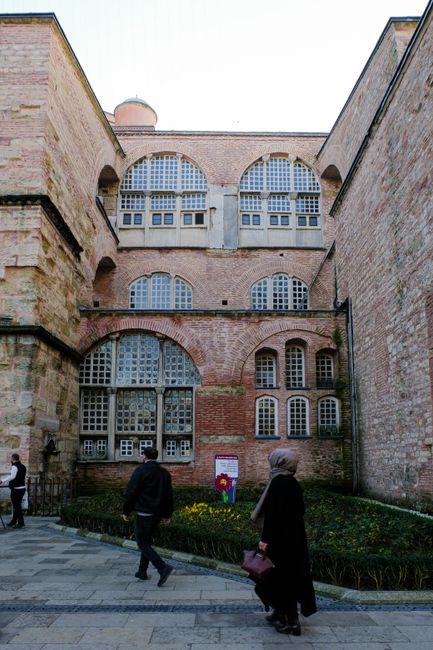
2) The Ottoman Imprint: Topkapi, Ottoman Hagia Sophia and the Bosphorus Palaces
After the conquest of Constantinople in 1453, Ottoman sultans left a strong imprint on the city. Topkapi Sarayi (Topkapi Palace) is the main palace-museum illustrating the classical Ottoman imperial period. Built from 1459, it served as the sultans’ administrative and residential center until the 18th century, before the move to Dolmabahçe.
Exact address: Cankurtaran, 34122 Fatih/İstanbul, Türkiye. Main entrance: Topkapi Palace Museum, Palace Road. Opening hours: generally 09:00–18:00 (some departments closed on Tuesdays; check seasonal calendar). Price: standard ticket around €15–20; Harem (additional section): extra €6–10; combined tickets with the manuscript museum or other departments can reach €25–30.
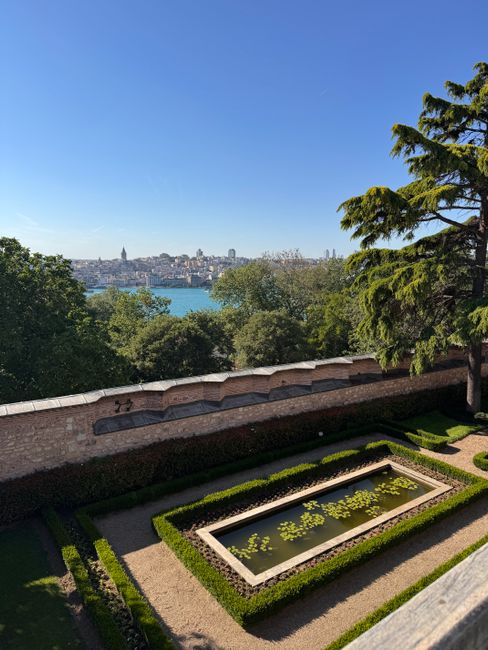
Topkapi’s visit unfolds through successive courtyards: the Imperial Council Hall (Divan), the private Harem apartments and the treasury (housing sacred relics, the Prophet’s garments and imperial jewels). The gardens offer panoramic views of the Bosphorus and the Golden Horn. The architecture surprises with its woodwork, polychrome marbles and stuccoes: Ottoman power expressed in meticulous detail rather than towering heights.
Dolmabahçe Palace (Vişnezade, Dolmabahçe Cd., 34357 Beşiktaş/İstanbul) represents the 19th-century Westernizing turn. Opening hours: 09:00–16:00, closed Mondays and Thursdays (variable). Price: standard ticket €12–18 depending on sections (Harem extra). The opulence of the European-style salons, the grand crystal staircase and the chandeliers (including the famous 4.5-ton chandelier donated by Queen Victoria) testify to a desire to match European courts.
Local tips: for Topkapi, buy the Harem ticket if you want insight into the sultans’ private life; prefer a guided tour for the treasury. For Dolmabahçe, mornings are less crowded; always check closure days. Topkapi’s gardens at sunset give photographers exceptional golden light.
3) Underground spaces, markets and fortifications: the urban fabric from Byzantium to the Ottoman Empire
Beyond the grand monuments, Istanbul’s timeline is also written in its infrastructure and public spaces: underground cisterns, bazaars, baths and fortresses. These places reveal how the city managed water, commerce and defense through the centuries.
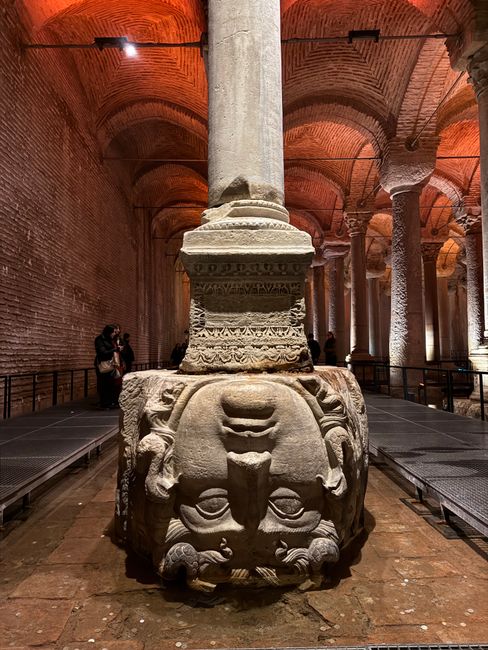
The Basilica Cistern (Yerebatan Sarnıcı) is a Byzantine must-see. Exact address: Alemdar, Yerebatan Cd. 1/3, 34110 Fatih/İstanbul. Opening hours: generally 09:00–18:30 (seasonal variations). Price: around €5–10 entry. Entering the cistern means stepping into a cool, humid atmosphere marked by the sound of dripping water and a play of light on ancient columns — some even rest on inverted Medusa heads. Tips: bring a light sweater; the remarkable acoustics make evening visits or concerts memorable.
The markets — Grand Bazaar (Kapalıçarşı) and Spice Bazaar (Mısır Çarşısı) — embody commercial continuity. Grand Bazaar exact address: Beyazıt, Kalpakçılar Cd. No:22, 34126 Fatih/İstanbul. Opening hours: 09:00–19:00, some shops closed on Sundays; free entry. Spice Bazaar exact address: Rüstem Paşa, Erzak Ambari Sk., 34116 Fatih/İstanbul. Opening hours: 08:30–19:00. These markets are living exchange hubs: spices, textiles, jewelry, carpets. Bargaining: standard practice — start by offering 30–50% of the listed price and stay polite.
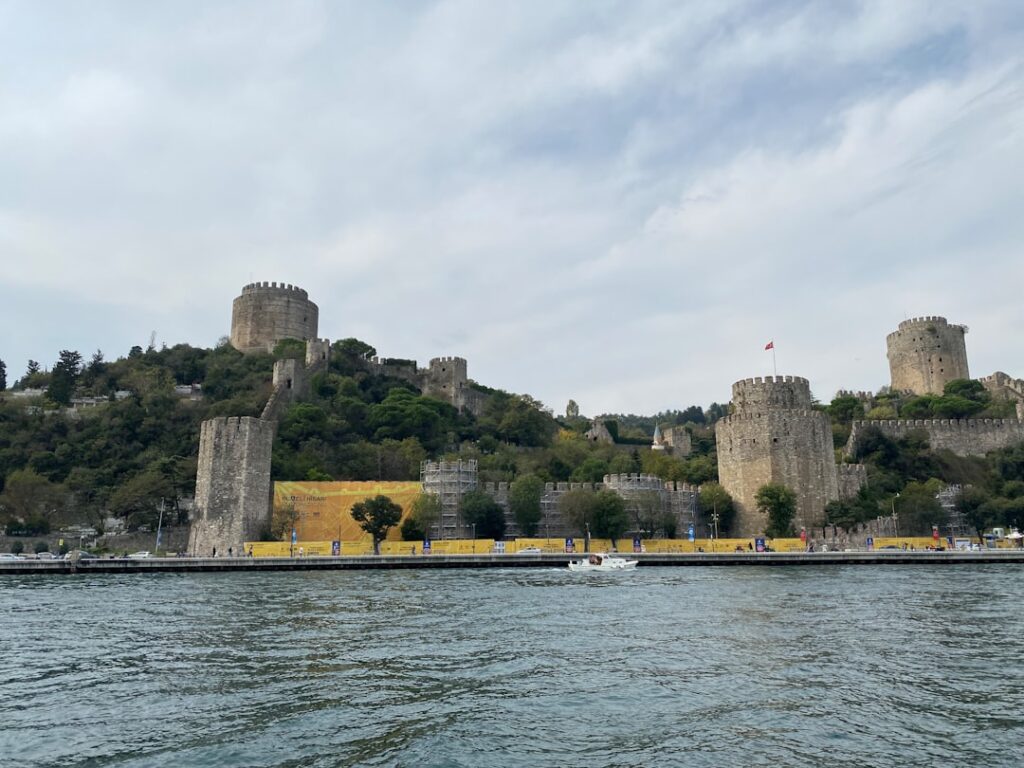
Fortresses: Rumeli Hisarı (Rumeli Fortress) on the European shore of the Bosphorus illustrates Ottoman military dominance before 1453. Exact address: Sarıyer, Rumeli Hisarı, 34470 Sarıyer/İstanbul. Opening hours: 09:00–17:00 depending on season. Price: entry often free or minimal (€0–5). Highlights: ramparts, towers and the Bosphorus panorama — a perfect spot to understand the military strategy that cut off access to Constantinople.
Practical tips: combine the Basilica Cistern and the Grand Bazaar in a half-day around Sultanahmet. Bazaars are very busy; avoid midday heat in summer and favor morning or twilight visits. For Rumeli Hisarı wear walking shoes and sun protection. Buses and ferries are efficient to link these points: the ferry between Eminönü and Beşiktaş is both practical and scenic.
4) Towers, mosques and lesser-known spots: Galata, Süleymaniye and Chora
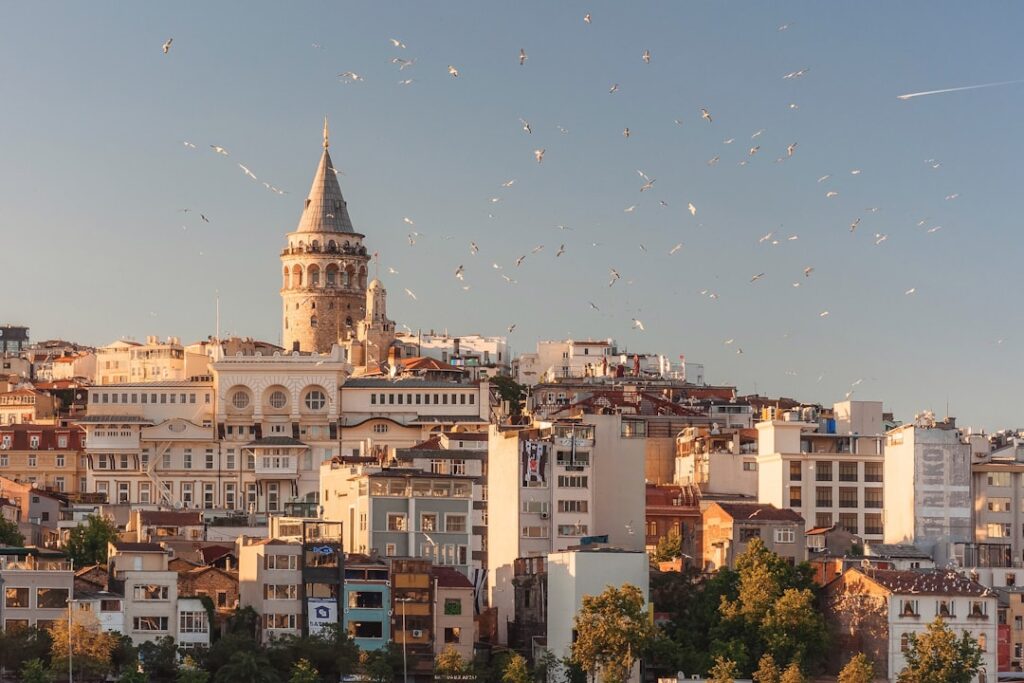
To complete the visual timeline, cross the Golden Horn and climb the hills of Beyoğlu. Galata Tower (Galata Kulesi), built in the 14th century by the Genoese, provides a 360° panorama over the old city and the Bosphorus. Exact address: Bereketzade, Galata Kulesi, 34421 Beyoğlu/İstanbul. Opening hours: 09:00–20:00 (variable). Price: around €6–10 for access to the observation terrace. Photo tip: arrive at sunrise for soft light and almost no one around.
Süleymaniye Camii (Süleymaniye Mosque) is a perfect synthesis of classical Ottoman architecture, built by Mimar Sinan for Sultan Süleyman the Magnificent. Exact address: Süleymaniye Mah., Prof. Sıddık Sami Onar Cd., 34116 Fatih/İstanbul. Opening hours: accessible to visitors outside prayer times; generally 08:00–17:00. Price: free entry (donation suggested). The courtyard, prayer hall, tombs and gardens offer a complementary view to the palaces: grand simplicity, proportion and light.
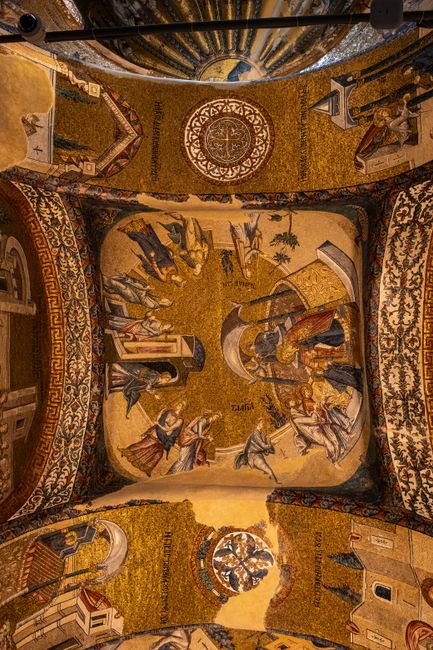
The Chora Museum (Kariye Church / Kariye Müzesi) houses exceptionally fine Byzantine mosaics and frescoes, representing the last phase of Byzantine art before the fall of Constantinople. Exact address: Dervişali, Kariye Camii Sk. No:28, 34087 Fatih/İstanbul. Opening hours: generally 09:00–17:30 (variable). Price: €8–12 entry. Inside, scenes from the life of Christ and the Virgin are rendered with narrative intensity and gilding that rival Hagia Sophia on a more intimate scale.
Local tips: combine Süleymaniye, Chora and the Eyüp neighborhood for a less-touristy day that’s evocative of local life. Check prayer schedules (available online) to visit mosques outside closure times. For Galata, you can avoid the climb by having coffee in one of the many multi-story bars and restaurants whose terraces offer similar views, often at lower cost.
Conclusion — How to read Istanbul and extend your visit
Istanbul reads like a large architectural book where every monument is a page and every alley a footnote. The visual timeline we’ve followed — from Byzantium’s vast sacred spaces to Ottoman palaces and fortresses, through merchant networks and cisterns — shows that the city is not frozen: it layers and reinterprets signs of the past. For the traveler, a successful visit hinges on combining major sites (Hagia Sophia, Topkapi, Dolmabahçe) with stops at lesser-known places (Chora, Rumeli Hisarı, historic baths) and embracing a variety of scales.
On a practical level, a few recap recommendations: book skip-the-line tickets for Topkapi and Dolmabahçe in high season; buy or top up an Istanbulkart on arrival to optimize transport (initial cost varies, journeys from about €0.50–1.00 depending on distance); respect dress codes and prayer times in mosques; favor walking in Sultanahmet and nearby quarters to sense historical layering; and if you want to dig deeper, hire a licensed local guide — €100–200 for a full day depending on language and specialization — to get contextual storytelling.
Finally, leave room for the unexpected: a palace courtyard hosting a student music group, a spice seller offering a tasting, the reflection of a dome in a café window. These details make up the true visual timeline of Istanbul: not only the buildings but the ways people inhabit and reimagine these spaces. Keep in mind that the prices and hours in this guide are common references; check official sites before visiting for availability, exceptional closures and religious events that may affect access.
Safe travels through Byzantium and the Ottoman Empire — may your journey bring as much wonder as historical insight.