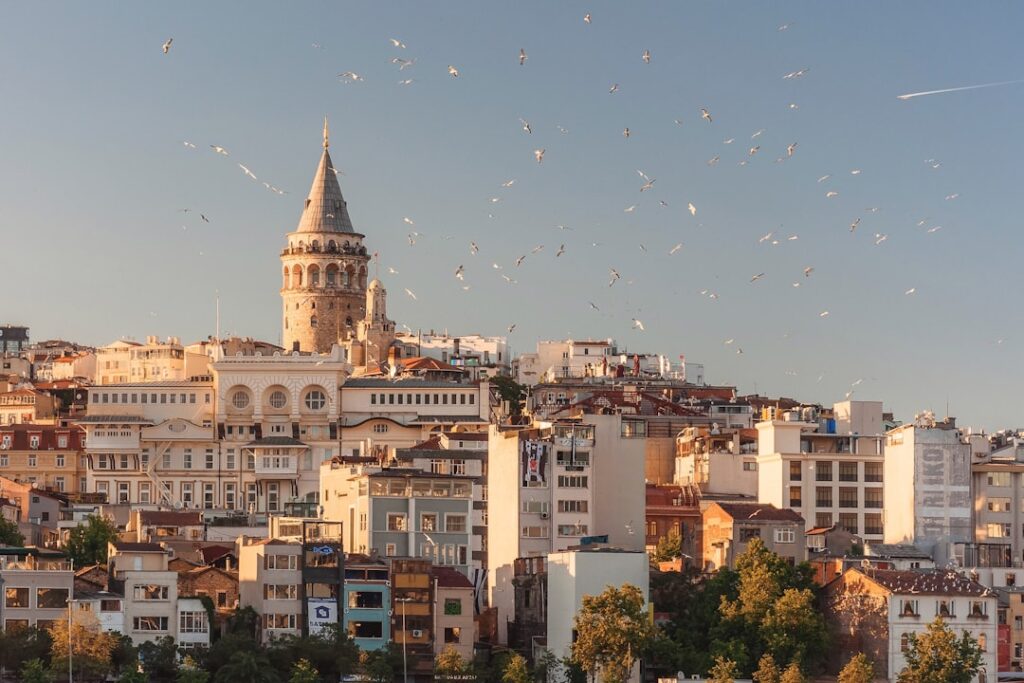






Introduction — Best Time to Visit Istanbul: A Month-by-Month Seasonal Guide
Istanbul reads like a long, layered novel: Byzantine and Ottoman strata, sprawling bazaars, contemporary art, neighborhood cafés and Bosphorus shores that change mood with the seasons. Choosing when to go to Istanbul will shape your trip — the weather, crowds, cultural events, opening hours and even accommodation prices. This month-by-month seasonal guide is designed to give you a practical, immersive roadmap to plan your visit — whether you’re chasing the golden spring light to photograph the Blue Mosque (Sultan Ahmet Camii) or seeking winter calm inside museums like Topkapı Palace.
Throughout this guide you’ll find detailed recommendations for each pair of months, landmark highlights to visit, exact addresses, opening hours and price ranges in euros, plus local tips to make the most of your stay. Sections focus on climatic and cultural specifics: for example, how to enjoy a Bosphorus cruise from the Eminönü docks in April, or how to get around during Ramadan and national holidays. We also include practical info such as:
- Exact addresses: so you can drop a pin in your maps app without wasting time.
- Opening hours: museums, palaces, bazaars, mosques and monuments.
- Prices in euros: estimated ticket costs, guided tours and transport to help you budget.
- Local tips: off-season availability, best times to avoid crowds, mosque etiquette and where to find the best simit or çay.
We use visual markers 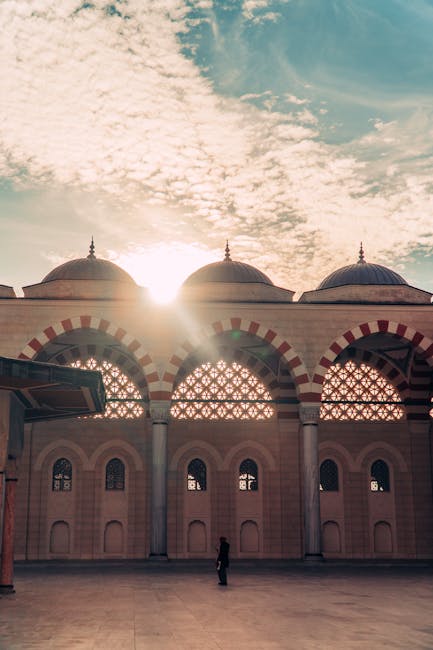 to flag the most photogenic spots and help you picture each experience. These suggested images were chosen to reflect the real visual character of the place and moment — sunrise over the Blue Mosque, Grand Bazaar alleys at dusk, a Bosphorus terrace, and more.
Keep in mind that prices and opening hours can shift slightly depending on season, public holidays and administrative decisions. Prices listed here are in euros (€) and are estimates current at the time of writing. For museum tickets, book ahead during high season (May–Sept) and check for exceptional closures. Now, let’s dive month by month for a practical, sensory plan of your Istanbul stay.
January – February: Winter in Istanbul, quiet monuments and misty moods
January and February are the quietest tourist months in Istanbul. Temperatures typically range between 3 and 10 °C, with rain and occasional snow — creating very photogenic scenes around the historic monuments. It’s an excellent time to explore museums and palaces without the crowds. For example:
- Topkapı Palace Museum (Topkapı Sarayı Müzesi) — Address: Cankurtaran, 34122 Fatih/İstanbul. Opening hours: usually 09:00–18:00 (April–October) and 09:00–16:45 (November–March); closed on some public holidays. Price: entrance ticket about €15 for the palace, Harem supplement ~€7 (paid on site). Tip: visit the Harem in the morning to avoid tour groups.
- Hagia Sophia (Ayasofya Camii) — Address: Ayasofya Meydanı, Sultanahmet, 34122 Fatih/İstanbul. Access: as a functioning mosque, main entry is free but some areas may be restricted during prayers. Opening hours: open daily; check prayer times. Tip: arrive before 09:00 to enjoy the mosaics without the crowds.
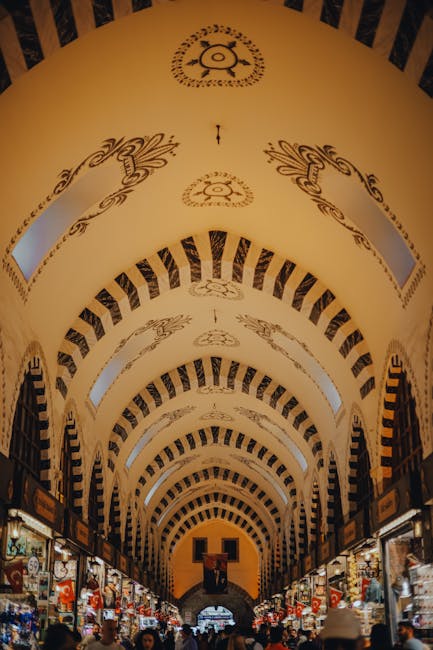
Winter is also ideal for visiting the Grand Bazaar (Kapalıçarşı) when the aisles are less crowded. Grand Bazaar — Address: Beyazıt Mh., Kalpakçılar Cd. No:22, 34126 Fatih/İstanbul. Opening hours: 09:00–19:00, closed Sundays and some public holidays. Entry: free. Tip: haggle (expect to haggle) and be mindful of earlier closings around 17:30–18:30 in low season on rainy days.
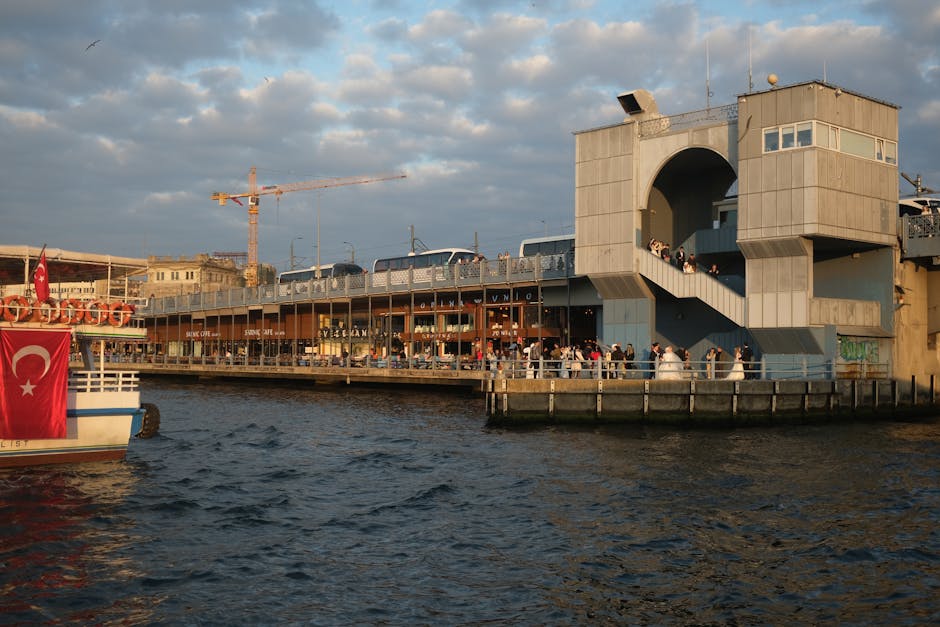
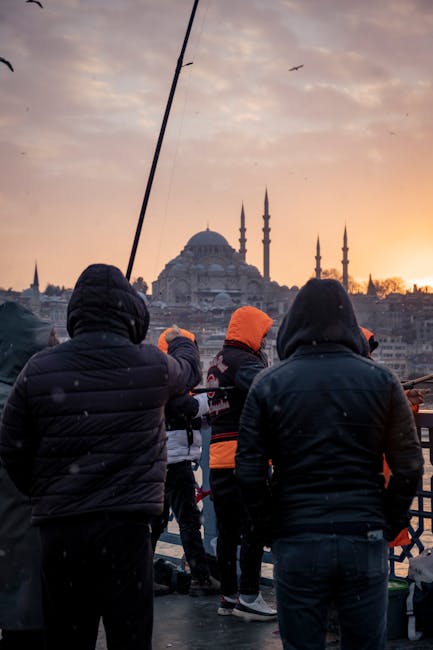
For a local experience, head to one of the many traditional hamams to warm up; well-known places like Çemberlitaş Hamamı (Address: Divanyolu Cd. No:45, 34120 Fatih/İstanbul. Opening hours: 07:00–23:00; price: from €35 for a basic treatment) offer an essential relaxation stop. Cafés and restaurants serve comforting dishes: testi kebabı, mercimek çorbası (lentil soup) and Turkish black tea (çay). Finally, the Bosphorus takes on a melancholic, misty mood that’s perfect for early-morning photos from Galata Bridge or the Eminönü quays.
March – April: Early spring, tulips and soft light for photography
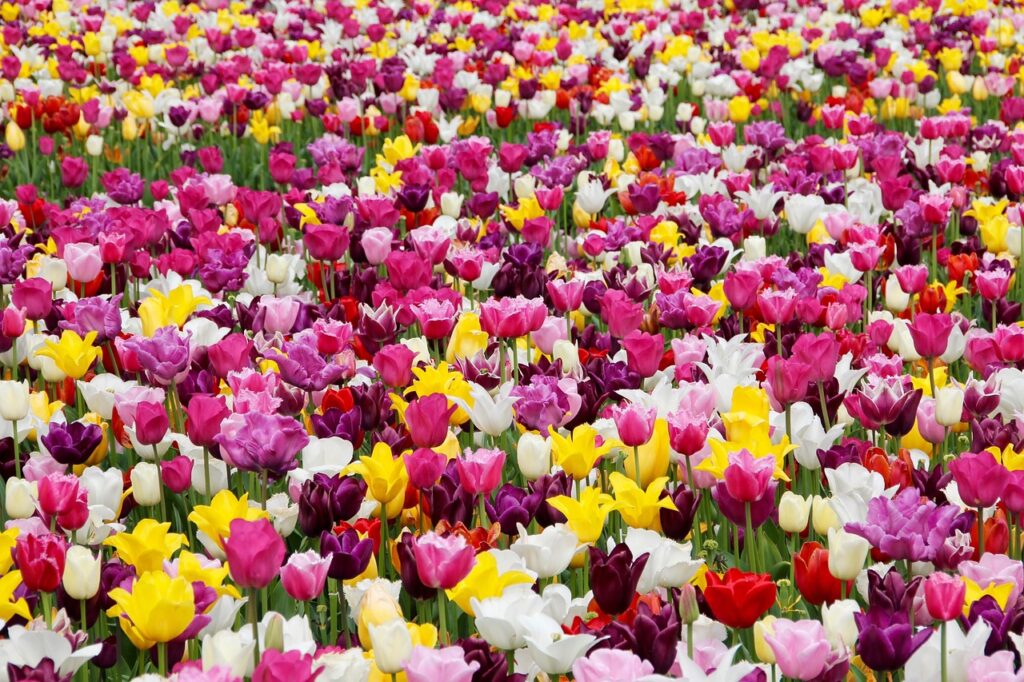
Spring starts to arrive in March and blossoms in April. Istanbul’s gardens and parks fill with tulips — the city celebrates the Istanbul Tulip Festival each year in late March to early April. It’s one of the best periods for photography and to enjoy lengthening days. Temperatures climb between 10 and 18 °C, making walks pleasant.
Highlights and practical tips:
- Gülhane Park (Gülhane Parkı) — Address: Cankurtaran, 34122 Fatih/İstanbul. Hours: external access 24/7, but gardens and kiosks have variable hours. Entry: free. Tip: come early morning for photos of tulip beds without the crowds.
- Bosphorus strolls from Eminönü — Docks at Eminönü (Eminönü İskelesi, Rüstem Paşa Mah., 34116 Fatih/İstanbul). Price: public ferries for a single intra-city trip ~€0.50–1.50 (depending on route and Istanbulkart); tourist cruises of 1–2 hours ~€15–25. Hours: ferries start as early as 06:00 and run late depending on the line. Tip: choose a local ferry for an authentic crossing instead of a commercial cruise if you’re on a budget.
- Dolmabahçe Palace (Dolmabahçe Sarayı) — Address: Vişnezade, 34357 Beşiktaş/İstanbul. Hours: usually 09:00–16:00; closed some Mondays/Tuesdays. Price: entrance ticket around €12–18. Tip: book online to skip the spring queues.
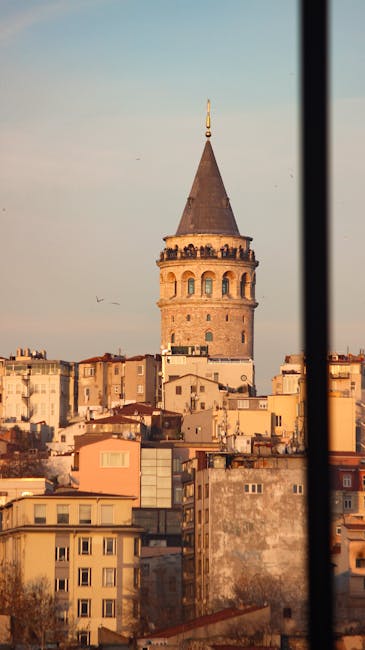
April is also a great time to explore neighborhoods like Karaköy and Galata (Bereketzade, Galata Kulesi, Beyoğlu), where the weather allows a climb up the Galata Tower (Galata Kulesi) for panoramic views. Address: Bereketzade, Galata Kulesi, 34421 Beyoğlu/İstanbul. Hours: 09:00–20:00. Price: around €6–8. Tip: go up just before sunset to capture soft light on the city while avoiding peak times.
May – June: Gentle high season, festivals and long days
May and June mark the start of high tourist season. Temperatures are pleasant, from 18 to 28 °C, with long days and lots of cultural events. It’s the best time to combine city sightseeing with Bosphorus boat trips, soak up sunny terraces and attend outdoor concerts.
Must-sees and practical advice:
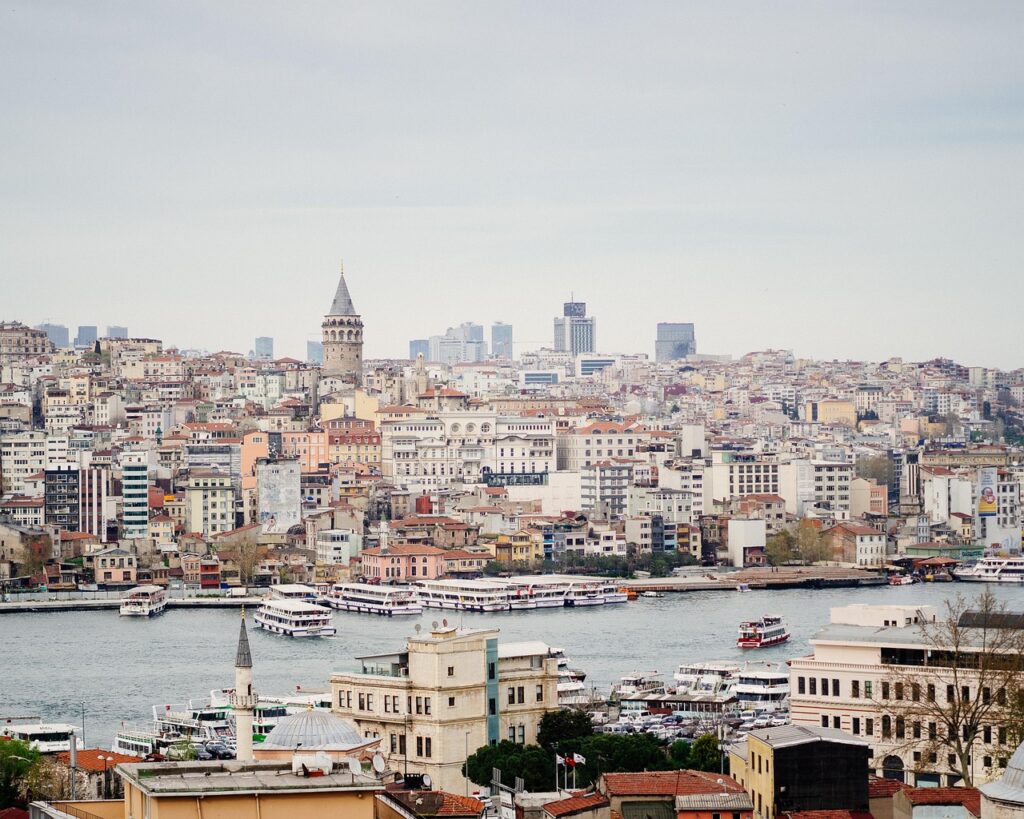
- Bosphorus cruise — Recommended departures from Eminönü (Eminönü İskelesi) or Beşiktaş (Beşiktaş İskelesi). Price: short public cruises ~€3–6; private or dinner cruises ~€30–80. Hours: options in the morning, afternoon and evening. Tip: choose a 2-hour cruise to see the Bosphorus Bridge, Dolmabahçe Palace, Ottoman waterfront mansions and Rumeli Hisarı fortress (Rumeli Hisarı, Kuruçeşme, 34445 Sarıyer/İstanbul).
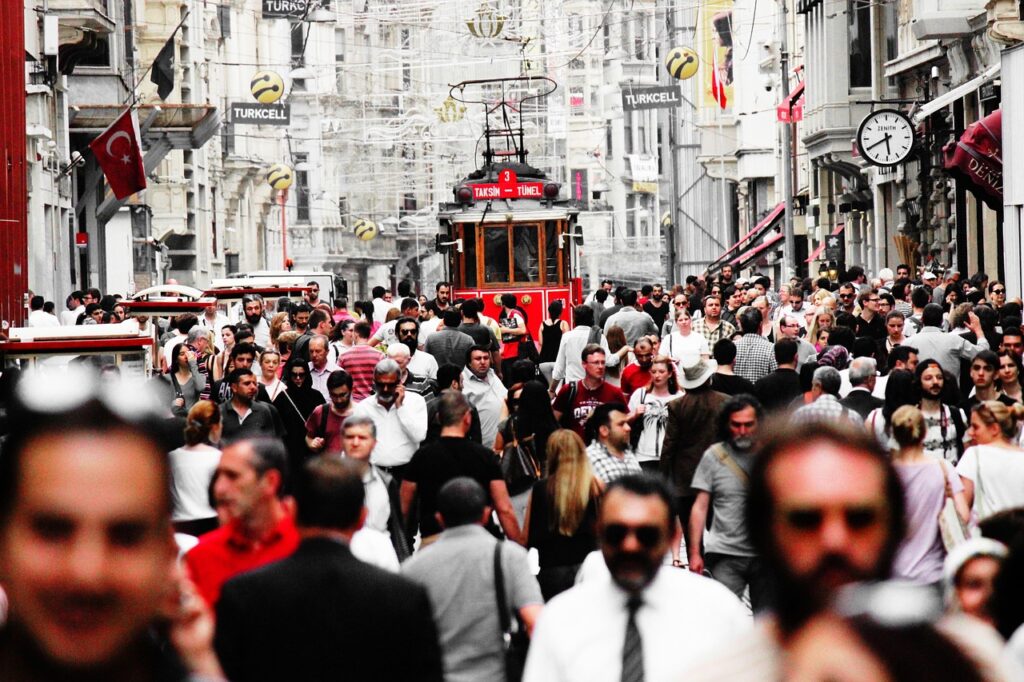
- Taksim Square and Istiklal Avenue (Taksim Meydanı & Istiklal Caddesi) — Address: Taksim Meydanı, Beyoğlu/İstanbul; Istiklal Caddesi runs through Beyoğlu. Hours: shops generally 10:00–22:00; some bars and restaurants open later. Tip: explore the side arcades early morning to avoid crowds and sample local dishes in lokanta (neighborhood eateries).
- Markets and bazaars: Spice Bazaar (Mısır Çarşısı) — Address: Rüstem Paşa Mah., 34116 Fatih/İstanbul. Hours: 08:00–19:00. Entry: free. Tip: buy spices, Turkish delights and tea; compare several stalls for the best prices.
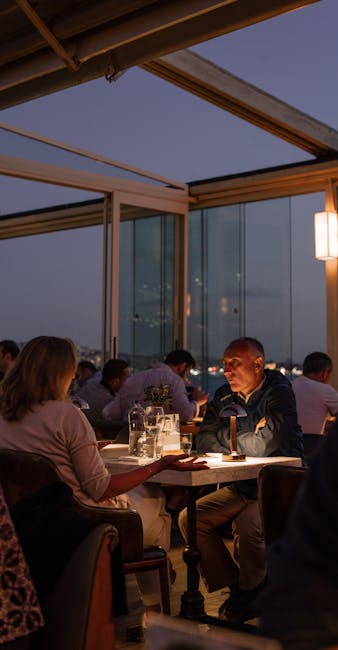
Hotel and tour reservations become essential in May–June. Ticket prices for major attractions (Topkapı, Hagia Sophia for guided tours, capital museums) can creep up. For transport, the Istanbulkart is the most economical way to use trams, ferries and the metro (standard fare in 2026: ~€0.80–1.50 depending on distance). For a local touch, plan at least one evening in a meyhane (Turkish tavern) in Beyoğlu or Kadıköy to enjoy mezzes and fresh fish on the Bosphorus.
July – August: Hot summer, beaches and lively neighborhoods
July and August are the hottest and busiest months in Istanbul. Temperatures can reach 30–35 °C. It’s peak tourist and cultural season: music festivals, rooftop nights and sun-soaked terraces. The Black Sea beaches (e.g., Kilyos) and the Princes’ Islands (Büyükada) become popular escapes for locals and visitors alike.
Practical recommendations:
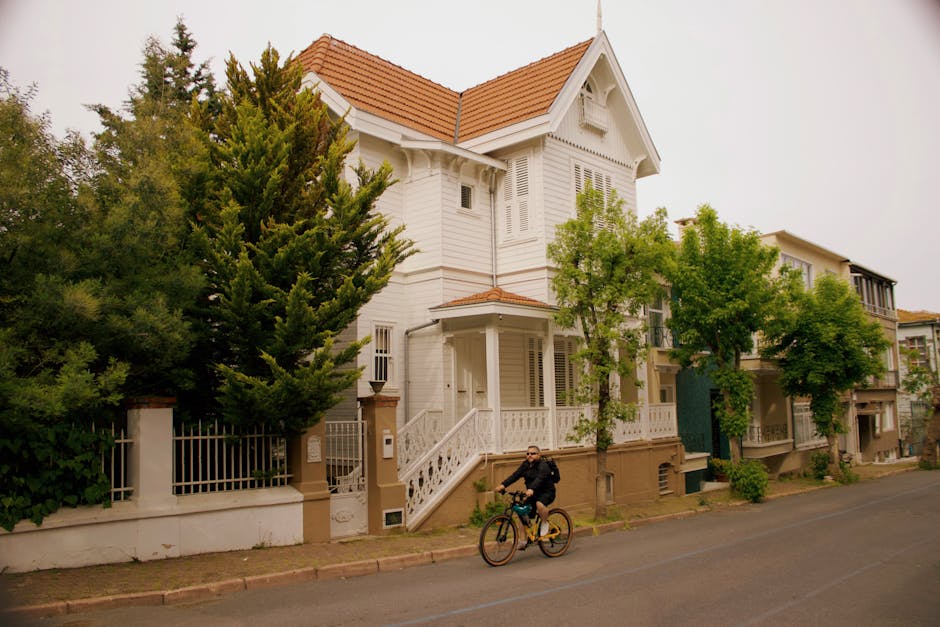
- Princes’ Islands — Büyükada: departures from Kabataş or Bostancı. Price: public round-trip ferry ~€3–8; hours: frequent summer departures from early morning until evening. Tip: rent a bicycle (motor vehicles are banned on Büyükada) and go early to avoid afternoon crowds.
- Kilyos beach — Address: Kilyos, Sarıyer/İstanbul. Access: bus from the city center; price: private beaches charge ~€5–15. Tip: avoid the historic center for swimming; head north to the coastline.
- Evening museum visits: some sites and spots like Pierre Loti Hill (Pierre Loti Hill, Eyüp) offer lovely twilight atmospheres — ideal for a terrace café. Price: Eyüp cable car ~€1–2.
Given the heat and crowds, schedule major visits for the morning (08:30–11:30 for Topkapı, Hagia Sophia and the Blue Mosque) and reserve key restaurants in advance to avoid long waits (popular spots in Karaköy or Sultanahmet). Note that hotel rates spike in July–August; book months ahead if possible.
September – October: Golden autumn, ideal weather and cultural harvest
September and October are often considered the best time to visit Istanbul: summer heat fades, crowds thin, and the weather stays mild (15–25 °C). It’s perfect for mixing cultural visits, city walks and food outings. Literature and music festivals are common, and autumn light makes Bosphorus views especially photogenic.
Suggested visits and practical info:
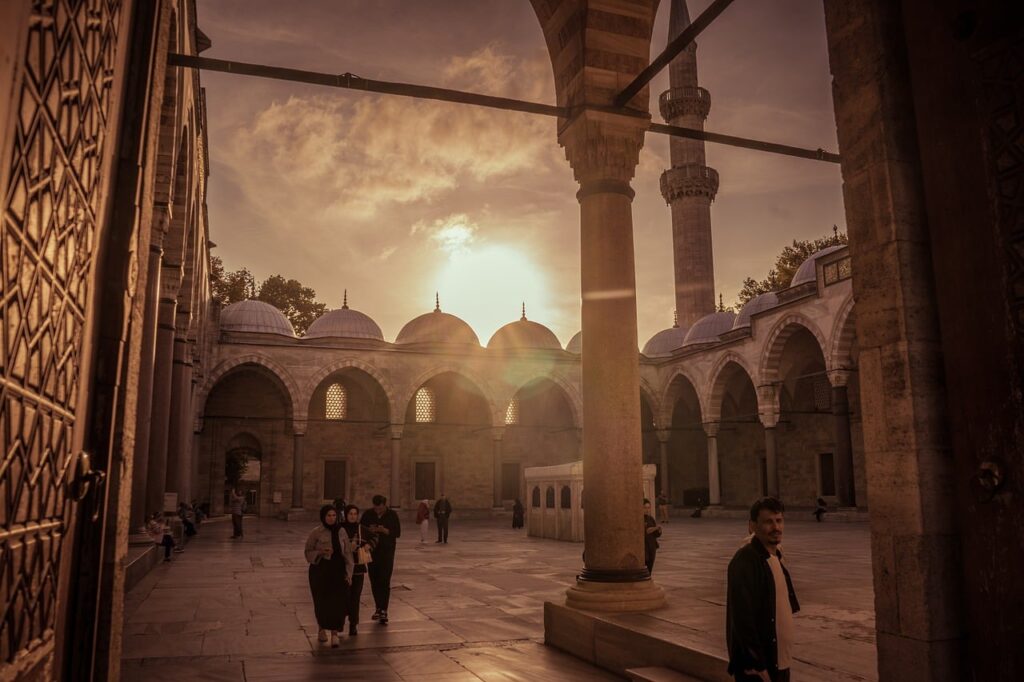
- Süleymaniye Mosque (Süleymaniye Camii) — Address: Süleymaniye Mah., Prof. Sıddık Sami Onar Cd. No:1, 34116 Fatih/İstanbul. Hours: open except during prayer times. Entry: free. Tip: head to the terrace for a stunning Golden Horn view at golden hour.
- Walk around Balat — Balat, 34087 Fatih/İstanbul: colorful streets, independent cafés and antique shops. Hours: shop hours vary. Tip: explore on foot and photograph the colorful facades in the late afternoon.
- Festivals and nightlife: September–October feature concerts at the Atatürk Cultural Center (AKM, Taksim Meydanı) and exhibitions at Istanbul Modern (Meclis-i Mebusan Caddesi, Beyoğlu). Hours: check event schedules. Price: varies by event, concert tickets ~€10–50.
In short, this is the time to enjoy a balanced Istanbul: pleasant weather, fewer lines and authentic local vibes. Ferry and transport fares remain low with the Istanbulkart; for guided tours, pick small-group options for a more personal experience.
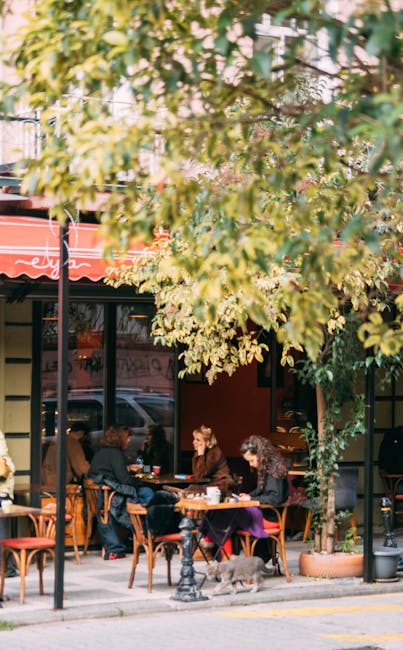
November – December: Late autumn light, year-end markets and cozy atmospheres
November and December bring back a more melancholic but very pleasant atmosphere: cool temperatures (6–15 °C), more frequent rain and festive periods that enliven some neighborhoods. It’s a good time for travelers seeking authenticity and off-season prices, while still enjoying active cultural life with concerts, plays and exhibitions.
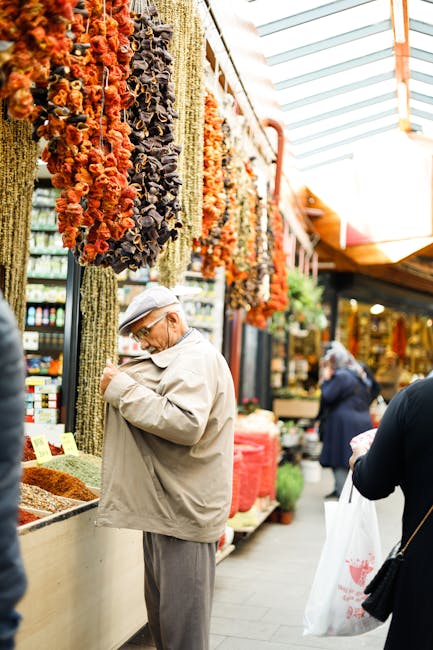
Practical points:
- Christmas markets and craft fairs: some neighborhoods host winter markets; prices vary, handmade souvenirs are negotiable. Tip: buy typical gifts like Iznik ceramics, textiles or loose-leaf tea at the Spice Bazaar.
- Museums to escape the cold: Istanbul Modern — Address: Meclis-i Mebusan Cd. No: 51, 34427 Beyoğlu/İstanbul. Hours: 10:00–18:00; Price: ~€8–15. Tip: combine a museum visit with lunch at a nearby lokanta.
- Meals and hamams: it’s the ideal season for long dinners in a meyhane and a warming hamam experience (e.g., Kılıç Ali Paşa Hamamı — Address: Tersane Cd. No: 28, 34425 Tophane/İstanbul. Hours: 07:00–22:00; price: from €40 for a full package).
Finally, November–December create great photo opportunities: rain-slick streets, holiday lights and cafés where you can sip hot Turkish coffee. It’s also a period when booking accommodation is easy and often cheaper. For travelers balancing budget and immersion, this is an excellent time to visit Istanbul.
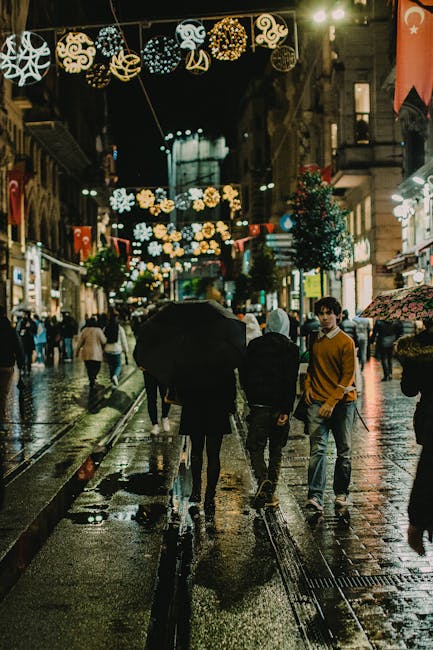
Conclusion — Summary and final tips to choose the best time
Choosing when to visit Istanbul depends on your priorities: heat and lively atmosphere in July–August, blooms and soft light in April–May, cultural quiet in January–February, or ideal autumn weather in September–October. The seasonal information above will help you plan itineraries tailored to your interests — museums and monuments, Bosphorus walks, markets, island trips and culinary experiences.
Practical recap:
- Recommended high season: May–June and September–October — pleasant weather, lots to do and great light for photos.
- Quiet, budget season: January–February — fewer museum crowds and lower accommodation prices, but colder weather and a chance of rain/snow.
- Summer (July–August): perfect for swimming and the islands, but expect crowds and high hotel rates.
- Mobility tip: get an Istanbulkart on arrival; tram/metro/ferry fares are cheap (~€0.80–1.50 depending on trip, rechargeable cards).
- Reservations: for Topkapı Palace (Cankurtaran, 34122 Fatih) and Dolmabahçe Palace (Vişnezade, 34357 Beşiktaş), book online in high season; indicative prices: Topkapı ~€15, Harem ~€7, Dolmabahçe ~€12–18.
Final local tips:
- Always carry a small scarf when visiting mosques to cover your head/shoulders if needed. Shoes must be removed at the entrance of some mosques.
- For cheap, authentic eats, look for lokanta in residential neighborhoods (Balat, Kadıköy) and try simit (circular bread), börek and çay for just a few euros.
- Use ferries for a more economical, authentic Bosphorus experience; for best photos, stand on the upper deck on the starboard (right) side when heading north.
- Haggling is common at the Grand Bazaar (Kapalıçarşı, Beyazıt) but should be respectful; start by offering 30–50% below the listed price and adjust depending on the item’s condition.
Ultimately, Istanbul can be visited year-round, but the experience you’ll have depends largely on the season you choose. By following this month-by-month guide, checking times and prices before you go and adopting a few local habits (Istanbulkart, reservations, respect for prayer times), you’ll optimize your trip and fully enjoy the city’s historical, cultural and culinary riches. Safe travels and enjoy discovering Istanbul — a city bridging continents, shifting horizons and warm hospitality.