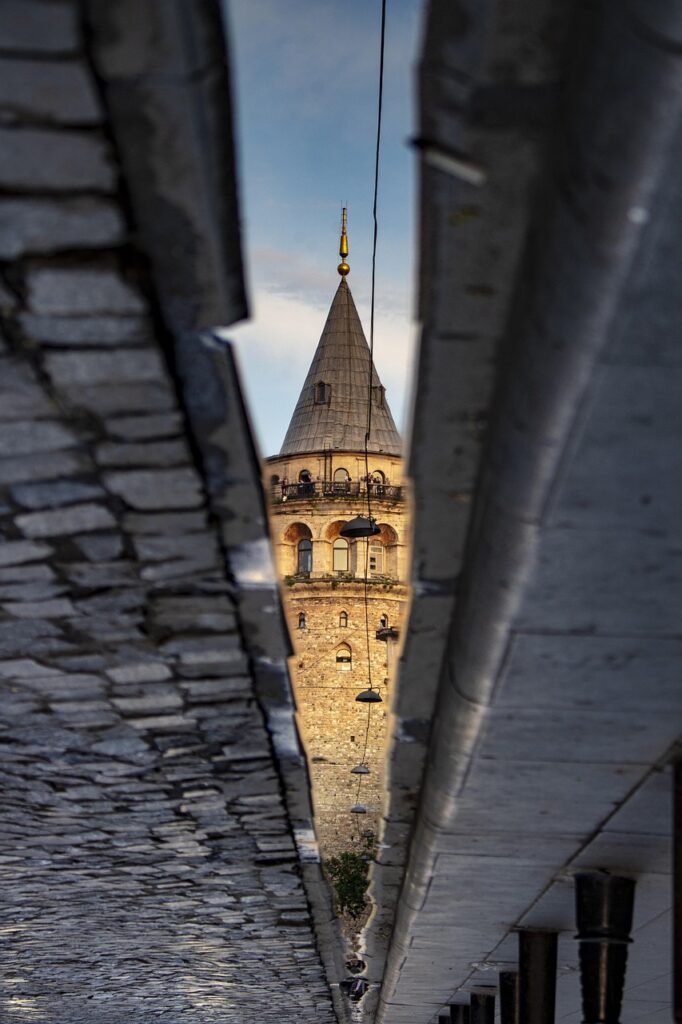






Introduction — Vegan and Gluten-Free Travel in Istanbul: Background and First Tips
Istanbul is a city of contrasts where East meets West, where century-old Ottoman stalls sit next to contemporary cafés. For vegan travelers and those with gluten intolerance, the city can be surprisingly accommodating if you know where to look and how to ask the right questions. This guide maps out the neighborhoods you should know, with names of places, addresses, price ranges, typical opening hours and local tips. You’ll find options for quick bites, grocery shopping, reimagined local specialties and preparing your own meals if you’re staying in an apartment or Airbnb.
Before we dive into neighborhood details, a few practical reminders: in Turkey the concept of “vegan” is spreading quickly but traditional cuisine still often relies on butter (tereyağı), yogurt, or wheat flour in sauces and broths. It’s essential to say “ben veganım” (I’m vegan) and ask “içinde gluten var mı? / gluten içeriyor mu?” (does it contain gluten?) in restaurants. Useful Turkish words: “glutensiz” (gluten-free), “vegan” (pronounced veh-gan), “süt” (milk), “yumurta” (egg). Always carry a printed allergy card in Turkish if your intolerance is severe.
The neighborhoods featured in this guide are where vegan and/or gluten-free options are best developed or easiest to adapt: Kadıköy (Asian side), Beyoğlu and Galata (Taksim, Istiklal), Beşiktaş and Nişantaşı (trendy districts and upscale shopping), Sultanahmet & Eminönü (touristy but workable), plus practical tips on markets, grocery stores and useful apps.
This guide includes: full addresses, prices in euros (realistic estimates for a meal or product), typical opening hours (check for seasonal or holiday changes), immersive descriptions of venues, and local tips (best times to go, dishes to ask for, gluten-free options). Image placeholders are included to help your visual planning and inspire your photo routes. Whether you’re strictly vegan, curious about plant-based food, gluten-intolerant or just aiming to eat healthier in Istanbul, this guide will help you plan meals, avoid mishaps and fully enjoy Istanbul’s flavors and scenery.
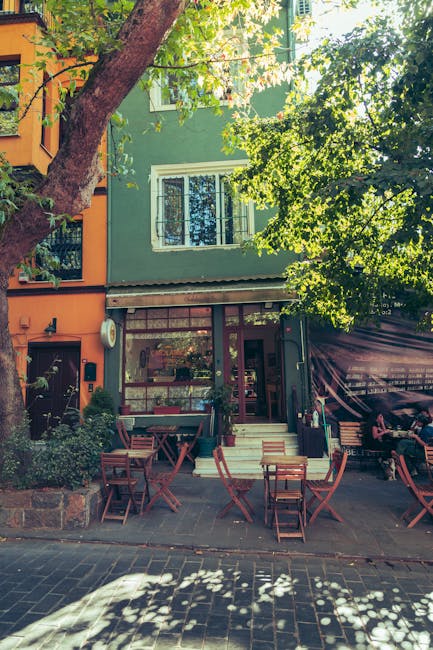
Kadıköy — Asian-Side Paradise for Vegan and Gluten-Free Options
Kadıköy is often called the bohemian and culinary capital of the Asian side. The streets of Moda and Caferağa are full of independent cafés, small artisan bakeries, health food stores and restaurants offering vegan and gluten-free alternatives. The vibe is relaxed: people eat late, tea is served all day, and shopkeepers are used to specific requests.
Places to know:
- Bi Nevi Deli (Moda) — Caferağa Mahallesi, Moda Caddesi No:98, Kadıköy, İstanbul. Hours: daily 09:00–22:00. Prices: dishes €7–14 (salads, bowls, vegan desserts and several labeled gluten-free options). Description: a modern café-restaurant specializing in bowls, smoothies and plant-based pastries; they offer gluten-free alternatives (gluten-free bread, rice pasta) and clear allergen labeling. Local tip: arrive for weekend brunch (11:00–15:00) to try the vegan gluten-free pancakes — they often require a reservation.
- Çiya Sofrası — Caferağa Mahallesi, Güneşlibahçe Sokak No:43, Kadıköy, İstanbul. Hours: Monday–Saturday 11:00–22:00, Sunday closed. Prices: €6–18. Description: an iconic restaurant for Anatolian cuisine; while not entirely vegan, Çiya offers an incredible variety of vegetarian mezzes and vegetable-based dishes. Ask “glutensiz seçenek var mı?” (are there gluten-free options?) for guidance, since many vegetable dishes are naturally gluten-free (dolma often contains rice, so check). Local tip: choose mezzes made from eggplant, chickpeas and grilled peppers.
- Moda Terrace Vegan-Friendly Cafés — Moda Caddesi and nearby streets. Example address: Moda Caddesi No:110, Kadıköy. Hours: 08:00–23:00 depending on the place. Prices: drinks €2–6, small dishes €5–12. Description: a string of small cafés with vegan options and often gluten-free bread in stock or available on request. Local tip: ask about the day’s vegan pastries and check for cross-contamination in preparation.
Markets and grocery stores:
- Macrocenter Kadıköy — Caferağa Mahallesi, Dr. Zeki Zeren Caddesi No:42, Kadıköy. Hours: 09:00–22:00. Prices: gluten-free bread €3–6, plant milks €1.5–4, organic snacks and products at premium prices. Description: an upscale chain with a well-stocked organic section, gluten-free labels and some English labeling. Local tip: look for Turkish gluten-free flour brands to cook with.
- Kapasita Organik (organic store) — Caferağa Mah., Moda Sokak No:12, Kadıköy. Hours: 10:00–20:00. Prices: organic and gluten-free items vary, typically €2–10 for common goods. Tip: staff often speak English and can recommend local alternatives.
Kadıköy is also a great base for vegan cooking classes, fermentation workshops or market tours. The Kadıköy ferry is an added bonus: after a meal, hop across to Karaköy to continue exploring the European side.
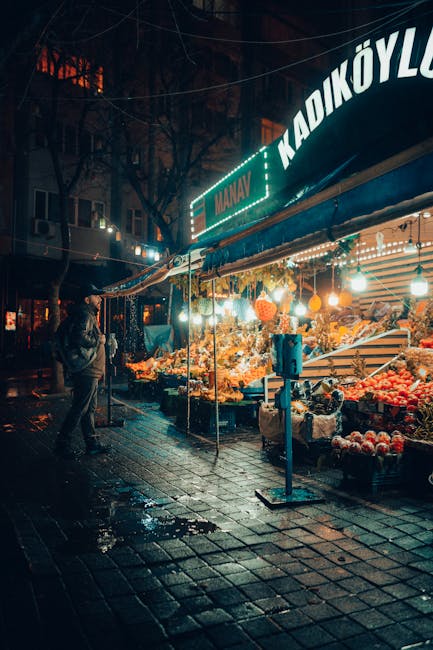
Beyoğlu and Galata — Istiklal, Galata Tower and Creative Cafés
Beyoğlu, with Istiklal Street and the Galata area, blends tourism, street art and a cosmopolitan food scene. You’ll find modern restaurants adapting Turkish classics for vegan and gluten-free diets, as well as specialty cafés and bakeries offering gluten-free goods.
Places to know:
- Community Kitchen / Vegan Options at Medd Restaurant — Representative example: Asmalımescit Mahallesi, Asmalı Mescit Sokak No:23, Beyoğlu. Hours: 10:00–23:00. Prices: starters €6–12, mains €10–20. Description: many restaurants around Asmalımescit and Istiklal Street will prepare vegan dishes on request — think vegetable mezzes, eggplant with tahini and salads: some places label dishes “veg”. Local tip: ask the server “glutensiz yemek yapabilir misiniz?” (can you prepare it gluten-free?) and be specific if you want to avoid wheat flour in sauces.
- Arada Cafe & Bistro (vegan options) — Galata Mahallesi, Çukurcuma Caddesi No:45, Beyoğlu. Hours: 09:00–21:00. Prices: coffees €2–5, breakfasts €6–12. Description: a cozy café-bistro with vegan options and occasional gluten-free snacks depending on the day. Popular for brunch. Local tip: ask about the cakes of the day — there may be a gluten-free version.
- Galata Konak Cafe (views and options) — Bereketzade Mahallesi, Galip Dede Caddesi No:28, Beyoğlu. Hours: 10:00–22:30. Prices: drinks €2–6, dishes €8–16. Description: near Galata Tower, this café offers some vegan items and can adapt salads or rice/quinoa-based dishes to avoid gluten. Local tip: terraces provide great views and photo opportunities; ask about separate cooking if needed.
Where to shop:
- CarrefourSA Taksim — Sıraselviler Cad. No:46, Beyoğlu. Hours: 09:00–23:00. Prices: wide selection, gluten-free bread €3–6, gluten-free pasta €2–5. Description: a large supermarket near Taksim with an organic section and imported goods. Local tip: local gluten-free products are often cheaper than European imports.
Specific tips for Beyoğlu and Galata: avoid Istiklal during peak tourist hours (11:00–16:00 and 18:00–20:00) if you want a quiet table. Many restaurants will accept special requests, but service can be slower in the evening — allow extra time. If you’re after a more formal dining experience, some contemporary Galata restaurants offer tasting menus where the chef can prepare a plant-based, gluten-free menu on reservation (higher prices: €35–70 per person).
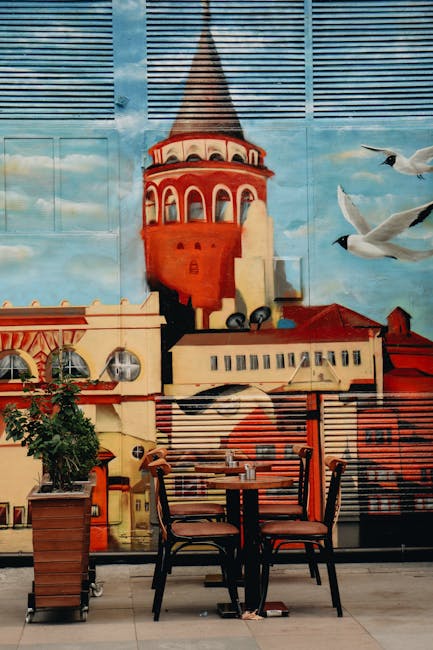
Beşiktaş and Nişantaşı — Chic Shops, Health Cafés and Premium Supermarkets
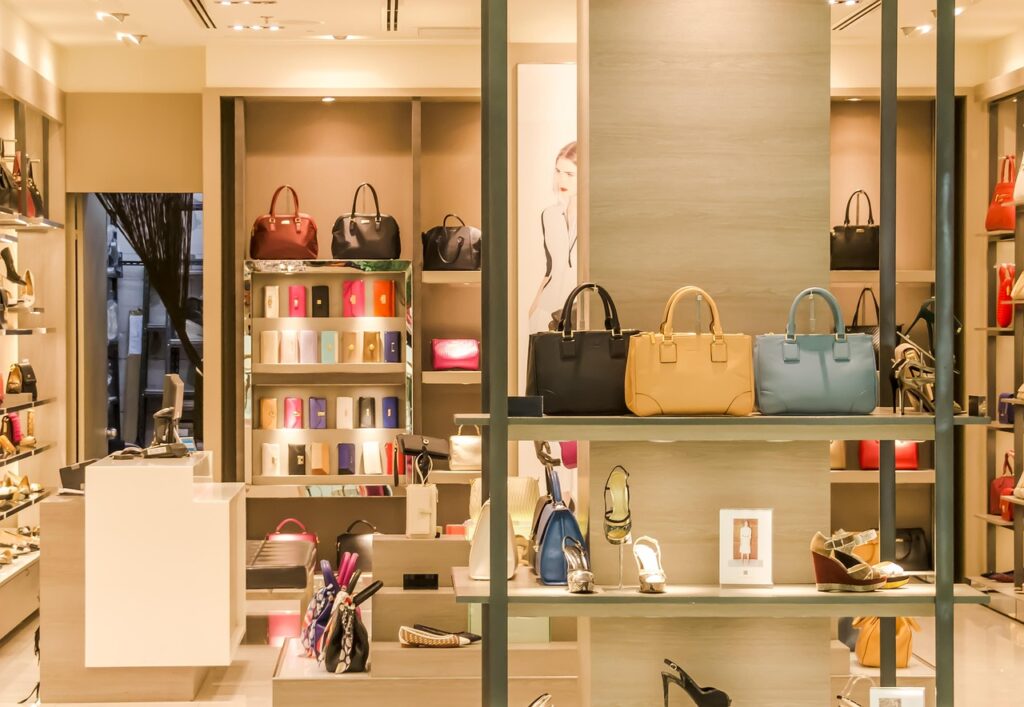
Beşiktaş and Nişantaşı show Istanbul’s more upscale, contemporary side. Nişantaşı is known for high-end boutiques, modern patisseries and health-focused cafés where the vegan and gluten-free demand is well understood. Beşiktaş, youthful and university-centered, offers a dynamic street-food scene that’s often adaptable.
Highlights:
- Macrocenter Nişantaşı — Abdi İpekçi Caddesi No:30, Teşvikiye, Nişantaşı, Şişli, İstanbul. Hours: 09:00–22:00. Prices: gluten-free bread €3–7, organic products and plant milks €1.5–6. Description: an upscale supermarket chain great for finding imports and local gluten-free items. Local tip: stock up on snacks and gluten-free flours to cook in your accommodation.
- Whole Foods / Health Food Cafés (localized examples) — Nişantaşı and Etiler. Example address: Harbiye Mah., Rumeli Cad. No:45, Şişli. Hours: 10:00–20:00. Prices: dishes €6–18. Description: salad bars and health bakeries offering vegan options and gluten-free breads/pastries. Tip: choose full salads and protein bowls; ask whether croutons or dressings contain gluten.
- Vegan-Friendly Bakeries near Teşvikiye — streets around Abdi İpekçi Cd. Hours: 07:30–19:00. Prices: vegan pastries €2–5, gluten-free cakes €4–10. Description: some neighborhood bakeries now offer vegan and gluten-free items, often baked separately. Local tip: favor places displaying a “glutensiz” certificate or an allergen sheet.
Other practical info:
- Transport: Beşiktaş is well-served by ferry and buses; Nişantaşı is accessible by metro and bus. For heavy grocery shopping (flours, canned goods), bring a tote or use delivery services (Getir, Yemeksepeti Market).
- Price ranges: a vegan bowl lunch in Nişantaşı typically costs €8–18; a full breakfast with specialty coffee can reach €12–22. Upscale restaurants charge €25–50 for an à la carte meal.
Local tip: Nişantaşı’s wellness and fitness scene draws cafés that take gluten-free requests seriously. Prepare a short note in Turkish detailing your intolerance and show it to staff to avoid misunderstandings.
Sultanahmet & Eminönü — Tourist Hubs but Doable for Gluten-Free and Vegan Options
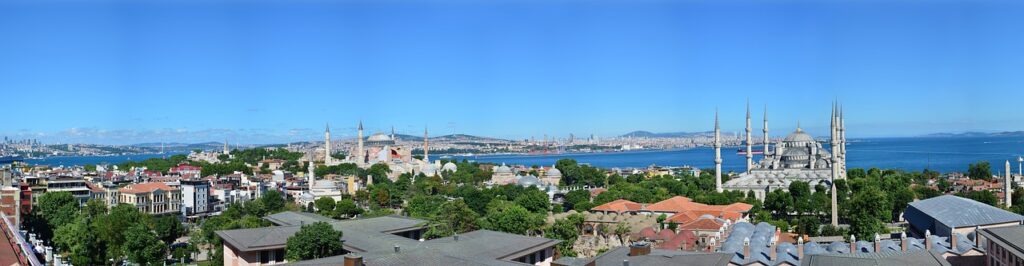
The Sultanahmet–Eminönü triangle is Istanbul’s historic core, home to the Blue Mosque, Hagia Sophia and the Grand Bazaar. This area is very touristy, so it’s less focused on special diets, but you can absolutely find plant-based and gluten-free alternatives if you plan ahead. The main challenge is the ubiquitous flatbreads (pide, lavash) that accompany many dishes — always ask for rice- or vegetable-based options.
Places to know and tips:
- Gülhane Park cafés and nearby restaurants — Gülhane Parkı, Sultanahmet. Hours: parks open all day; cafés 09:00–20:00. Prices: snacks €3–8. Description: cafés around the park can prepare salads, grilled vegetables and rice dishes. Local tip: order “pilav” (rice pilaf) and vegetable mezzes — often gluten-free, but always say “glutensiz” to avoid the default bread accompaniment.
- The Grand Bazaar (Kapalıçarşı) — Beyazıt, Kalpakçılar Caddesi No:22, Fatih, İstanbul. Hours: Monday–Saturday 09:00–19:00, Sunday closed. Prices: buying dried goods (spices, legumes, dried fruits) €1–15 depending on quantity. Description: a historic spot to buy seeds, spices, tea and dried fruits. Many vendors sell rice, bulgur (contains gluten) and legumes that are naturally gluten-free (lentils, chickpeas). Tip: bring resealable bags to keep gluten-free goods separate and ask for labels if you need to check for cross-contamination.
- Eminönü fish market area — vegetarian eateries — Rüstem Paşa, Eminönü. Hours: many stalls 08:00–18:00. Prices: mezzes at small stands €2–8. Description: although famous for fish, some small restaurants serve vegetable mezzes and rice dishes. Tip: avoid anything fried in the same oil as breaded or battered items that contain gluten.
In Sultanahmet, favor restaurants with English menus or those used to international tourists; they are often willing to accommodate special requests. Many 3–5 star hotels can prepare an adapted breakfast if you give 24–48 hours notice (expect a €5–10 supplement for special options).
Practical Tips, Markets, Apps and Useful Vocabulary
Beyond neighborhoods, a handful of practical tips will make your vegan and gluten-free stay in Istanbul much safer and more enjoyable.
Essential Turkish phrases (show these to your server):
- Ben veganım — I am vegan.
- Glutensiz — Gluten-free.
- İçinde un/una/ekmek var mı? — Is there flour/bread in this?
- Çapraz bulaşma — Cross-contamination (important to ask whether pans/utensils are shared).
- Hayvansal ürün yok — No animal products (if you want to be explicit).
Useful apps and services:
- Yemeksepeti / GetirYemek / Trendyol Yemek — local delivery apps, often with filters for “vegan” or “vejetaryen”; handy when you’re tired after a day of sightseeing. Delivery fees: €0.5–3, meals €6–15.
- Getir (grocery delivery) — ultra-fast grocery delivery including gluten-free bread and plant milks. Prices vary by item; small delivery fees €1–3.
- Google Maps and HappyCow — essential for finding vegan restaurants and checking recent reviews. HappyCow specifically lists vegan places and gluten-free options.
Markets to favor:
- Kadıköy Market (Salı Pazarı on certain days) — a local market with fresh fruit and vegetables; buy seasonal produce to cook with. Prices: very affordable, €1–6 depending on the item.
- Beşiktaş Farmer’s Market — a small weekly market with local producers; great for unprocessed items and checking origin. Prices: €1–8.
Culinary tips and food safety:
- To avoid cross-contamination, ask whether dishes are prepared in the same fryer or pan as breaded foods. In Turkish: “ayrı tencere/pası var mı?” (is there a separate pot/utensil?).
- Vegetable mezzes, rice, lentils, beans and salads are generally safe choices if you check that no flour has been added to the sauce. Mercimek çorbası (lentil soup) is often gluten-free, but some versions use flour as a thickener — always verify.
- If you cook: rice flour, chickpea flour (nohut unu) and cornmeal (mısır unu) are easy to find and adapt well to Turkish recipes.
Conclusion — Vegan and Gluten-Free Travel in Istanbul: Leave Knowing You Can Do It
Istanbul isn’t just a city of kebabs and baklava; it’s a major culinary crossroads where demand for vegan and gluten-free options is rapidly growing. By taking a proactive approach — learning a few key phrases, using local apps, and choosing neighborhoods that fit your needs — you’ll turn your trip into a rich and varied food experience. Kadıköy and Nişantaşı are havens for reliable options and organic products, while Beyoğlu and Galata offer a creative scene where chefs adapt to special requests. Sultanahmet and Eminönü take a bit more preparation but are perfectly doable for gluten-free, plant-based meals if you know where to go and what to ask for.
A few final practical ideas: prepare a Turkish allergy card to show in restaurants; use Macrocenter, CarrefourSA and Getir to source specific products; and browse the Grand Bazaar and local markets for dry ingredients (lentils, rice, spices) to cook for yourself if needed. In travel, a smart strategy combines eating out (to discover adapted local flavors), supermarket shopping (for snacks and breakfast) and some self-preparation when you have an apartment.
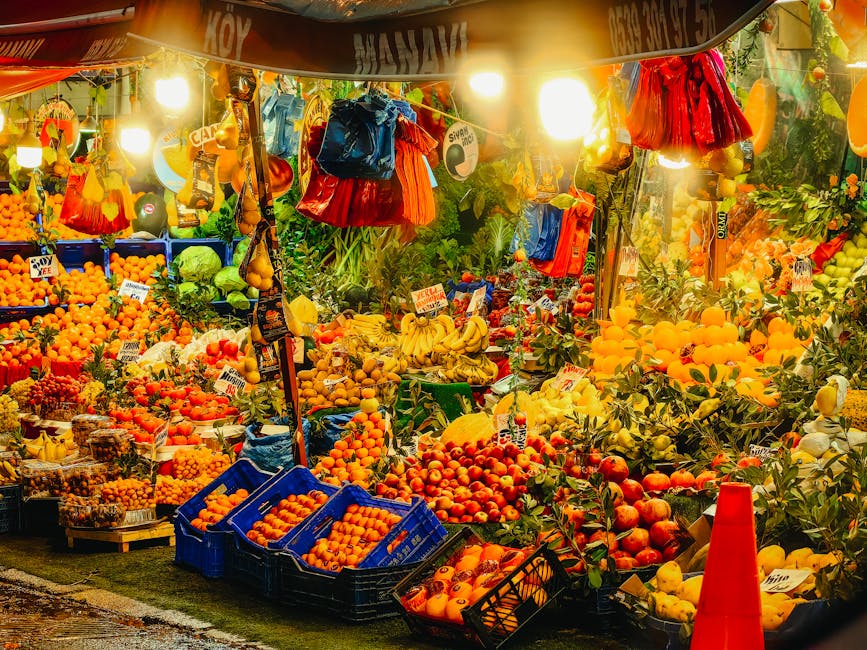
Finally, savor the abundance of local produce: grilled vegetables, eggplant, chickpeas, tahini and dried fruits are staples of the Turkish palette and are often naturally gluten-free. With a little attention, Istanbul becomes a delicious playground for vegans and people with gluten intolerance — a city where history, architecture and gastronomy combine to create an unforgettable travel experience.