





Introduction — Istanbulkart: the essential how-to for getting around Istanbul like a local
Istanbul is a sprawling metropolis split across two continents, full of historic neighborhoods, hills, waterfronts and sometimes labyrinthine traffic routes. If you want to visit the Blue Mosque, the Grand Bazaar, Kadıköy on the Asian side or the Princes’ Islands without wasting time or blowing your budget, mastering the Istanbulkart (often called Istanbul Card) is the key to smooth, stress-free travel. This in-depth guide, written by an urban travel specialist, walks you through using this multi-purpose card day by day: where to buy it, how to top it up, which lines to prioritize, approximate prices in euros, main service hours and local tips to skip queues and make your trips more efficient.
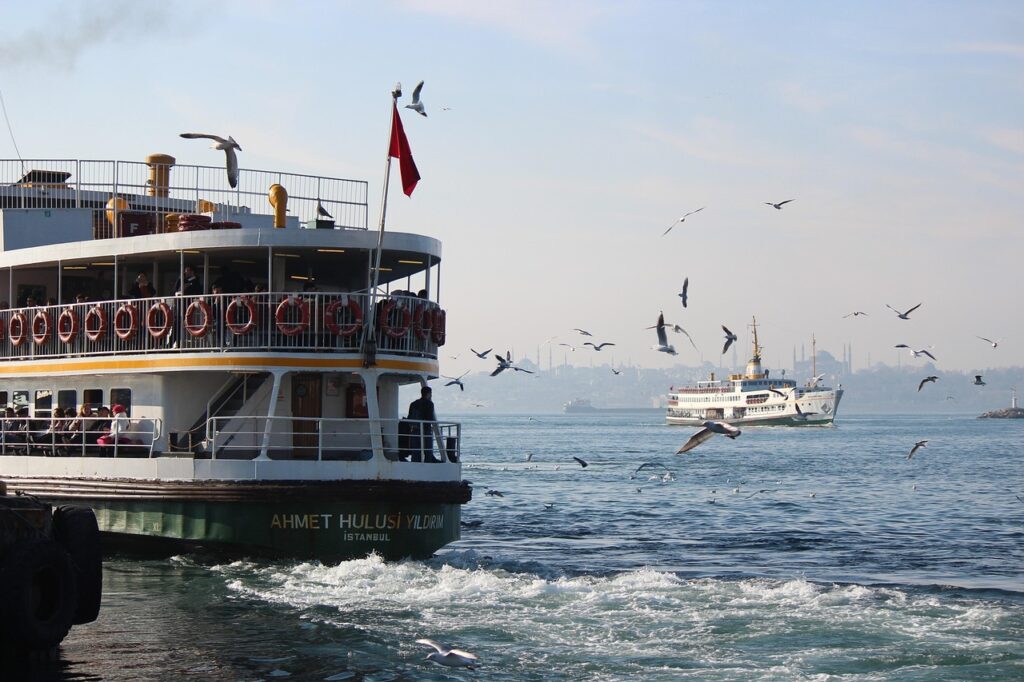
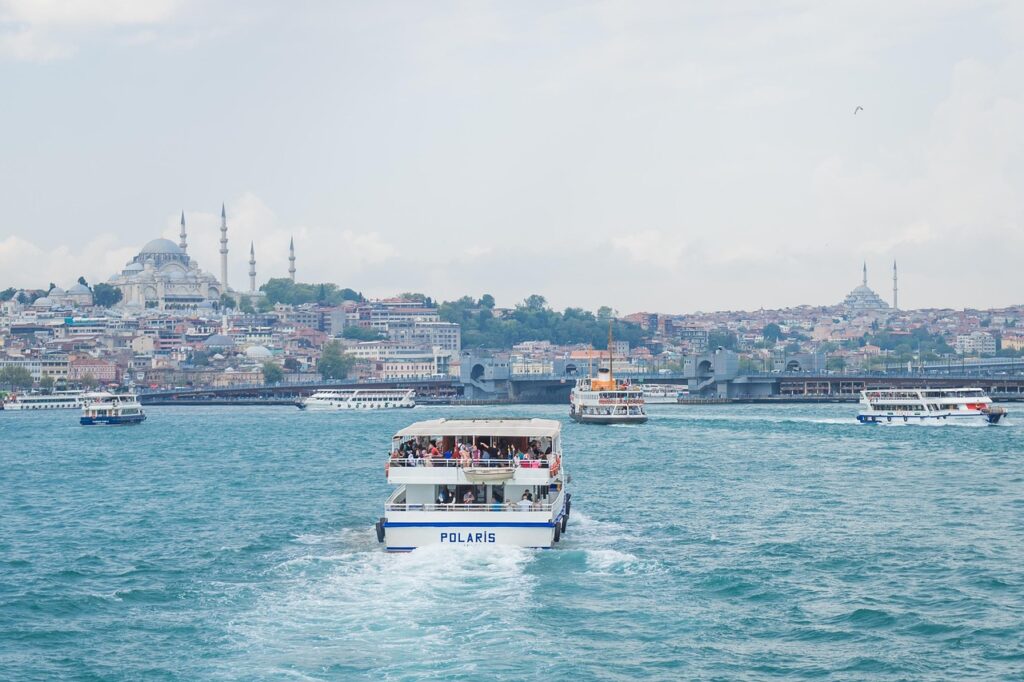
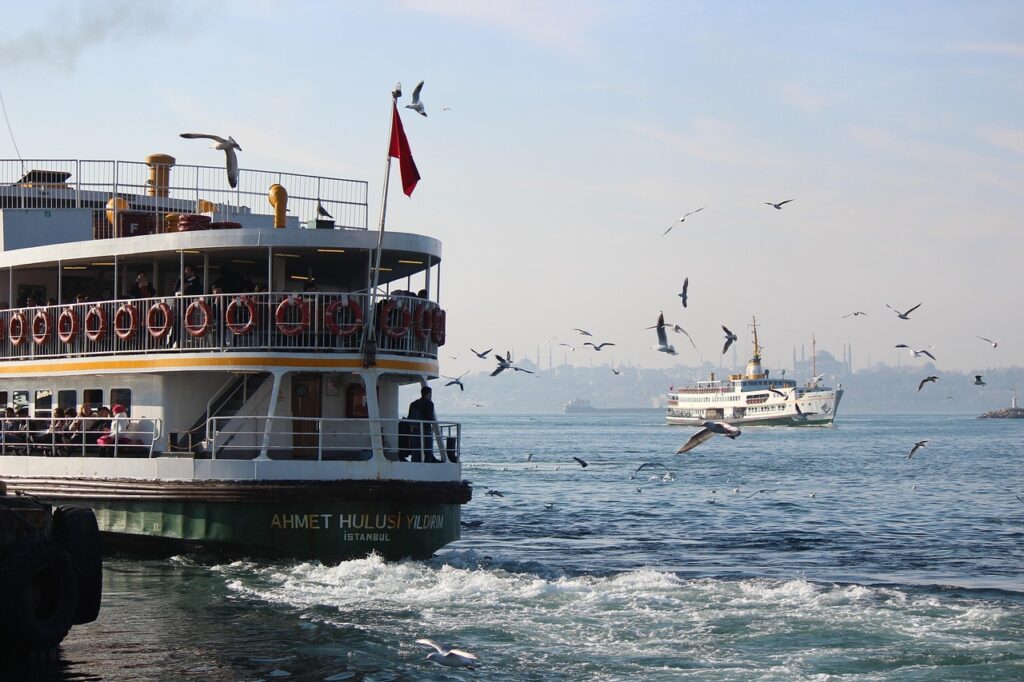
The Istanbulkart is more than a transit ticket: it’s a passport for the picture-perfect ferries crossing the Bosphorus, the historic trams that skirt the old city, the modern metros linking airports and the buses that reach the hills off the beaten path. It also gives you integrated fare benefits — one card, easy transfers, discounts on some lines and a big time-saver compared with buying single tickets. In this guide we’ll cover practical details (sales points, top-up locations, prices in euros, how the validators work) as well as real travel scenarios: from Sabiha Gökçen Airport to Sultanahmet, ferry rides to the Princes’ Islands, and late-night trips from Taksim.
You’ll find exact addresses (stations, kiosks, offices), opening hours (ticket office times, core service hours), cost comparisons and local hacks: when to top up, where to avoid crowds, how to protect your card and how to share it with family members. We’ll also include immersive descriptions to help you picture each step — from the queue at the T1 recharge machine in Eminönü to the colorful tangle of shops in the Grand Bazaar after a Bosphorus crossing.
Whether you’re in town for three days or three weeks, traveling solo or with family, this guide will help you get the most from your Istanbulkart and navigate the city with ease. It includes route mind-maps, sample daily budgets and tips to avoid common scams and pitfalls. Get ready to turn journeys into part of the fun — the Istanbulkart is the central tool to make that happen. By the end of this article you’ll know exactly where to buy your card, how much to load, how to move quickly and how to enjoy Istanbul like a local.
1) What the Istanbulkart is and why you should get one right away
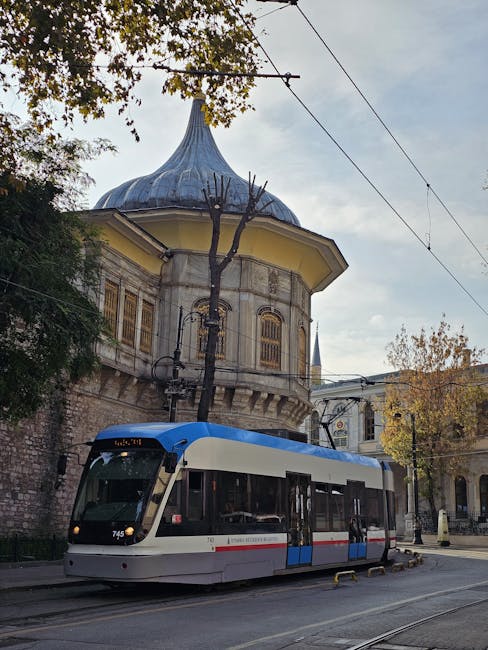
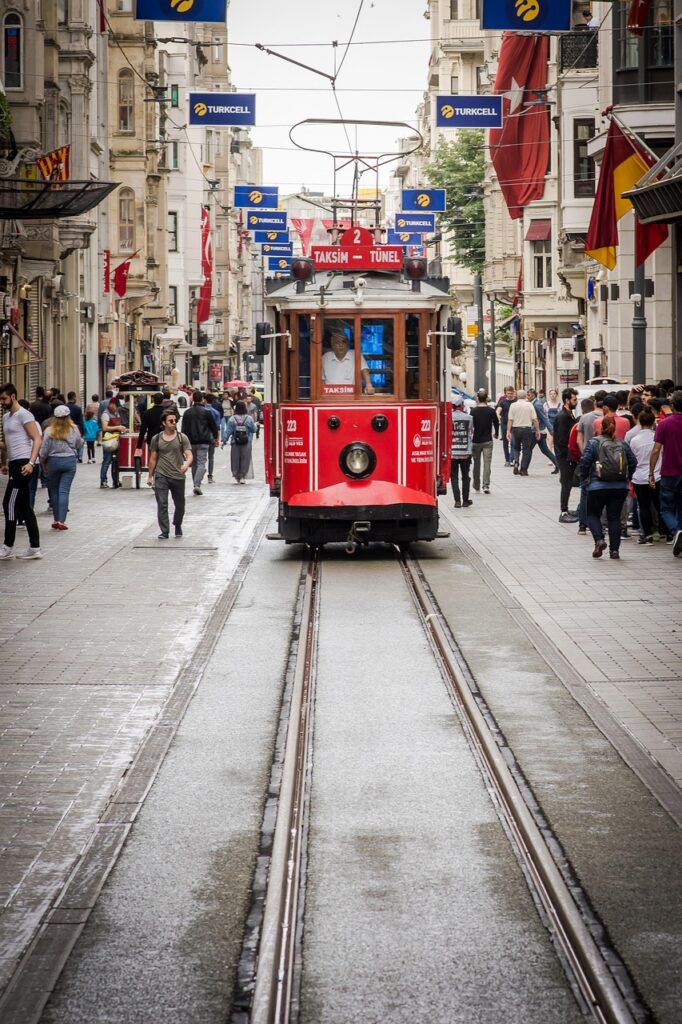
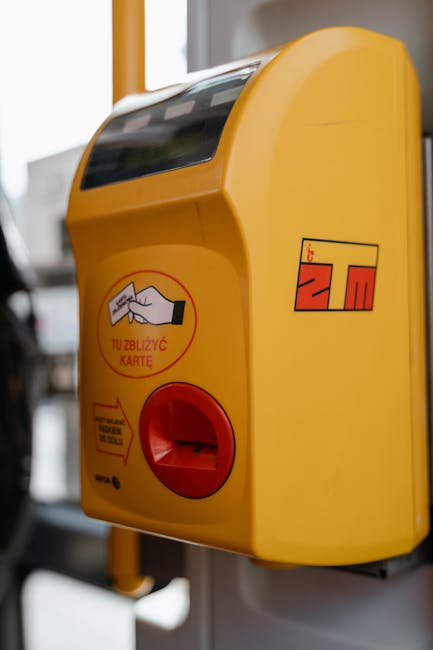
The Istanbulkart is a reusable contactless card that gives access to most of Istanbul’s public transport network: metros (Marmaray, M1, M2, M4…), trams (the T1 Eminönü–Kabataş line, for example), municipal buses (IETT), funiculars (Tünel, Kabataş–Taksim), cable cars, public ferries and even some municipal boat services (Şehir Hatları). It’s gradually replacing paper tickets and enables integrated fares. In practice, you tap the card on the yellow/green reader located at station entrances or inside vehicles to validate your trip.
Main benefits:
- Simplicity: one card for all transport modes.
- Savings: cheaper than single paper tickets, with decreasing fares for quick successive transfers or multiple trips in a short window.
- Speed: no need to queue for a ticket each time you travel.
- Durability: reusable, reloadable and refundable under certain conditions.
Indicative prices (in euros, approximate conversions):
- Initial purchase of the Istanbulkart: around €3.00 (card deposit / physical card cost).
- Minimum top-up: often €1.00 or the equivalent in Turkish lira (many machines require a minimum top-up of 10–20 TRY).
- Fare per trip (with Istanbulkart): about €1.40 per trip in central zones (typical for most metros and trams). Municipal ferries are usually similar or slightly higher depending on distance.
- Fare without Istanbulkart: single tickets bought onboard or at counters can cost up to €2.00–3.00 depending on the service.
These amounts are given as a guide in euros; fares are actually paid in Turkish lira (TRY) and can change with local pricing decisions. Check exchange rates and current fares when you travel.
Where to buy one right away? Several sales points:
- IETT offices and kiosks: for example, IETT Genel Müdürlüğü, Darülaceze Caddesi No: 5, 34055 Zeytinburnu/Istanbul (opening hours vary).
- Ticket machines in metro and tram stations — e.g. T1 Eminönü Station (Address: Unkapanı Cd., 34116 Fatih/Istanbul).
- Ferry piers: kiosks near Eminönü Ferry Terminal, Address: Rüstem Paşa Mah., Eminönü Meydanı, 34116 Fatih/Istanbul.
- Convenience stores (« tekel » tobacco shops or small groceries) displaying the Istanbulkart sticker.
2) Where to buy and top up your Istanbulkart: addresses, opening hours and practical tips
Travelers have plenty of options to buy and top up an Istanbulkart. The fastest method is to buy the card at a metro station ticket machine or a staffed ticket office. Below are practical addresses and opening hours for the main tourist entry points:
-
T1 Eminönü / Tram (Sultanahmet)
Address: Unkapanı Cd., 34116 Fatih/Istanbul.
Hours: machines available 24/7 depending on station access; tram ticket office generally 06:00–00:00. Price: card ≈ €3.00, top-ups possible from €1.00 equivalent. -
Istanbul Airport (İstanbul Havalimanı)
Address: Terminal C, 34283 Arnavutköy/Istanbul.
Hours: sales desks open 24/7 (airports); ticket machines in public and secure areas. Tip: avoid topping up only at the airport if you have many trips planned — exchange rates at currency booths can be less favorable. -
Sabiha Gökçen International Airport (SAW)
Address: Pendik, Sabiha Gökçen Havalimanı, 34912 Pendik/Istanbul.
Hours: ticket desks 05:00–01:00 depending on flights. Ticket machines available. Prices and top-ups are the same. -
Taksim Square — Kabataş Funicular (F1)
Address: Taksim, Gümüssuyu Cd., 34437 Beyoğlu/Istanbul.
Hours: funicular generally 06:00–00:00 (seasonal variations). Sales and top-ups at ticket offices or kiosks around the square. -
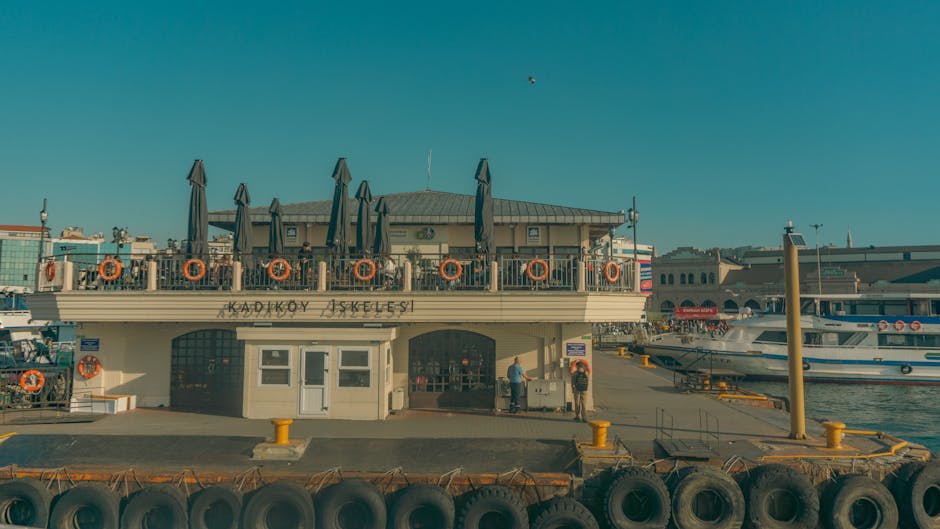
Kadıköy Ferry Terminal (Asian side)
Address: Rıhtım Cd., Kadıköy, 34710 Kadıköy/Istanbul.
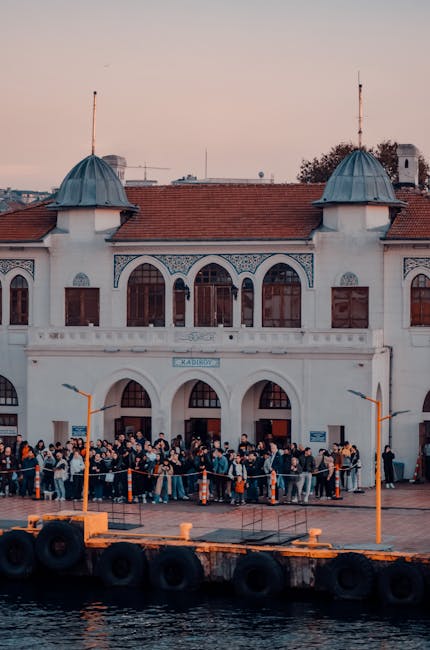
Hours: offices and kiosks 06:00–22:00; ferries run roughly 05:30–00:30 depending on the line. Good place to buy/top up when arriving on the Asian shore.
Practical tips for topping up:
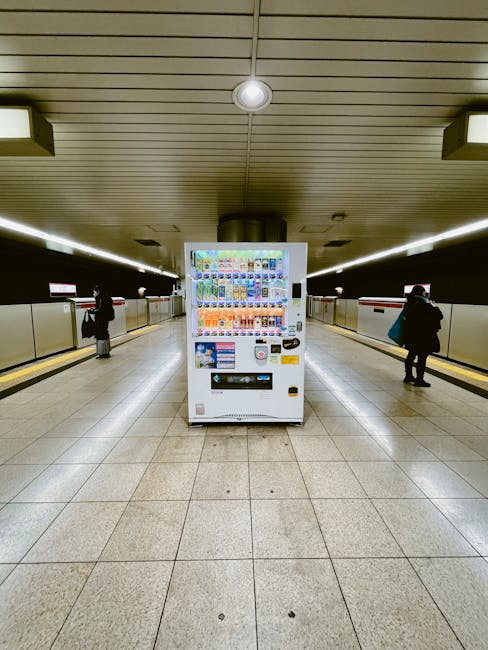
- Use the ticket machines in metro/tram stations: they accept cash (TRY) and often foreign bank cards; choose the « İstanbulkart yükleme » (Istanbulkart top-up) option. Screens are available in English.
- Bring small bills if topping up at a kiosk or at a tekel seller: vendors prefer small notes/coins to give change easily.
- Minimum top-up: some machines require a minimum (e.g. 10 TRY) — in euros, expect about €1–2 for the first top-up.
- Keep a safety balance: 10–20 TRY (≈ €1–4) is usually enough for two to five trips depending on your movements.
- Online top-ups: there are Turkish apps and websites to add credit remotely, but they often require a Turkish card number or ID; for most tourists, physical top-ups are simpler.
3) Fares, transfers and real travel scenarios (with prices in euros)
One major benefit of the Istanbulkart is integrated fares: you pay a reduced amount at each validation and often get a discounted rate for successive transfers within a set time window. Below are concrete scenarios and cost estimates in euros to help you budget transport.
Assumptions: for clarity, euro amounts are rounded and given as approximate conversions. The average single fare with Istanbulkart in central Istanbul is about €1.40 for trams and metros. Municipal ferries usually cost between €1.40 and €2.20 depending on distance. Night buses or intercity buses may be slightly more expensive.
Practical examples:
- IST Airport → Sultanahmet: if you take the M11 + Marmaray + tram T1, expect roughly €2.80–4.20 in total (plus any airport shuttle). You will usually validate several times: each validation debits the normal fare, but transfers within a certain time can yield partial discounts.
- Sultanahmet → Taksim: T1 tram (Eminönü) + Kabataş–Taksim funicular (F1): about €1.40–1.80 if you time transfers well; the funicular is often counted with a small integrated surcharge.
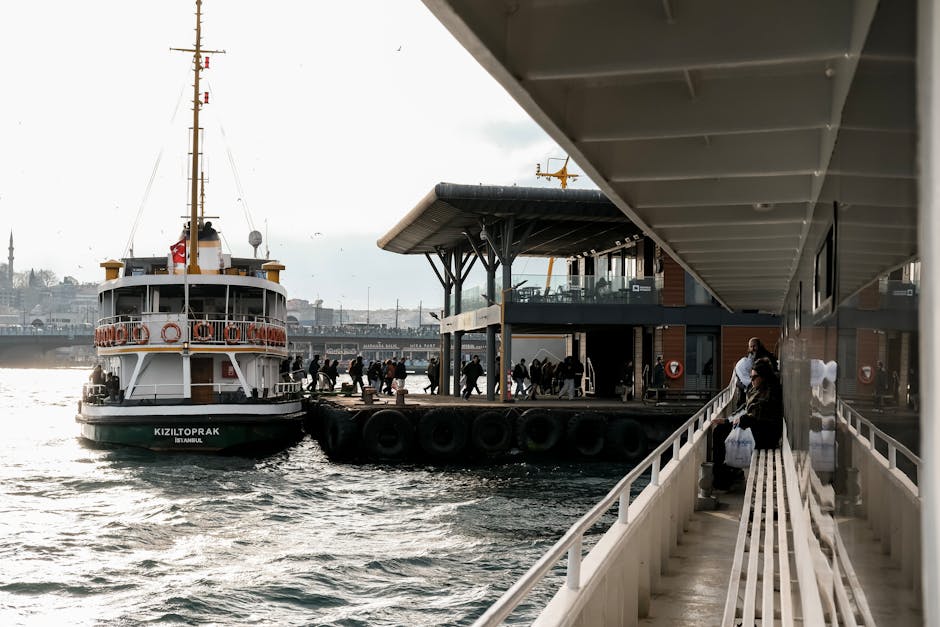
- Kadıköy (Asian side) → Karaköy (via municipal ferry): municipal ferry (Şehir Hatları); estimated fare €1.60–2.20. The crossing offers stunning Bosphorus views and is an attraction in itself.
- Princes’ Islands (Büyükada): longer-distance ferries to the islands are sometimes run by different operators (Şehir Hatları or private companies). Approximate round-trip fare for Büyükada: €5.00–7.00; check schedules at Kabataş or Bostancı piers (Address: Kabataş İskelesi, Kabataş Cd., 34357 Beşiktaş/Istanbul, hours 06:00–22:00 depending on season).
Money-saving tips:
- Top up larger amounts at once: multiple small top-ups waste time. Load €10–20 depending on your stay length.
- Use smart transfers: some metro and tram lines are designed for quick connections (e.g. Marmaray at Yenikapı); study station layouts to save minutes.
- Avoid taxis during peak hours: Istanbul gets caught in heavy traffic; buses and metros are more reliable for scheduled trips.
4) How to use the card in practice: validate, fix mistakes, block or get a refund
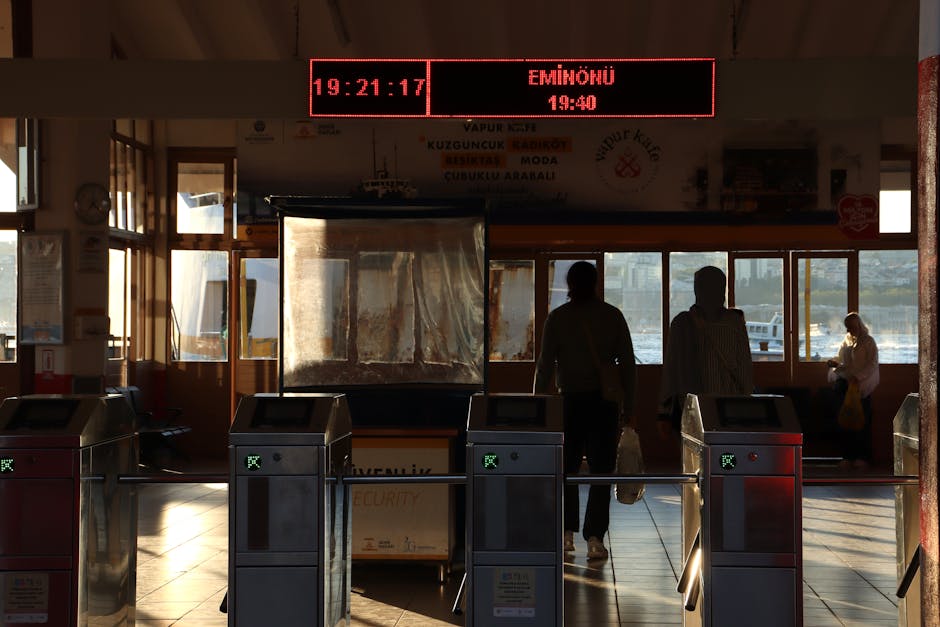
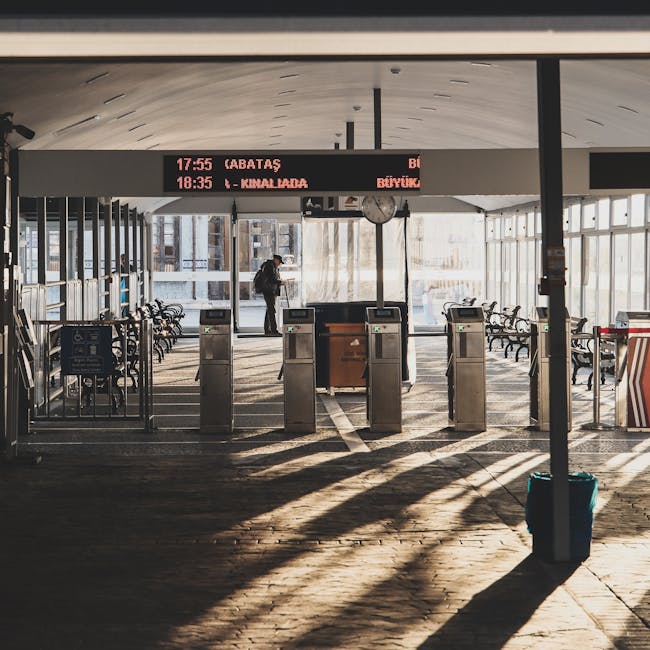
Tapping in is straightforward but there are ways to use the card that help you avoid costly mistakes. At a station entrance, place the Istanbulkart near the yellow/green reader (often labeled « Kart »). The amount to be charged appears on the small screen; some readers beep once for a successful validation, twice for insufficient balance.
Best practices:
- Tap briefly: hold the card on the reader for a second or two, avoid moving it too quickly. Readers may still accept contactless validation if the card is in a wallet, but it’s safer to take it out to avoid errors.
- Check your balance: some readers display the remaining balance after a tap; use that opportunity to confirm you have enough for the return trip.
- One card, one reader: on buses, validate when boarding and sometimes when alighting depending on the line. On ferries, validate at the pier entrance or at the turnstile.
What to do if something goes wrong (double charge, reader swallows the card, insufficient balance)?
- Ask staff immediately: metro and tram stations usually have a service desk (bilet gişesı) or an attendant. Example address: Taksim F1 Funicular Service Desk, Gümûssuyu Cd., 34437 Beyoğlu/Istanbul — hours 06:00–23:00.
- Keep evidence: screenshot the reader display if possible, note time and place. An agent can correct a double deduction if you can prove it quickly.
- Lost/blocked card: under certain conditions you can request a block and transfer the remaining balance if the card was registered via an app or was purchased with identification. Tourists may face limited options; often the quickest solution is buying a new card and reloading if the lost amount is small.
- Refunds: refunds of unused balance can be requested at official Istanbulkart offices (for example, Istanbulkart Customer Service & Call Center, Address: Topkapı service zone — hours 09:00–17:00), but conditions vary (administrative fees, proof of purchase, ID). For modest amounts (a few euros), it’s usually faster to spend the remaining balance on buses or ferries.
Local tip: if you’re staying short-term (2–4 days) and plan to use lots of ferries and trams, load €15–25 on the card on day one. For longer stays, top up weekly and ask for help at a major station (like Yenikapı or Taksim) where staff often speak English.
5) Recommended routes with the Istanbulkart, schedules and tips for each major district
To get the most out of your Istanbulkart, here are practical, illustrated routes for the main tourist areas, with schedules and local tips for each trip.
-
Sultanahmet — historic circuit
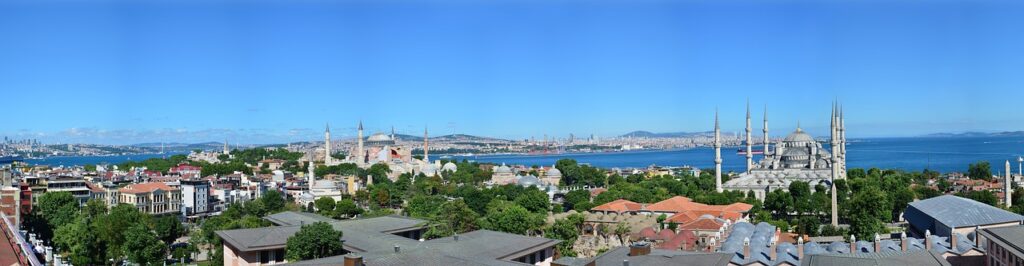
Suggested route: T1 tram stop Eminönü → Hagia Sophia (Ayasofya Meydanı, Address: Ayasofya Meydanı, Sultanahmet, 34122 Fatih/Istanbul) → Blue Mosque (Sultan Ahmet Camii).
T1 tram hours: roughly 06:00–00:00 (frequency 5–15 min depending on time). Cost: ≈ €1.40 per trip.
Tip: arrive early (08:00–09:00) to beat crowds; top up your Istanbulkart the night before at Eminönü station. -
Taksim & Istiklal Avenue — nightlife and shopping
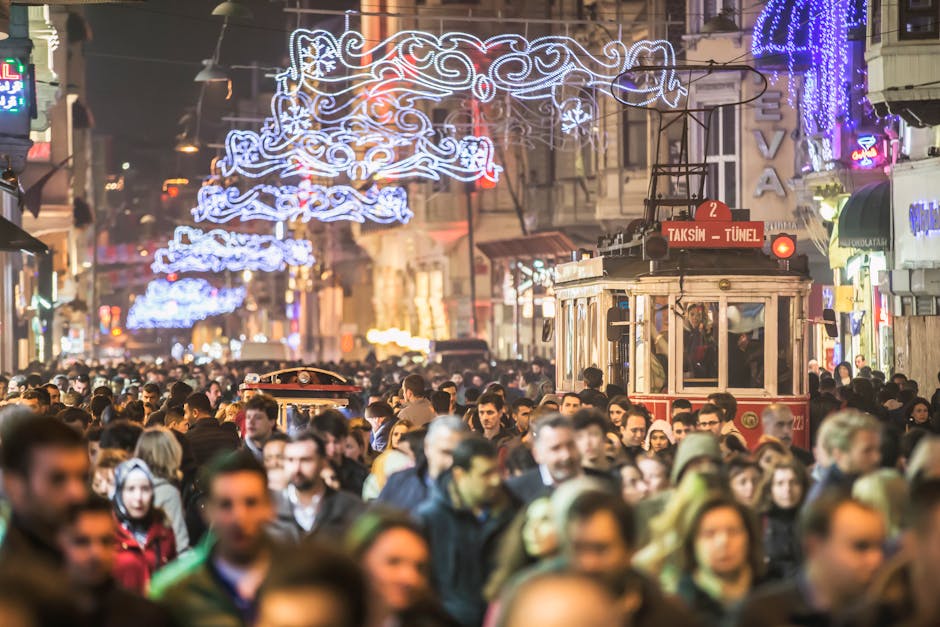
Route: F1 Kabataş ↔ Taksim funicular; then walk along Istiklal Avenue (Istiklal Caddesi).
Funicular hours: 06:00–00:00 (seasonal). Cost: ≈ €1.40.
Tip: Taksim gets crowded at night; use the funicular to avoid long climbs and validate before each transfer. -
Kadıköy & the Asian shore
Route: Kadıköy ferry → Karaköy or Eminönü for a panoramic crossing; explore Kadıköy fish market (Address: Rıhtım Cd., Kadıköy).
Ferry hours: generally 05:30–00:30, with frequency every 15–30 min depending on the trip. Municipal ferry cost: ≈ €1.60–2.20.
Tip: for a local lunch try a « balık-ekmek » (fish sandwich) on the waterfront; pay your crossing with Istanbulkart at the quay turnstile. -
Bosphorus & short cruises
Route: board from Eminönü or Kabataş for a short Bosphorus cruise (Şehir Hatları lines).
Hours: frequent departures between 09:30 and 18:00; expanded schedules in summer. Cost: ≈ €3.00–6.00 depending on duration (some tourist boats are pricier and do not accept Istanbulkart).
Tip: know the difference between municipal ferries (Istanbulkart accepted) and private tourist cruises (separate payment). Check the departure pier (Eminönü İskelesi, Address: Eminönü Rıhtımı, Fatih/Istanbul).
Extra tip: if you plan to use both ferries and trams heavily in the same day, loading a comfortable balance (e.g. €15–20) prevents you from queuing at crowded kiosks during peak times (11:00–14:00 and 17:00–20:00).
Conclusion — master the Istanbulkart for a successful trip in Istanbul
Getting comfortable with the Istanbulkart is one of those small wins that transforms a stay in Istanbul: it frees you from queues, cuts your transport costs and unlocks smooth access to the Bosphorus panoramas, the lanes of Sultanahmet and the lively cafés of Kadıköy. This guide has given you the essential practical details: where to buy and top up (Eminönü, Taksim, airports, Kadıköy), indicative prices in euros to plan your budget, general schedules for key lines (tram T1, funicular F1, municipal ferries), how to behave when validating and what to do if problems occur (double charge, lost card).
Before you go, keep a few golden rules in mind: buy your Istanbulkart as soon as you arrive in the city, load a comfortable amount to cover two to three days (€15–25 depending on your plans), check seasonal schedules and ask staff at a ticket office if you’re unsure. Don’t forget to enjoy the trips themselves: the Kadıköy–Karaköy crossing is a can’t-miss photo moment, and the T1 tram from Sultanahmet to Eminönü instantly plunges you into the city’s historic atmosphere. Also plan your travel outside peak times for maximum comfort — early morning or late afternoon off the busiest windows.
The Istanbulkart is far more than a technical tool: it smooths the flow of visits, food stops and evening strolls, making discovering Istanbul easy and enjoyable. If you have specific questions (how to top up online, combining Istanbulkart with a guided tour or tourist pass, or the official refund procedure), I can add extra practical sections with addresses and step-by-step instructions. Safe travels — and enjoy every beep: behind each validation is a new discovery in this city of a thousand faces.