





Introduction: Understanding Istanbul’s Climate
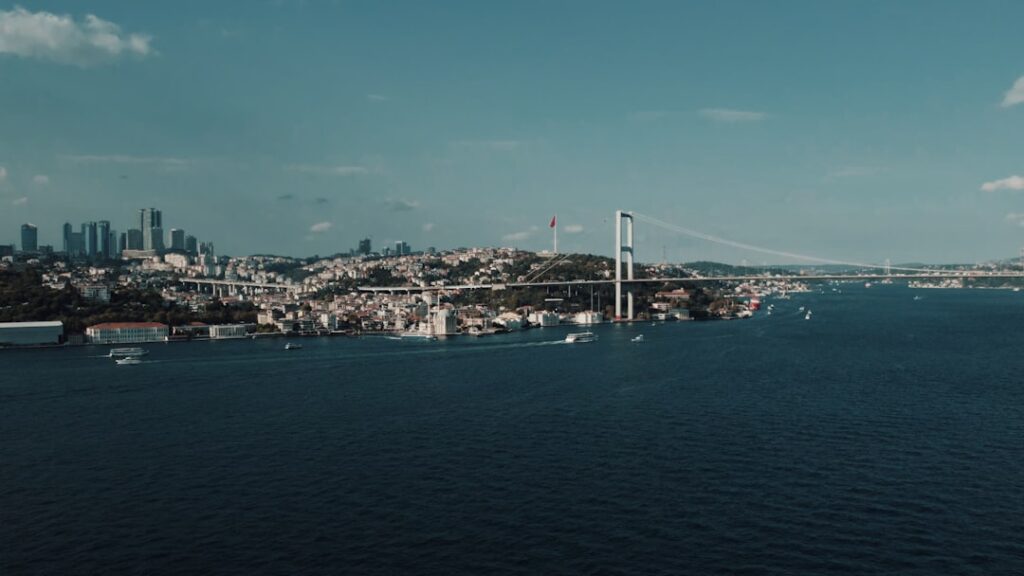
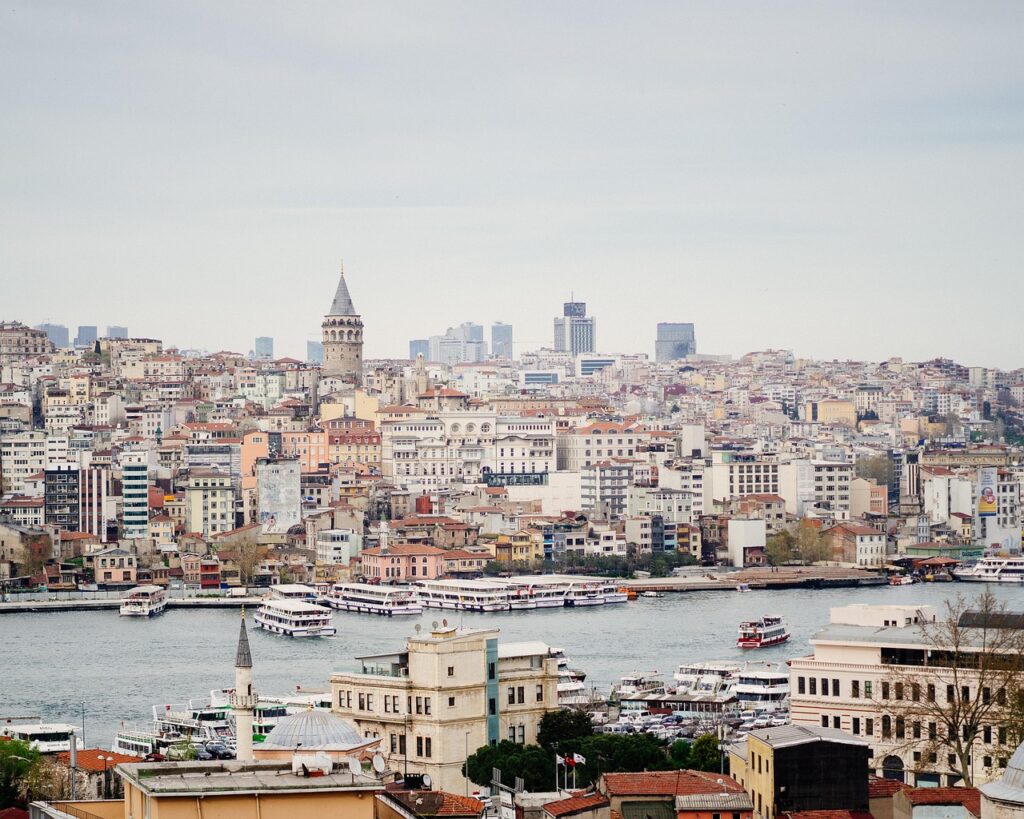
Istanbul is a one-of-a-kind metropolis straddling two continents, bordered by the Sea of Marmara and the Bosphorus. That unique geography creates a complex climate that mixes maritime and continental influences. Winters can be mild and damp, sometimes interrupted by snow, while summers are warm and often moderately humid. For any traveler, grasping these climate nuances is key to planning your sightseeing, packing the right clothes, and getting the most out of your time — whether you’re admiring the historic skyline from Pierre Loti Hill, cruising the Bosphorus, or wandering through the Sultanahmet district.
This article aims to give a practical, professional and detailed overview of average temperatures, precipitation, prevailing winds and the best windows to visit Istanbul. You’ll find useful, on-the-ground information including exact addresses, opening hours for major sites, price indications in euros for common activities, and local tips to make the most of each season. The focus is not just on weather data but on how that data translates into real experiences: which terraces will be pleasant in April, which museums to choose on a rainy day, or where to warm up on a chilly January morning.
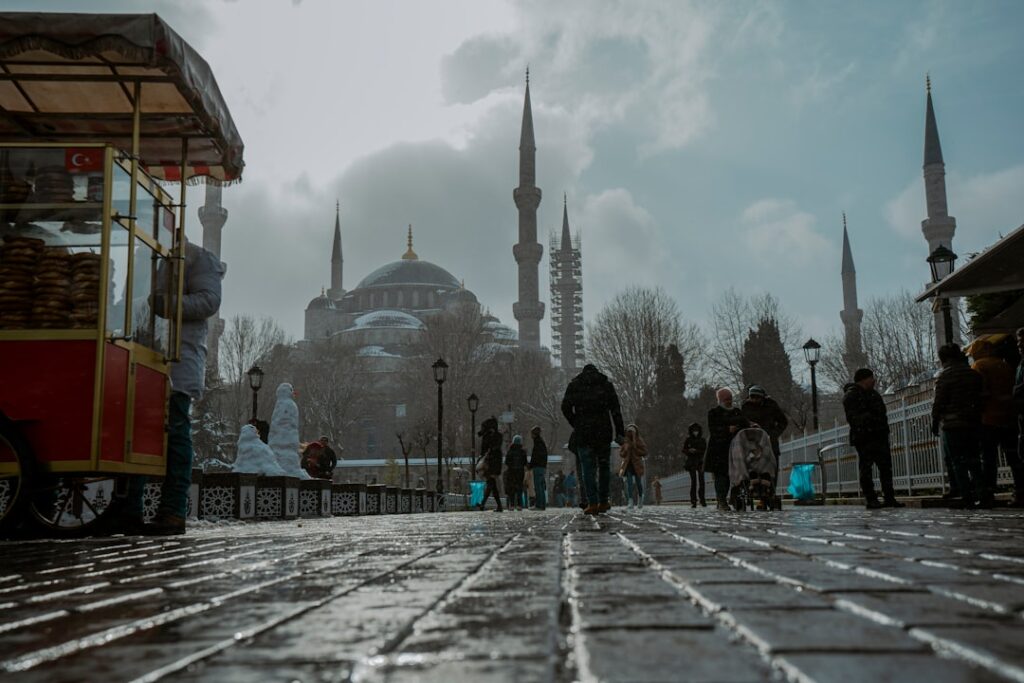
Istanbul changes its face throughout the year: in spring parks fill with tulips and breezes cool the evenings; in summer Bosphorus terraces glow late into the night; in autumn the city adopts warm tones and sees more frequent showers; and winter can bring grey days or, occasionally, a dusting of snow over the Blue Mosque and Sultanahmet. Knowing these seasonal shifts will help you book at the right time (hotels, museum tickets, cruises), avoid surprises and enjoy Istanbul outside peak crowds when possible.
Throughout this guide you’ll find practical recommendations: the best time for a Bosphorus cruise, time slots to visit the Blue Mosque (Sultanahmet Camii), addresses for sheltering from sudden rain (cafés, hammams), and even euro price ranges for common tourist activities. This guide is designed to be used on the ground — keep it on your phone, print an excerpt, or consult it before booking flights and visits.
Seasons and General Trends: Temperatures, Rain and Winds
Istanbul has four distinct seasons, although transitions can be gradual. Here’s a concise yet detailed summary of the main climate features by season, with practical travel tips.
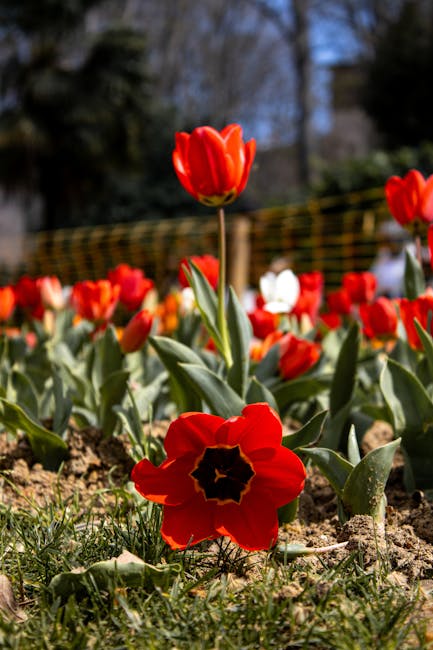
- Spring (March to May): Spring brings steady warming. March can still be cool, especially early morning and evening, with average temperatures around 8–15 °C. April and May are pleasant, averaging 12–20 °C. Rainfall decreases after March, though occasional showers remain possible. It’s tulip season: Gülhane Park (Gülhane Park, Cankurtaran Mh., 34122 Fatih/İstanbul). Free entry. Terraces become progressively more comfortable by late April.
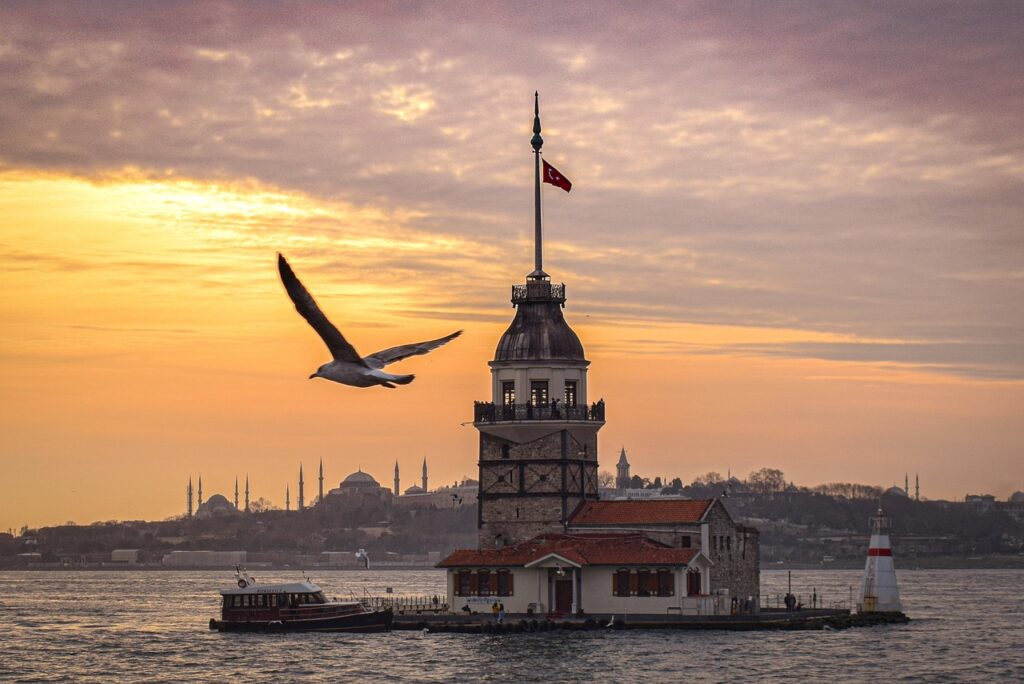
- Summer (June to August): Summers are warm, often 25–30 °C by day and sometimes higher in July and August. Humidity can make the heat feel oppressive, but Bosphorus breezes and boat trips ease the sensation. Summer thunderstorms are possible but not common. Ideal for an evening Bosphorus cruise (Bosphorus cruise departure Eminönu ferry terminal, Eminönü Meydanı, 34116 Fatih/İstanbul). Indicative price: €15–30 for a private cruise or €3–10 for a public 1–2 hour ferry. Schedules: regular departures in the morning and at sunset, roughly 09:00–21:30 in high season.
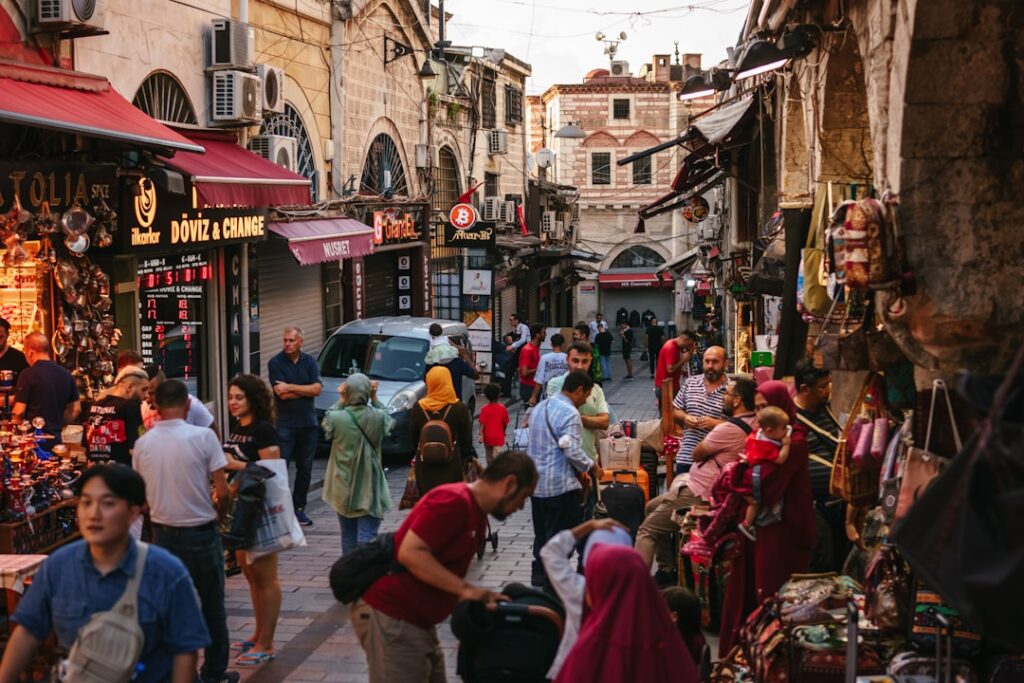
- Autumn (September to November): Temperatures gradually drop—20–26 °C in September, 10–18 °C in November. Rain becomes more frequent, especially from October. Autumn is an excellent time to visit museums and bazaars without summer heat or intense crowds. For example, the Grand Bazaar (Grand Bazaar, Beyazıt, Kalpakçılar Cd. No:22, 34126 Fatih/İstanbul) is generally open 09:00–19:00, closed Sundays. Free entry, but budget for shopping.
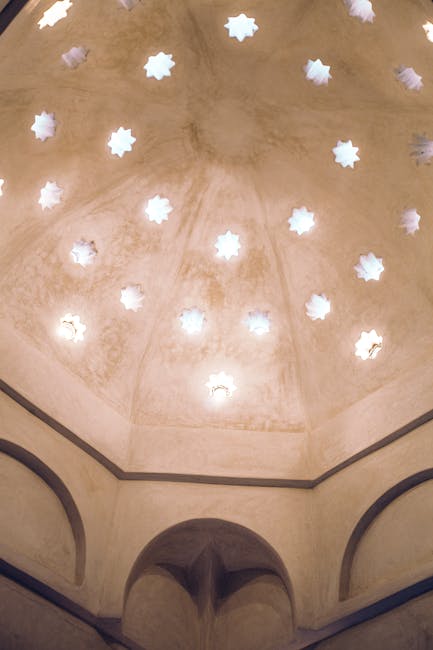
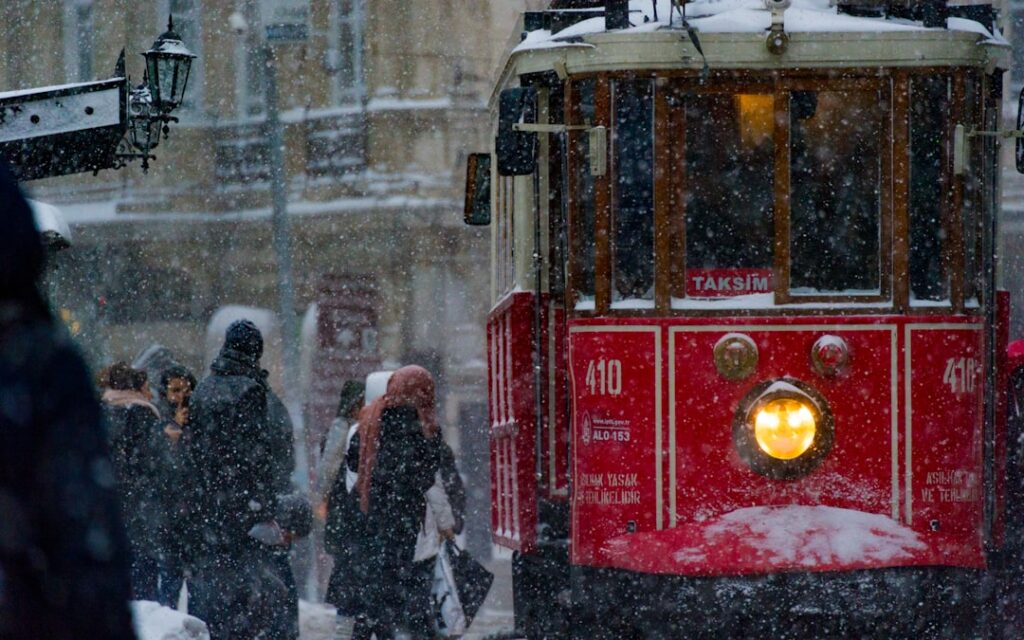
- Winter (December to February): Winter is the wettest season. Temperatures often range between 3 and 9 °C, but nights can drop near 0 °C, with occasional snow. From December to February expect grey, damp days. This is the perfect season to enjoy cozy cafés and historic hammams like Çemberlitaş Hammam (Çemberlitaş Hamamı, Şifa Hamam Sok. No:4, 34126 Fatih/İstanbul). Opening hours: typically 08:00–23:00; approximate price: €25–60 depending on package.
Prevailing winds often come from the northwest (from the Black Sea) and can bring a noticeable chill, especially on bridges and along the Bosphorus shores. When marine winds blow, the Asian side (Kadıköy, Moda) receives refreshing breezes, while urban microclimates can make some neighborhoods warmer — the historic center (Sultanahmet, Fatih) is often slightly more sheltered.
Month-by-month: Average Temperatures, Rainfall and Suggested Activities
To plan precisely, here’s a month-by-month look with indicative average temperatures, relative precipitation and activity suggestions including addresses and opening times to better organize your days.
- January: Average 3–7 °C, frequent rain, possible snow. Recommended activity: visit Hagia Sophia and its café: Hagia Sophia (Ayasofya Meydanı, Sultanahmet, 34122 Fatih/İstanbul). Since its reconversion, access is free, but respect prayer times and religious etiquette. Best time: morning 09:00–11:00 to avoid services.
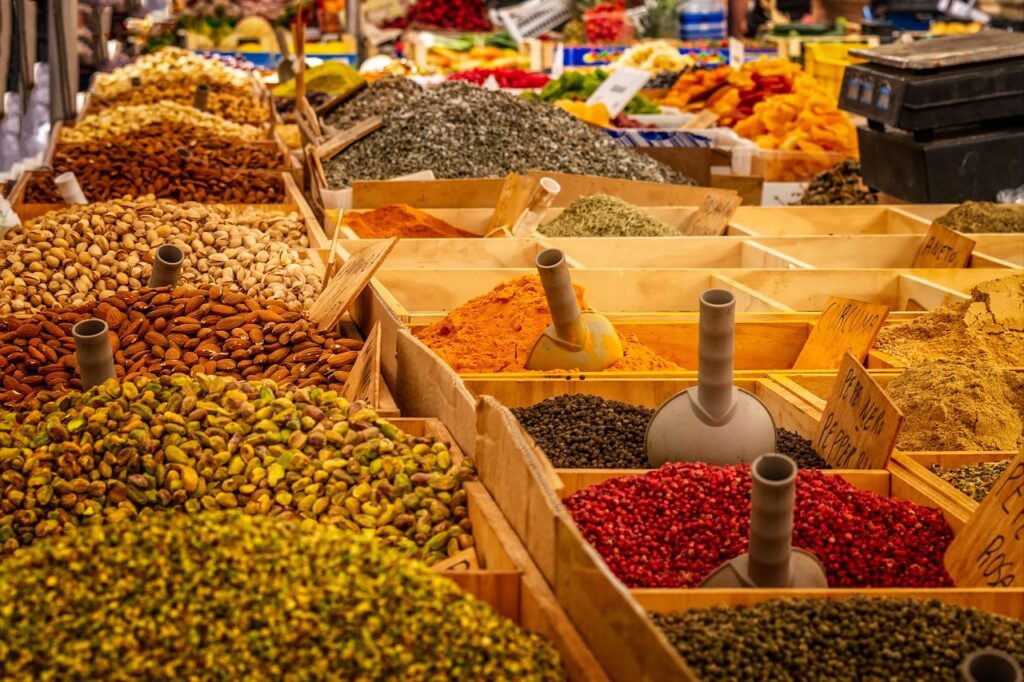
- February: Average 3–8 °C, wet days. Activity: hammam and indoor food tour. Covered market: Spice Bazaar (Mısır Çarşısı, Rüstem Paşa Mh., 34116 Fatih/İstanbul), open 09:00–19:00. Budget: tastings €2–10 per portion.
- March: 6–12 °C, transitional with showers. Activity: walks in Gülhane Park and museum visits (Topkapi Palace Museum, Topkapı Sarayı, Cankurtaran Mh., 34122 Fatih/İstanbul). Indicative Topkapi price: €10–15 depending on exhibitions; opening hours 09:00–18:30 (seasonal variation).
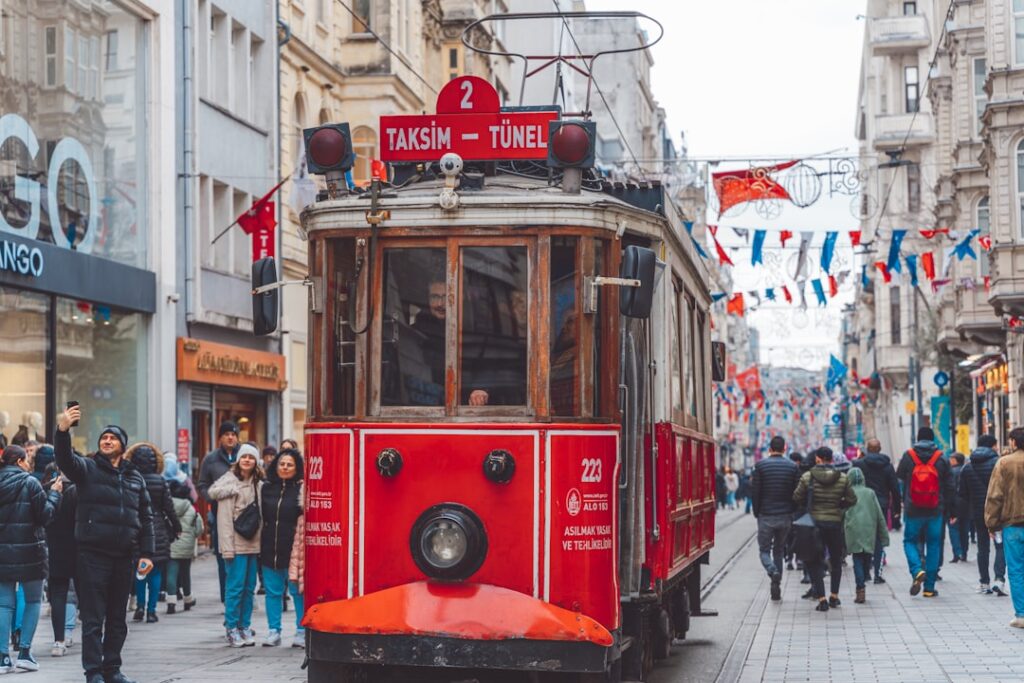
- April: 10–18 °C, tulip bloom. Highlight: Tulip Festival, stroll along Istiklal Avenue (Istiklal Caddesi, Beyoğlu, 34435 Beyoğlu/İstanbul). Shops and cafés open early to late: 08:00–00:00 depending on the place.
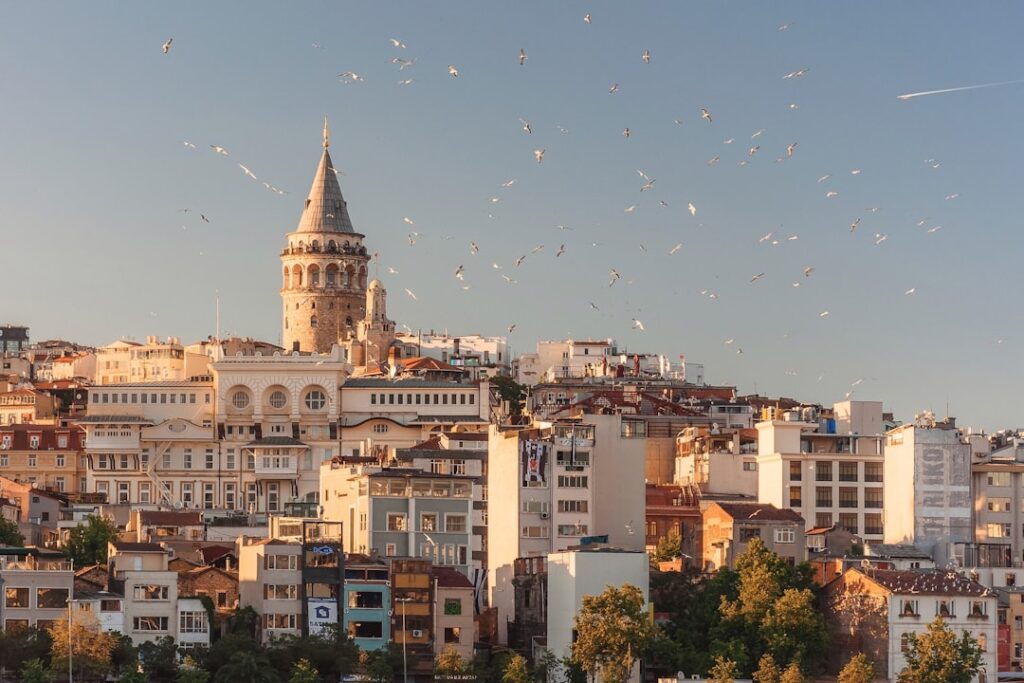
- May: 14–22 °C, pleasant weather. Activity: morning Bosphorus cruise or picnic at Pierre Loti (Pierre Loti Hill, Eyüp, 34050 Eyüp/İstanbul). Pierre Loti café terrace open 09:00–22:00, drinks €3–10.
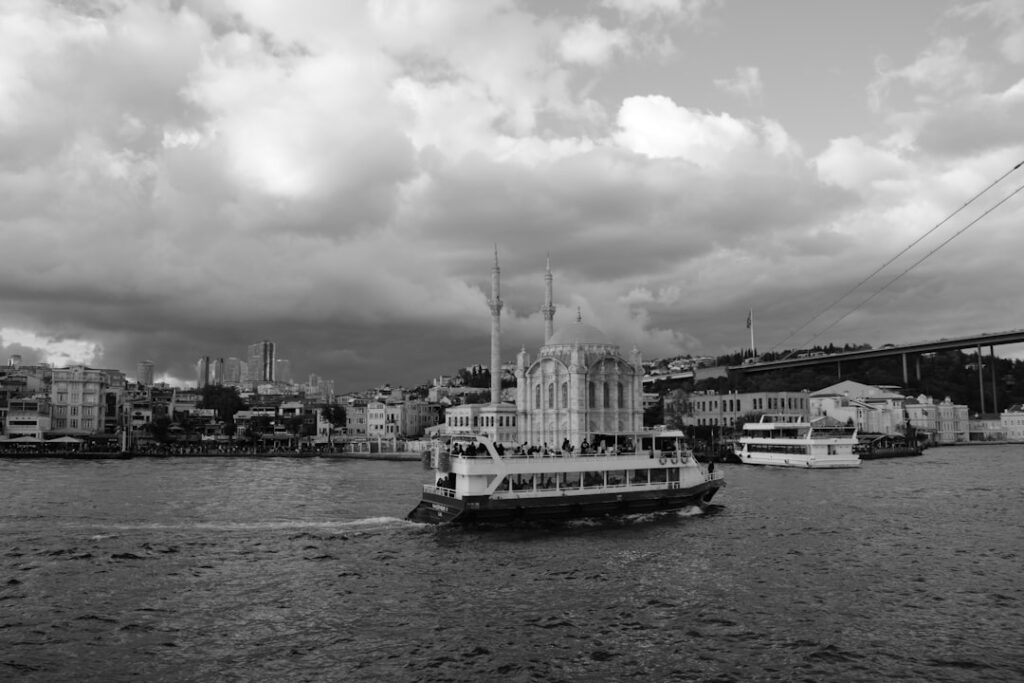
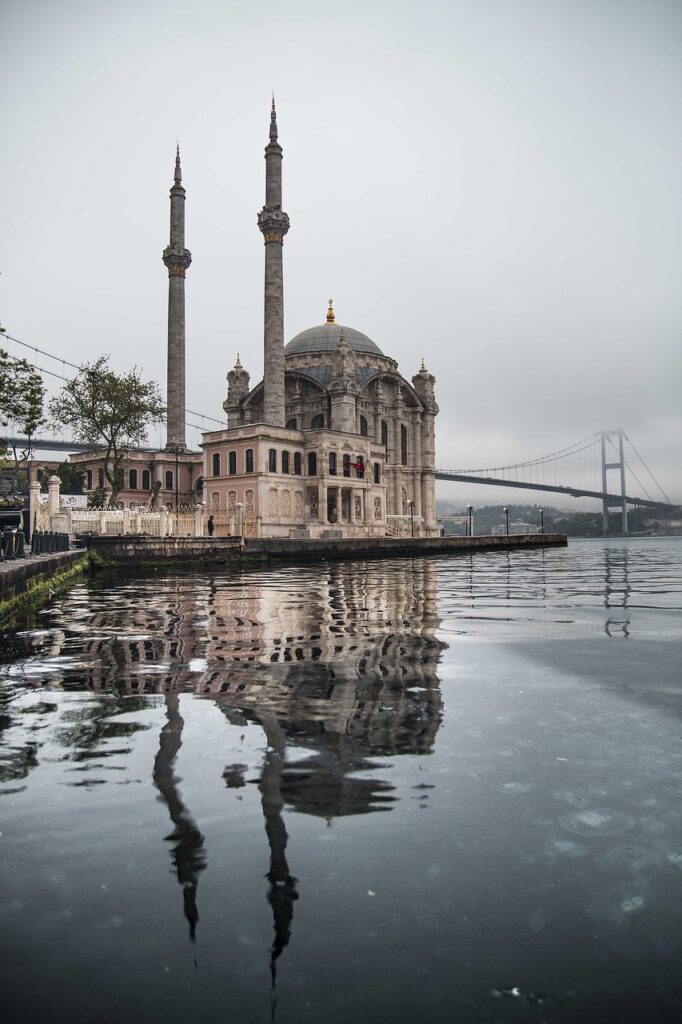
- June: 18–26 °C, light winds, long days. Activity: dinner on a terrace in Ortaköy (Ortaköy Square, Ortaköy, 34347 Beşiktaş/İstanbul). Restaurants open 12:00–02:00, dishes €8–25.
- July–August: 22–31 °C, heat and humidity. Activity: beaches near Kilyos (Kilyos Beach, Sarıyer district) to cool off; Bosphorus bars and clubs open until 03:00. Beach access: shuttle or taxi, entrance €5–15 depending on the venue.
- September: 18–26 °C, an excellent compromise, sea still warm. Activity: bike rides on the Asian shore, street markets in Kadıköy (Kadıköy Market, Rıhtım Cd. No:28, 34710 Kadıköy/İstanbul). Market opens from 07:00; local specialties €2–8.
- October: 12–20 °C, more frequent rain. Activity: visit Istanbul Modern (Mimar Sinan, Karaköy on the waterfront). Museum price varies €8–15; opening hours 10:00–18:00.
- November: 8–15 °C, cool and damp. Activity: indoor shopping at the Grand Bazaar and sampling Turkish coffee in covered alleys.
- December: 5–10 °C, rain and occasional snow. Activity: museum hopping and traditional cafés, evening at the panoramic restaurant 360 Istanbul (Istiklal Caddesi No:167, Beyoğlu, 34340 Beyoğlu/İstanbul). Reservations recommended; average dish €15–35; open 19:00–02:00.
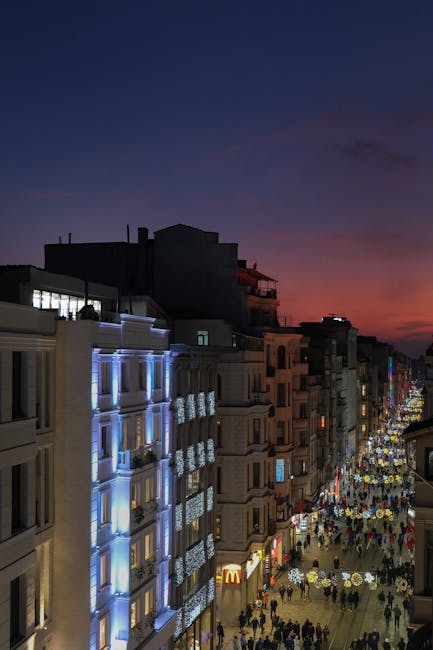
These monthly indications are guidelines. For outdoor activities, favor morning half-days if you want to avoid afternoon rain or storms. Local weather apps and marine bulletins are useful for cruises or Bosphorus crossings.
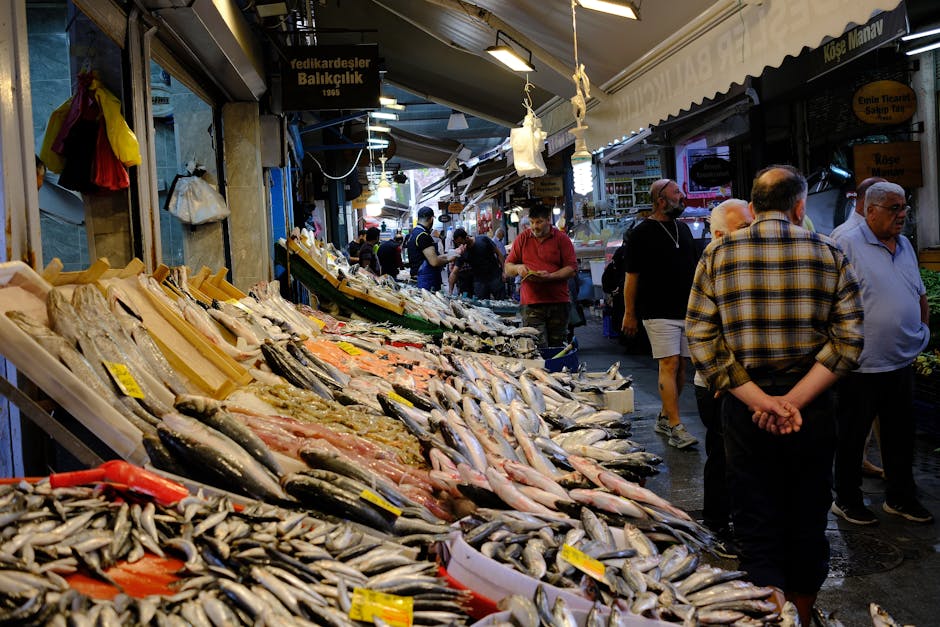
Practical Tips by Weather: Clothing, Transport and Local Hacks
For a comfortable stay in Istanbul, adapt your luggage and schedule to the climatic variations described above. Here are concrete tips, with addresses and small local gestures.
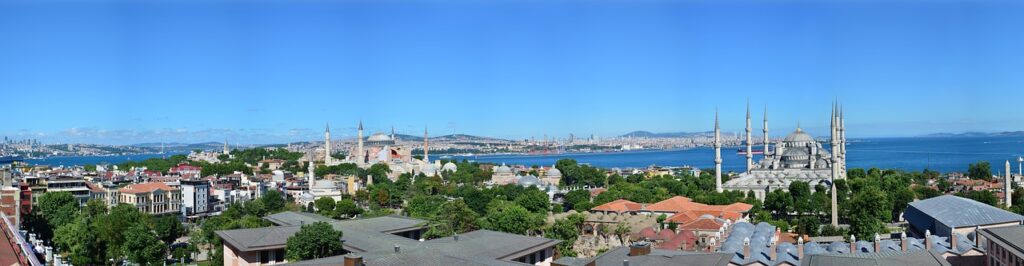
- Recommended clothing: in winter bring a good waterproof jacket and a pair of waterproof shoes. In summer pack light clothing but include a light jacket for Bosphorus evenings. When visiting mosques (Blue Mosque / Sultanahmet Camii, Sultanahmet Square, 34122 Fatih/İstanbul), bring a scarf or a garment to cover your shoulders — entry is free but closed during the five daily prayer times.
- Transport: the ferry network is a pleasant and often cooler way to get around. Example: ferry Eminönü ↔ Kadıköy (Eminönü Ferry Terminal, Eminönü Meydanı, 34116 Fatih/İstanbul → Kadıköy Ferry Terminal, Rıhtım Cd., 34710 Kadıköy/İstanbul). Public fares approx. €0.50–2.50 depending on ticket type and category (local vs tourist). The T1 tram links Kabataş ↔ Bağcılar and serves Sultanahmet; single fare about €0.50–1.50 depending on transport card.
- Plan B for rain: if a sudden downpour hits, head to covered spots like the Grand Bazaar (Kalpakçılar Cd. No:22) or the Spice Bazaar (Rüstem Paşa Mh.). Museums such as Topkapi Palace and the Istanbul Archaeological Museums (Osman Hamdi Bey Yokusu, 34122 Fatih/İstanbul) make excellent shelters. Museum budgets: €8–20 depending on exhibitions.
- Local tips: don’t fear the rain—locals often carry a compact umbrella year-round. Buy museum tickets online to avoid queues in the rain. For snow, stick to central neighborhoods (Sultanahmet) where streets are cleared quickly; higher spots like Pierre Loti offer snowy panoramas but can require more walking.
Finally, know that weather in Istanbul can vary significantly from one day to the next: be ready to be flexible and enjoy the perks of each type of weather — a rainy day is the perfect excuse for a hammam, a cup of tea in a çay bahçesi, or an in-depth museum visit.
Conclusion: Picking the Best Time to Visit Istanbul
In short, the “best” window depends on your priorities. If you want pleasant temperatures and long days with a low risk of rain, aim for late April to June or September. These periods offer a great balance between climate, light and manageable tourist crowds. For a quieter and more budget-friendly trip, consider November to March, accepting cooler and potentially wetter days — you’ll discover a more local Istanbul, warm and inviting inside cafés and museums.
If you’re after a beach vibe and lively Bosphorus nights, July–August is ideal, keeping in mind the heat and humidity. For photography and color, spring (April) with tulips and autumn (October) with golden tones provide exceptional light. During your trip, combine outdoor activities with covered alternatives: plan fallback museum days like Topkapi Palace (Topkapı Sarayı) or Istanbul Modern, and keep adaptable clothing handy for rapid temperature changes.
A few final practical tips: book cruises and popular restaurants in advance during high season; always carry a transport card (Istanbulkart) for trams and ferries; and check mosque and museum hours as they can change with the seasons and religious events. The addresses mentioned in this article (Hagia Sophia, Topkapi Palace, Grand Bazaar, Spice Bazaar, Çemberlitaş Hammam, Pierre Loti, Ortaköy, Kadıköy) give you a solid operational base to build an itinerary resilient to the climate.
Whatever the season, Istanbul remains a city of contrasts and surprises. With these climate pointers and practical recommendations, you’ll greatly increase your chances of enjoying a memorable, comfortable trip well timed to real weather — and you’ll be ready to soak up the city’s magic, whether it sparkles under summer sun, drifts in autumn mist, or lights up after a winter shower.