





Introduction: History and how the Istanbulkart works for curious travelers
The Istanbulkart has quietly become an essential travel companion for getting around Istanbul in just a few years. For the curious visitor, understanding its history and how it works is a window into the mechanics of a megacity of over 15 million people that runs buses, metros, trams, ferries, funiculars and even some leisure services with one single contactless card. This detailed guide aims to make the system clear and practical — not just so you can hop on a metro or tram, but so you can save time, cut costs and read the city more easily.
The Istanbulkart was introduced in the late 2000s as a response to the proliferation of paper tickets and the need for a single interoperable electronic solution. Originally, each operator had its own tickets: IETT (buses), Metro İstanbul (metro/tram), Şehir Hatları (ferries) — the Istanbulkart standardized access. Its gradual roll-out transformed urban travel: shorter lines at paypoints, faster validations at turnstiles, and growing integration with private services (some taxis and tourist shuttles).
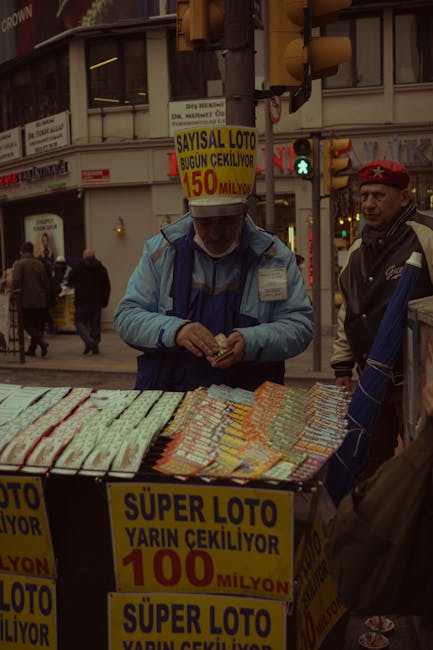
Today you can buy and top up the card everywhere: neighborhood kiosks (tezgâh), ticket machines in metro stations, municipal offices, ferry terminal machines, and via official mobile apps. The principle is simple: buy the card, add credit, then tap every time you board. But beneath that simplicity are practical details — fare rules by mode, free transfers within a limited time window, reduced fares for children and seniors, and tourist-specific options. Knowing these subtleties will help you optimize your travel, especially on multi-day trips.
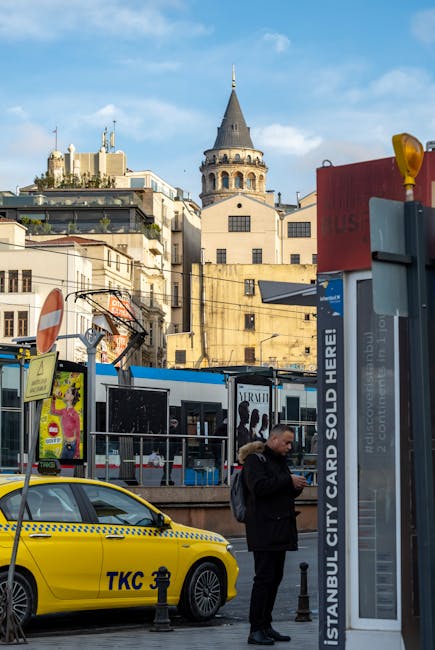
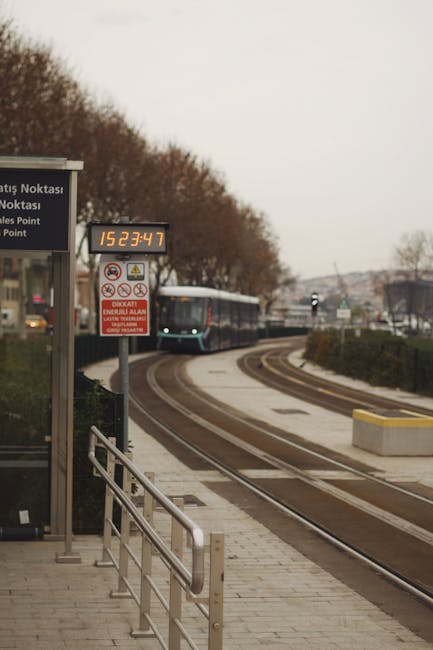
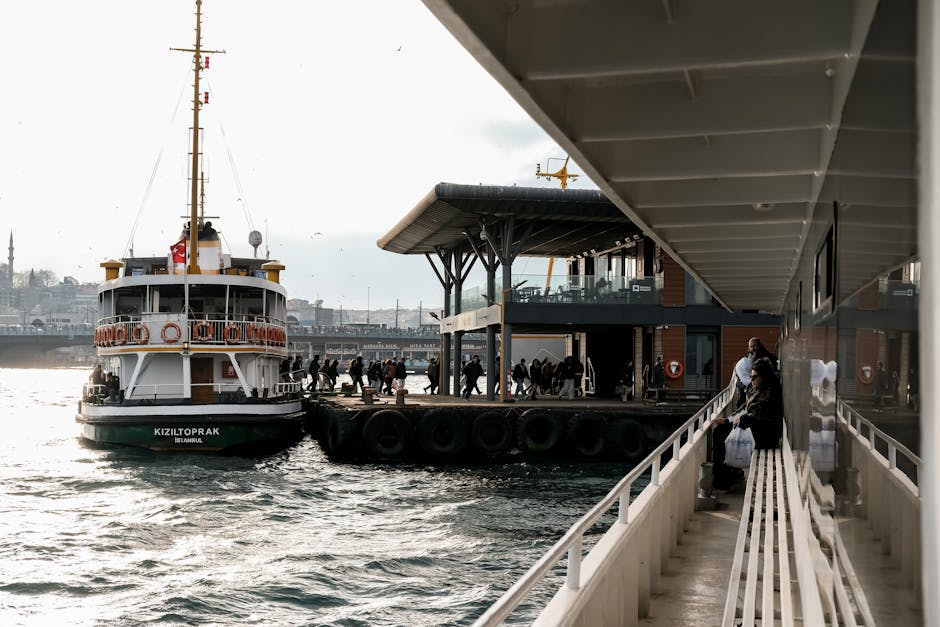
In this guide we cover the key history of the Istanbulkart, how it works in practice (where to buy it, how to top up, how to check your balance), give precise addresses and useful opening hours for major stations and offices, present fares in euros so you can budget your stay, and share local tips to get the most out of the card. We’ll also point out visual cues with images so you can spot machines, kiosks and piers on the ground.
History and evolution: from chip cards to connected services
The evolution of the Istanbulkart mirrors Istanbul’s changes: rapid urbanization, growing intermodal mobility needs and infrastructure modernization. The contactless smart card was rolled out progressively from around 2008–2010, first on some bus networks, then on metro and tram lines, before being added to ferries and funiculars. The municipal goal was clear: one ticket, more fluid movement, and detailed statistics to optimize the network.
Early versions were standard plastic cards with a MIFARE chip. Today there are variants: reusable standard cards (which can be personalized), disposable tourist cards (limited duration), season passes for students and employees, and even integration into official mobile apps (e‑ticketing) on certain platforms. Local authorities — mainly the İstanbul Büyükşehir Belediyesi (Istanbul Metropolitan Municipality) and IETT (İstanbul Elektrik Tramvay ve Tünel İşletmeleri) — oversaw technical upgrades and public information campaigns.
In practice, governance moved toward greater interoperability: synchronized validations at metro turnstiles (for example at Taksim Metro Station, Taksim Meydanı, Beyoğlu, 34437 İstanbul Türkiye), top-up kiosks at ferry piers (for example Eminönü Ferry Terminal, Eminönü Meydanı, Fatih, 34110 İstanbul Türkiye) and sales points in thousands of kiosks. Recent improvements include the ability to buy and top up via banking apps and upgraded ticket machines, plus real-time flow analysis to manage peak frequencies.
This story isn’t just technical: it changed travel culture. Locals validate, re-tap for transfers, and plan trips to optimize time and cost. For visitors, learning these habits is a small rite of initiation into the city.
How it works in practice: buy, top up, tap — step by step
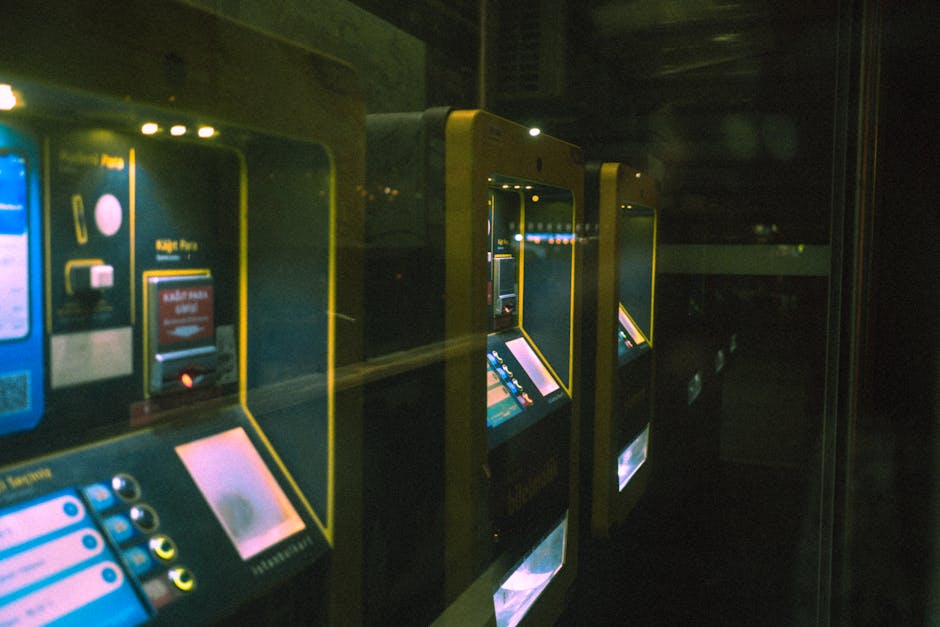
Buying an Istanbulkart is straightforward. The most common sales points are neighborhood kiosks (tobacco and small shops), station ticket booths and automatic machines. For a concrete example, head to the Kiosk near Taksim Square, Taksim Meydanı, Beyoğlu, 34437 İstanbul Türkiye, or the ticket counter at Taksim Metro Station. Ticket machines are at most metro and tram stations (station hours are generally 06:00–00:00, with small variations by line).
Indicative prices: the initial cost of an unregistered Istanbulkart is around 1.00–2.50 EUR; you then load credit to pay for trips. A standard metro/tram/bus trip costs roughly 0.80–1.20 EUR (single fare depending on tariff changes), while an intra-city ferry crossing averages 0.90–1.50 EUR depending on the line. These figures are indicative and can change; always check exact fares on the machines before topping up.
Top-up procedure: place your card on the pad of the machine, choose “Yükle / Load”, pick the amount you want (for example: 5 EUR, 10 EUR, 20 EUR), insert cash or pay by card. To save time, load at least 10–15 EUR if you plan several trips per day. Reload stations usually accept Turkish lira (TRY) and sometimes bank cards; newer machines accept contactless card payments.
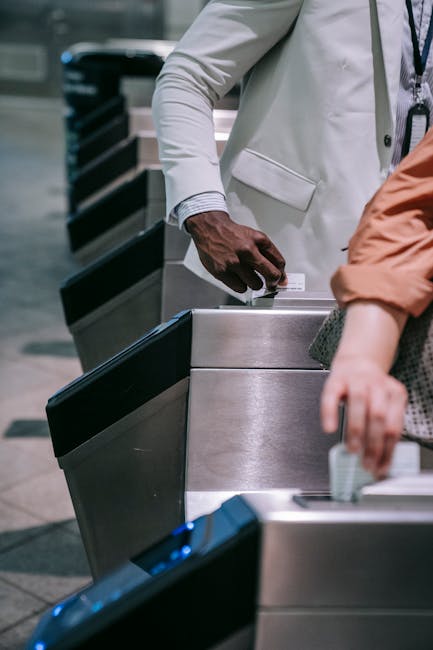
Validation: tap the card on the yellow/blue reader at turnstiles or on the validator on buses and ferries. A beep confirms the validation and the display shows your remaining balance. Important: keep your card and validate every time you board. For transfers, the system will automatically apply a discount if you validate a connection within the allowed time window (typically around 2 hours depending on transfer policy — check locally).
Useful addresses, opening hours and strategic sales points
For travelers, knowing a few key addresses saves time. Here are strategic spots to buy, top up or get help:
- Main counter at Taksim Metro Station — Address: Taksim Meydanı, Beyoğlu, 34437 İstanbul Türkiye. Hours: metro stations generally 06:00–00:00, ticket counters open during operating hours. Services: sales, top-ups, information.
- Eminönü Ferry Terminal (Eminönü İskelesi) — Address: Eminönü Meydanı, Fatih, 34110 İstanbul Türkiye. Ferry hours: main lines around 06:00–00:30. Services: top-up kiosks, card sales at the kiosk.
- Karaköy Ferry Pier — Address: Kemankeş Karamustafa Paşa, 34425 Beyoğlu, İstanbul Türkiye. Hours: 06:00–00:30. Handy for crossings to Üsküdar and Kadıköy.
- Hızlı Ödemeler / Main Customer Service (Istanbulkart Office) — Approximate address: Şehzadebaşı / Fatih (ask at a station for the exact customer center location). Hours: weekdays 09:00–17:00, closed weekends; ideal for complaints and personalized cards.
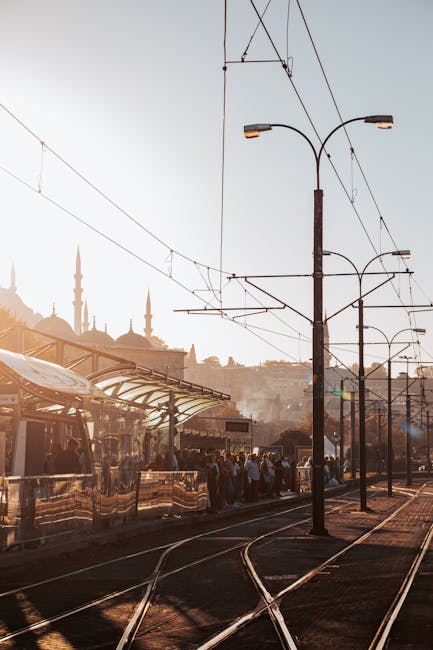
Practical tips: avoid topping up at the last minute in very busy stations like Sultanahmet Tram Stop, Sultan Ahmet Meydanı, Fatih, 34122 İstanbul Türkiye during peak hours (09:00–10:00 and 17:00–19:00). Topping up at a neighborhood kiosk is often faster. If you prefer a limited tourist option, ask for a “disposable tourist card” and mention the duration — some vendors provide them.
Local tips and mistakes to avoid for visitors
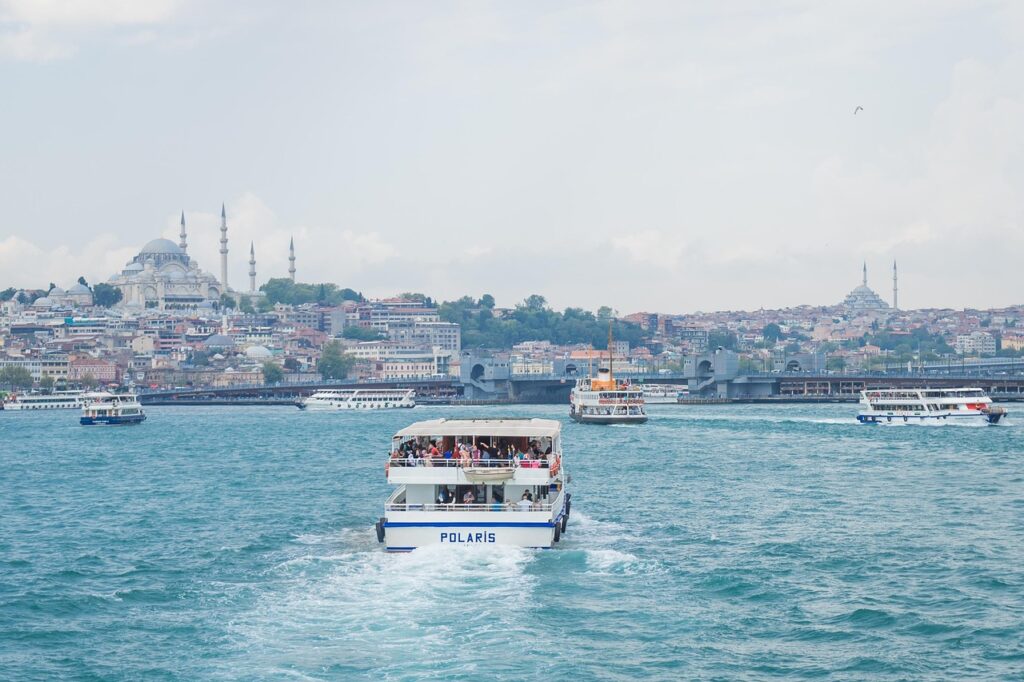
A few local habits will make life easier. First tip: always keep a small balance on the card. Machines can sometimes be out of order and some kiosks accept only local currency (TRY). Second tip: when you take the ferry at sunset between Eminönü and Üsküdar, tap your Istanbulkart before boarding and enjoy the waterfront views; validation happens at the boarding gate, not on board.
Third tip: if you travel in a group, each person needs their own card. Ride-shares or taxis generally don’t accept Istanbulkart (except for rare experimental services). Fourth tip: watch out for damaged cards — scratched plastic cards may fail to read. Keep your proof of purchase if you need an exchange at customer service.
Common mistakes: not validating on exit (some journeys require exit validation to calculate the correct fare); lending your card (risk of lost credit or fraudulent use); and assuming all private tourist lines (airport shuttles, private funiculars) accept Istanbulkart. Finally, if you have a concession pass (student, senior), carry the matching ID — checks can happen.
Integrations and new features: toward a multifunction card
The Istanbulkart is no longer just a transport ticket; it’s evolving to cover other urban services. Some areas are trialing contactless payment for parking, access to municipal facilities (water parks, paid public parks), and partner offers (discounts at museums, cinemas). The municipality is also testing e‑wallet integration and mobile top-ups to let you add credit via smartphone.
For long-term visitors, personalization is an interesting option: a registered card linked to a monthly pass, balance recovery in case of loss via a customer service request, and a mobile app to track spending. These services are being developed progressively and vary with legislation and operator contracts.
Watch the information boards in major stations (Taksim, Yenikapı, Üsküdar) for announcements about new features. For data enthusiasts, note that the usage data collected by Istanbulkart helps improve services: more metro trains on congested corridors, adjusted night bus frequencies, or reinforced ferry crossings. For travelers, this translates into tangible gains in time and comfort.
Conclusion: why mastering the Istanbulkart transforms your trip
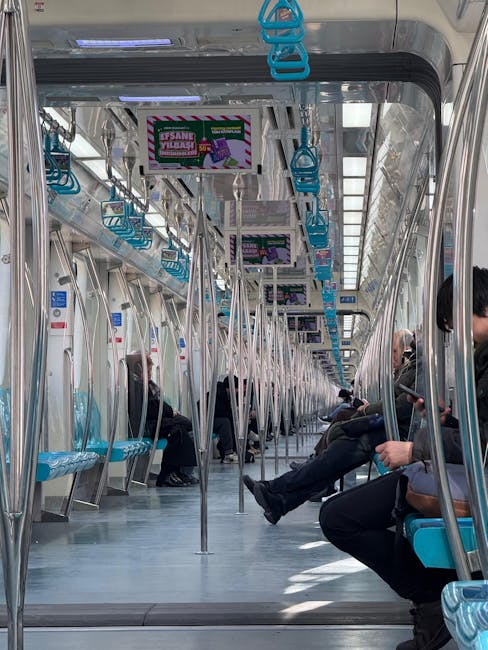
Mastering the Istanbulkart changes how you move around Istanbul: from wandering to flowing. The card not only makes it easy to travel across a dense network (metro, tram, bus, ferry, funicular), it also helps you fall into the city’s rhythm — know when to leave to avoid crowds, where to top up quickly, and how to save with transfers. For the curious traveler, the Istanbulkart is a pass that opens up less-touristy corners, speeds up your explorations and makes the experience more relaxed.
Practically speaking, remember the essentials: buy the card as soon as you arrive (kiosk near Taksim or near the Eminönü bridge), load a reasonable amount in euros (for example: 10–20 EUR) for several days, always validate when boarding and keep the card safe. If something goes wrong, go to the main ticket counter at a major station (Taksim Metro Station or the Eminönü ferry ticket office) or check the information boards. Typical transport hours are usually 06:00–00:00 for metro/tram and 06:00–00:30 for ferries, but check specific lines the day before you travel.
Beyond the mechanics, the Istanbulkart is a small testament to Istanbul’s adaptability: a city where old and modern coexist, where a simple beep links you to centuries of history, lively neighborhoods and unforgettable views. Take a moment to watch validations, listen for the beeps, and use the card as a quiet guide through the metropolis.