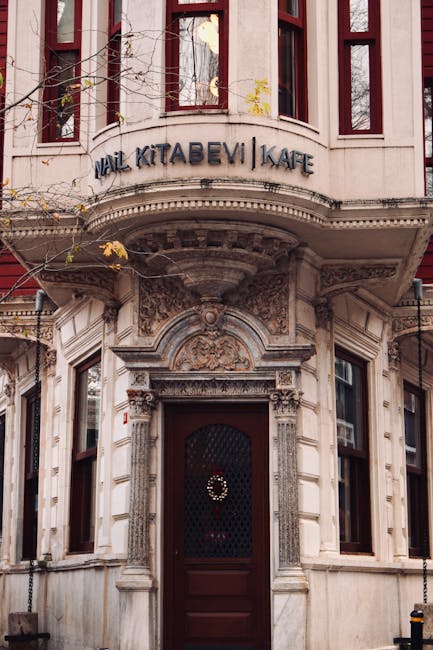






Introduction — Why Istanbul’s historic eateries deserve a deep-dive
Istanbul is a city where history is tasted on every corner. Sandwiched between the Byzantine and Ottoman empires, and shaped by Mediterranean, Balkan and Levantine influences, Istanbul’s cuisine is more than a set of recipes: it’s a living book of stories, encounters and migrations. The city’s historic eateries — lokantas, börekçi, boza shops, muhallebi makers and other traditional neighborhood kitchens — feel like places where time has paused. They carry forward cooking techniques, family traditions and largely unchanged menus, sometimes for centuries. This guide focuses on those emblematic addresses, giving exact locations, opening hours, price ranges in euros and vivid descriptions for each spot.
Inside this article you’ll find practical tips for planning your food stops: when to go to avoid the crowds, what to order to experience authenticity, and how to interpret price tags. Istanbul’s historic eateries span a broad spectrum: tiny stalls specialized in a single product (boza, muhallebi, simit) to family-run lokantas serving mezzes, stews and classic desserts. Some are tucked inside bustling markets (like the Egyptian Spice Bazaar), others sit in dense lanes on the Asian shore, and some are in historic neighborhoods near major monuments. Choosing a place isn’t just about the dish; it’s about atmosphere: the worn wood of the furniture, the buzz of conversations, cracked ceramic tiles and a service that’s often direct but warm.
This guide is made for the curious, discerning traveler: you’ll get full addresses (street, neighborhood, district), typical hours (and notes on seasonal variation), price ranges in euros to help with budgeting, and sensory descriptions — the texture of a baklava, the aroma of a slow-cooked stew, the sensation of a chilled boza dusted with cinnamon. Local recommendations will help you get the most out of each visit: which plates to share, which dishes to avoid at peak times, and how to interact politely with staff if your Turkish is limited.
Finally, visiting these historic eateries is an act of cultural preservation: by eating there you support family businesses, age-old know-how and Istanbul’s culinary diversity. This guide favors historical and culinary value while remaining pragmatic — that’s why prices are listed in euros to simplify planning. Whether you stop for a quick bite between sights, sit down for a leisurely lunch, or treat yourself to an evening sweet ritual, these eateries reveal a core piece of Istanbul’s soul.
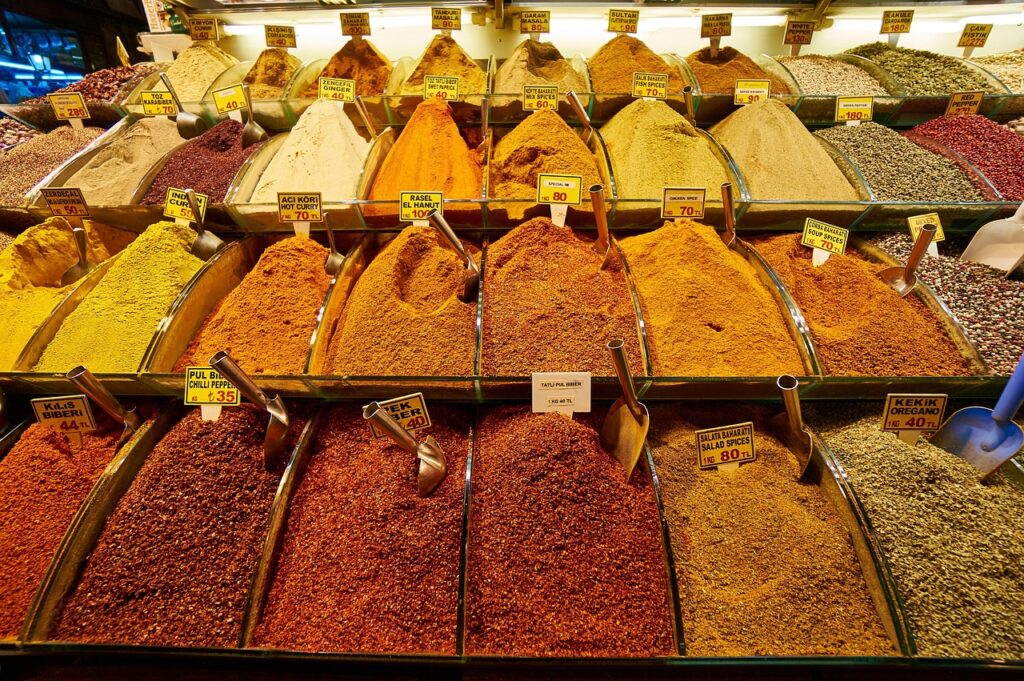
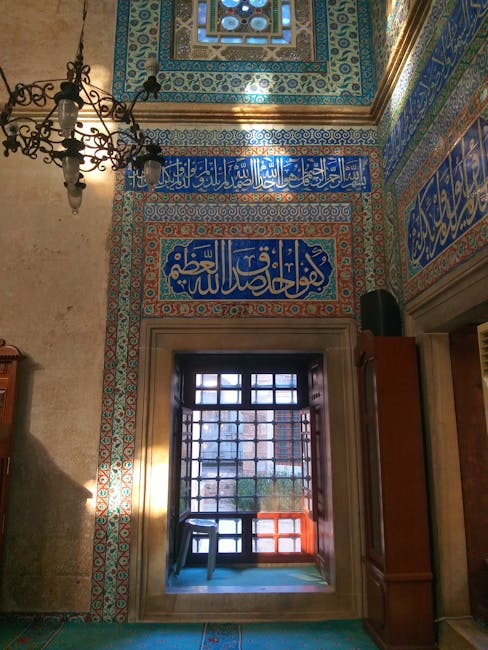
Pandeli Restaurant — The Egyptian Bazaar canteen, Ottoman flavors preserved (Adres: Mısır Çarşısı, Rüstem Paşa Mh., 34116 Fatih/İstanbul)
Pandeli Restaurant is one of Istanbul’s most photogenic historic eateries: situated at the entrance to the Egyptian Spice Bazaar (Mısır Çarşısı), its blue-and-yellow interior adorned with traditional tiles has drawn visitors for decades. Exact address: Mısır Çarşısı (Egyptian Spice Bazaar), Rüstem Paşa Mah., 34116 Fatih/İstanbul. Typical opening hours: usually open daily from 09:00 to 22:00 (hours may vary during religious holidays or bazaar maintenance). Price range: main courses typically run from €12 to €30; a mezzé platter for two costs around €18–€28; desserts €4–€8.
What sets Pandeli apart is a menu that marries inherited Ottoman recipes with classic lokanta dishes. Order a mezzé selection featuring creamy hummus, mildly spicy muhammara, yaprak sarma (stuffed vine leaves) and cacık (yogurt with cucumber and mint) to soak up the variety. Fish dishes, often served fresh depending on Bosphorus supply, are a great light and local option. Don’t miss the “Sultan’s-style lamb stew” when it’s available: a slow-cooked, laurel- and cumin-scented stew that speaks to the Ottoman workshop-style cuisine.
Ambience and tips: the historic dining room is small and fills up fast, especially in high season. For a quieter visit, aim for the first hour after opening or late afternoon after 15:00. Service is professional but can be brisk — Pandeli sees many international visitors. The spot pairs perfectly with a bazaar wander: buy spices first, then sit down to taste an age-old dish made on site. Payment: most places accept cards, but carry a few euros in cash for Turkish coffee or a piece of lokum for dessert.
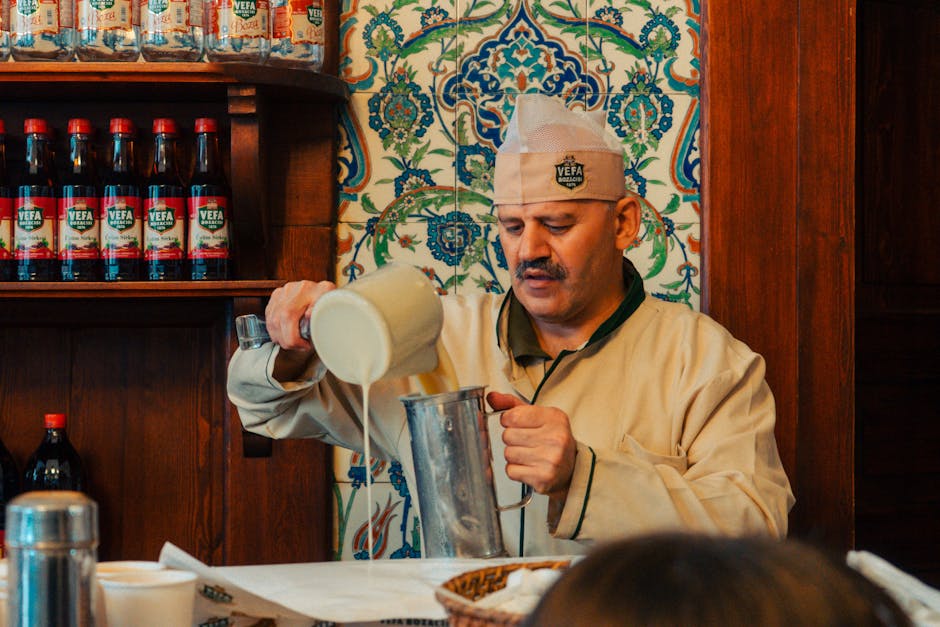
Vefa Bozacısı — The ancestral boza and its rituals (Adres: Vefa Mah., Kazancılar Cd. No:3, 34104 Fatih/İstanbul)
Vefa Bozacısı is the legendary spot to taste boza, a fermented millet- or wheat-based drink that’s sweet, slightly tangy, sprinkled with cinnamon and sometimes served with roasted chickpeas. Exact address: Vefa Mahallesi, Kazancılar Cd. No:3, 34104 Fatih/İstanbul (near the T1 tram stop, Vefa side). Hours: typically open from 07:30 to 20:00 (opening hours may be reduced on holidays). Price: a cup of boza costs roughly €1.50–€2.50; a small portion of roasted chickpeas (leynir) €0.50–€1.
Founded in the late 19th century, Vefa Bozacısı is more than a shop: it’s a winter ritual. Boza is traditionally served late in the day and in winter because its fermented nature and mild warming effect have long been associated with colder months. The texture is thick, almost creamy, with cinnamon adding an aromatic contrast. Locals often stop by for a cup after an evening stroll or after a hammam. The counter is small, a few wooden stools, and a large copper pot where boza is stirred and ladled out — the setting is simple, authentic and extremely photogenic.
Practical tips: Vefa gets busy with locals, especially in autumn and winter. If you’re not a fan of thick textures, try a small portion first. Staff are usually friendly but can be quick during busy times; smile and say “bir tane lütfen” (one cup, please). The shop sometimes sells jars to take home — a tasty edible souvenir. For travelers, have cash on hand for quick purchases — euro price equivalents can vary with exchange rates, so budget around €2 per person to sample the drink.
Hafız Mustafa 1864 — Centuries-old confections and baklavas (Adres: Hobyar Mah., Hamidiye Cd. No:84, 34112 Fatih/İstanbul, Sirkeci branch)
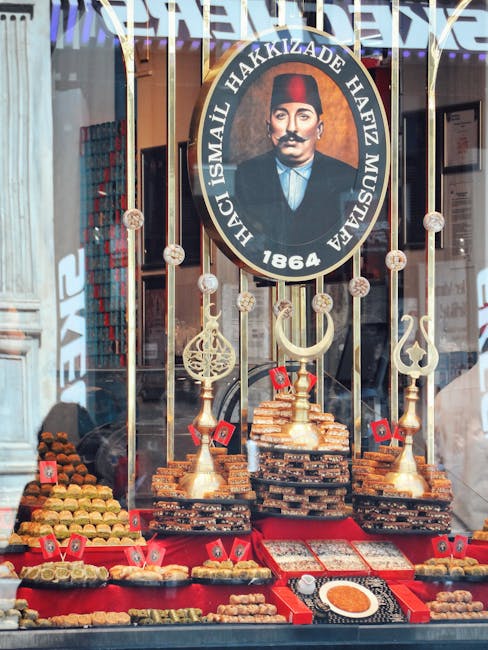
Hafız Mustafa 1864 is synonymous with Ottoman desserts and classic Turkish pastries. One historic location sits at Hobyar Mah., Hamidiye Cd. No:84, 34112 Fatih/İstanbul (Sirkeci neighborhood, close to the station and the Bosphorus). Typical hours: often 08:00–01:00 (some branches stay open late — great for a dessert after an evening out). Prices: a portion of baklava €3–€6 depending on variety; a dessert platter for two €8–€18; a Turkish coffee €1.50–€3.
Since 1864, Hafız Mustafa has built a reputation for top-quality pistachios, the crisp layers of baklava pastry and the silky consistency of künefe (cheese baked between shredded pastry). The interior mixes a classic tea-salon feel with a modern pastry shop: large display cases of sweets, white tablecloths and warm wood tones. For a full experience, order a platter with pistachio baklava, kadayıf and a small warm künefe served with kaymak (clotted cream). The precision in baking and the quality of the syrup are what set these desserts apart — never overly sweet or greasy, but intensely flavorful.
Local tip: Hafız Mustafa is popular with tourists and local families alike. For a more authentic vibe, pick a table inside and watch the pastry-making through the display — you’ll often see artisans cutting pastry and layering sweets. Portions can be generous; share desserts to sample more varieties. Some customers prefer pairing their sweets with a strong Turkish black tea rather than coffee. Note that modern branches exist across neighborhoods; the flagship remains the reference for history and atmosphere.
Çiya Sofrası — The laboratory of Anatolian cuisines (Adres: Caferağa Mah., Güneşlibahçe Sk. No:43, 34710 Kadıköy/İstanbul)
If you want to explore Anatolia’s culinary diversity within a contemporary historic canteen, Çiya Sofrası in Kadıköy (Asian side) is a must. Address: Caferağa Mah., Güneşlibahçe Sk. No:43, 34710 Kadıköy/İstanbul. Hours: generally open from 10:00 to 00:00, and some nights until 02:00 depending on season and local events. Prices: starters and mezzes €3–€8; main courses €6–€18; a full meal for one €10–€25.
Çiya is not a museum, but a living laboratory: the chef has documented and revived forgotten regional recipes — from spicy pitas of the southeast to dairy-based stews from the Black Sea. Dishes change with the seasons and local supply, and there’s a strong focus on vegetables and fermented preparations. The decor is simple, almost canteen-like, but the cuisine is complex and educational: labels on the dishes, servers who’ll explain origins, and tasting-menu options for those who want a structured intro.
Practical advice: Çiya sits in a lively neighborhood, easily reached from Kadıköy station and ferries. Arrive early to avoid queues, especially on weekends. If you love discovering new things, ask staff for the daily dish or a regional selection to try lesser-known items like mumbar (stuffed intestines) or the many varieties of dolma. Portions are often made for sharing: plan to order several small plates to taste a range. Payment: cards accepted, but check for vegetarian options and notify staff of any allergies.
Asitane Restaurant — Ottoman palace-style meals near the historic complexes (Adres: Kariye Mh., Atpazarı Cd. No:7, 34087 Eyüpsultan/İstanbul)
Asitane is an ambitious culinary project that recreates dishes served at the Ottoman palaces using historical sources. Exact address: Atpazarı Caddesi No:7, Kariye/Chora area, Eyüpsultan (near the Kariye church/museum). Hours: generally open for lunch and dinner, often from 12:30 to 22:30; reservations are highly recommended. Prices: tasting menus or palace-inspired meals €20–€45 per person; individual starters €6–€14.
Asitane’s menu is the product of culinary-historical research: ancient manuscripts, palace records and transcribed recipes allow the kitchen to present dishes with evocative names (e.g. “Imperial lamb with quince and pomegranate,” “Rosewater sugar-coated nuts”). The dining room is understated, almost museum-like, and the plate presentations aim to evoke the opulent yet arcane courts of the Ottomans. The interplay of spices, dried fruits and traditional preservation methods comes alive here: slow cooking, complex marinades and nearly forgotten sauces are given a contemporary voice on the plate.
Visiting tips: Asitane draws food lovers and those seeking a more reflective dining experience. Book ahead, especially in high season. Ask for the “imperial tasting” menu if you want a guided journey through textures and flavors — it’s the best way to grasp a palace meal’s progression. Staff usually explain the history behind each dish, adding context to the tasting. For tighter budgets, order a main course and share a dessert to maintain intensity without inflating the bill.
Practical tips for visiting Istanbul’s historic eateries
1) Hours and seasonality: Many historic eateries keep stable hours but may adapt menus with the seasons and religious holidays. In summer some pastry shops stay open later; in winter boza and other fermented beverages appear more often. Always check opening times locally or online before planning a visit.
2) Budget: The prices in this guide are estimates in euros to simplify planning. Conversions fluctuate with exchange rates — allow a ±10% margin. For a full meal in a modest historic eatery, expect about €10–€25 per person; for tourist-favored houses or tasting menus, €25–€45.
3) Payment: Historic spots typically accept cash and cards; however, in small stalls (e.g. boza, simit) prefer cash. Keep coins for tips or small market purchases.
4) Language and interaction: Many servers speak some English in tourist areas. Learning a few basic Turkish phrases (thank you — teşekkür ederim, please — lütfen) is appreciated and smooths interactions. To ask for a recommendation, say “Ne tavsiye edersiniz?” (What do you recommend?).
5) Allergies and preferences: Historic kitchens are proud of their traditional recipes, which often include nuts, gluten and dairy. State allergies clearly and ask for alternatives. Most lokantas offer vegetarian options, but check cooking methods (butter vs. oil).
6) Best times to visit: For lokantas, lunchtime (12:00–14:00) is peak — arrive early if you want a seat without waiting. Pastry shops and tea salons are perfect in the afternoon (15:00–17:00). Eateries near tourist sites are busiest between 10:00 and 16:00; for more tranquility choose early morning or evening.
Conclusion — Eating through history: more than taste
Istanbul’s historic eateries offer more than a meal: they deliver a cultural immersion. Every bite tells a story of trade, regional influences and family adaptations. Visiting Pandeli, sipping boza at Vefa, losing yourself in Hafız Mustafa’s sweets, exploring Anatolian flavors at Çiya or reliving palace cuisine at Asitane maps out a culinary route that intersects social history, rituals and modern life.
This guide aimed to be both practical and sensory: exact addresses, common hours and price ranges in euros help with planning, while immersive descriptions and local tips prepare you to appreciate the details. By dining at these spots you support often family-run crafts, contributing to the preservation of living heritage. One final tip: keep an open mind — Istanbul’s cuisine blends simplicity and complexity, and the best discoveries sometimes come from ordering what’s recommended at the counter or accepting a small portion offered proudly by a server.
Prepare your palate, note these addresses and let the aromas guide you. Each eatery has its hour, its ritual and its specialty — and together they form the culinary puzzle that makes Istanbul a one-of-a-kind metropolis. Enjoy the journey and afiyet olsun!