




Introduction — Why timing matters when visiting Hagia Sophia and the Bosphorus in Istanbul
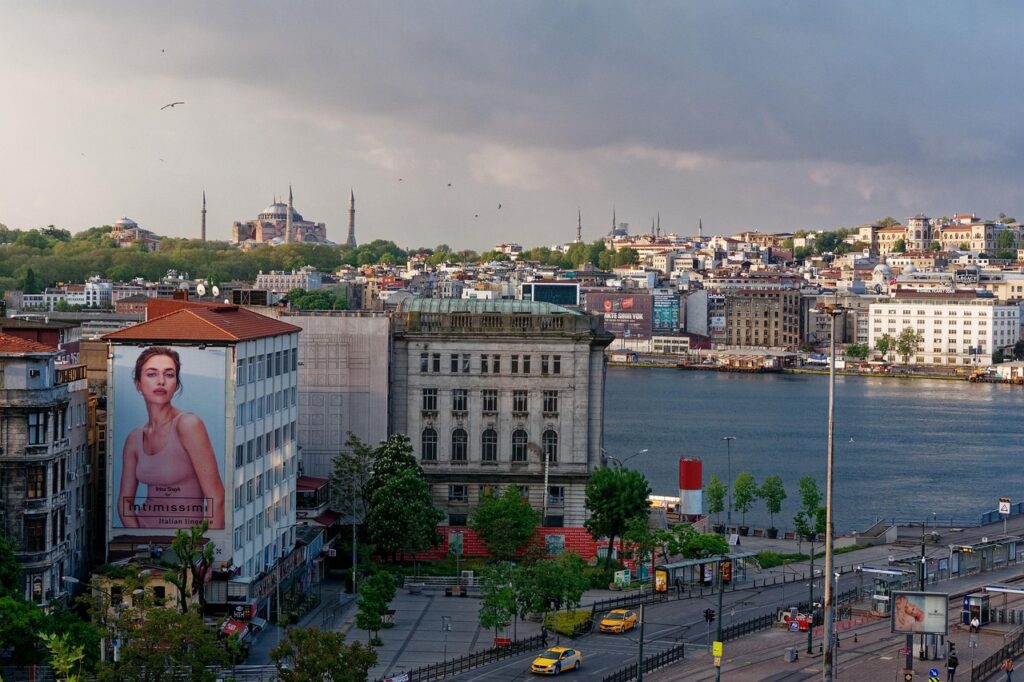
Istanbul is a city of contrasts where East meets West on a peninsula wrapped by water. At the heart of this millennia-old metropolis, Hagia Sophia (Turkish: Ayasofya, officially Ayasofya-i Kebir Camii Şerifi) and the Bosphorus offer two complementary experiences: one is an architectural and spiritual masterpiece, the other a living maritime corridor full of panoramas, Ottoman waterfront mansions and historic port towns. Choosing the right time to see them has a big impact on your trip: weather, photography light, crowds, access during religious services, and cruise availability all matter. This guide is practical and nuanced, designed to help you plan with concrete info, exact addresses, price ranges in euros, typical opening times and local tips.
Your Hagia Sophia experience shifts with the seasons. In spring, gardens and changing light inside can feel almost mystical; in summer, heat and crowds can make a visit tiring, especially during the five daily prayers when access for non-Muslim visitors is temporarily paused. In autumn, the golden evening light highlights mosaics and vaults; in winter, rain and crisp air lend an intimate atmosphere for visitors seeking refuge in the monument’s vastness.
The Bosphorus is strongly seasonal: sailing is most pleasant in spring and autumn when seas are calm, visibility is good and temperatures are comfortable. Summer draws huge demand for tourist cruises and crowded quays — still, summer sunsets over Ottoman palaces and bridges remain magical. In winter, mist or rain can make crossings atmospheric but less photogenic; on the plus side, prices are often lower and waterside cafés take on a more local, relaxed vibe.
This guide is written in an informative, professional style: it lists usual time slots, exact addresses, estimated prices in euros (with a note that rates can change), and practical pointers to help you get the most from each visit. You’ll find season-by-season recommendations, crowd-avoidance tips, suggested same-day itineraries combining Hagia Sophia and a Bosphorus cruise, plus concrete details like ports, operators and ticket types.
When to visit Hagia Sophia: seasons, opening times, access and practical tips
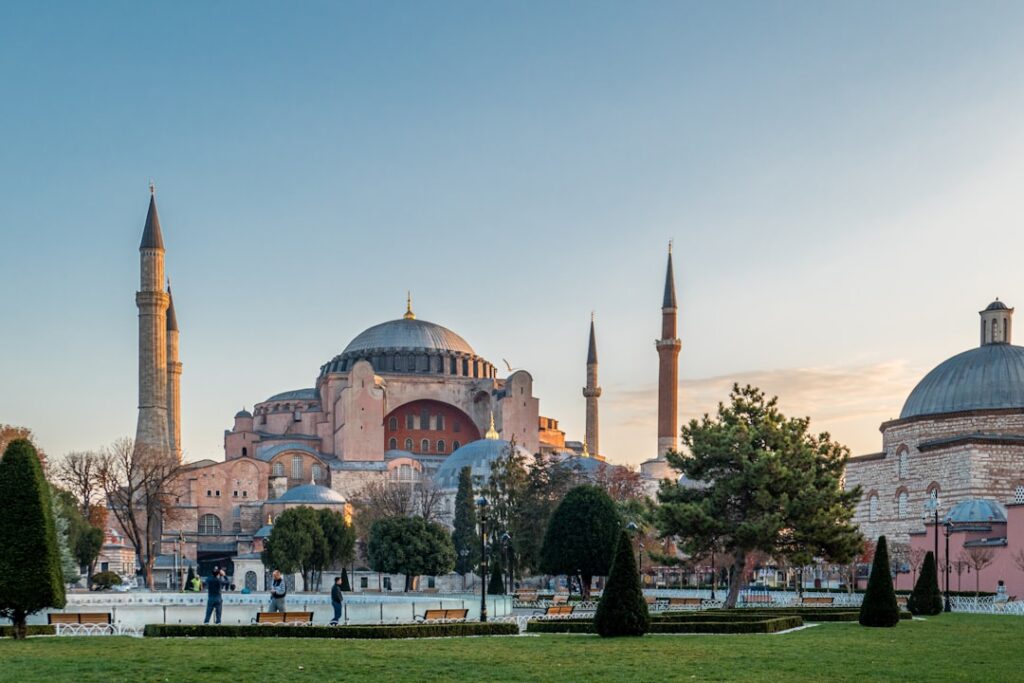
Hagia Sophia sits on the square that shares its name: Ayasofya Meydanı, Sultanahmet, 34122 Fatih/İstanbul, Turkey. Full address to use: Ayasofya Meydanı, Sultanahmet, 34122 Fatih/İstanbul, Türkiye. Since 2020 it primarily functions as a mosque (Ayasofya Grand Mosque). Access is generally free to the public, though paid guided tours and audio guides are offered by private operators. Here are the key practical details:
- Typical opening hours: open to the public roughly 09:00–19:00 (varies by season). The five daily prayers — Fajr, Dhuhr, Asr, Maghrib, Isha — cause temporary closures for non-Muslim visitors, usually lasting 20–40 minutes per service. Prayer times change daily with the lunar calendar; check the mosque’s official site or Istanbul tourist information before you go.
- Price: free to enter as a mosque. For a deeper experience, expect to pay between €15 and €45 for a small-group guided tour (1.5–2 hours), and €5–€10 for an audio guide supplied by private providers. Nearby museums or temporary exhibitions may charge separate fees.
- Dress code: as a place of worship, visitors should respect standards: shoulders and knees covered, and women should have a headscarf to enter the prayer area during service times. Scarves are sometimes available at the entrance, but bringing your own is more respectful and faster.
- Best times of day: to beat the tourist crowds, target the early opening hours (09:00–10:30) in low season, or late afternoon outside prayer times — especially outside July–August. In spring (April–May) and autumn (September–October), morning and evening light is ideal for both interior and exterior photography.
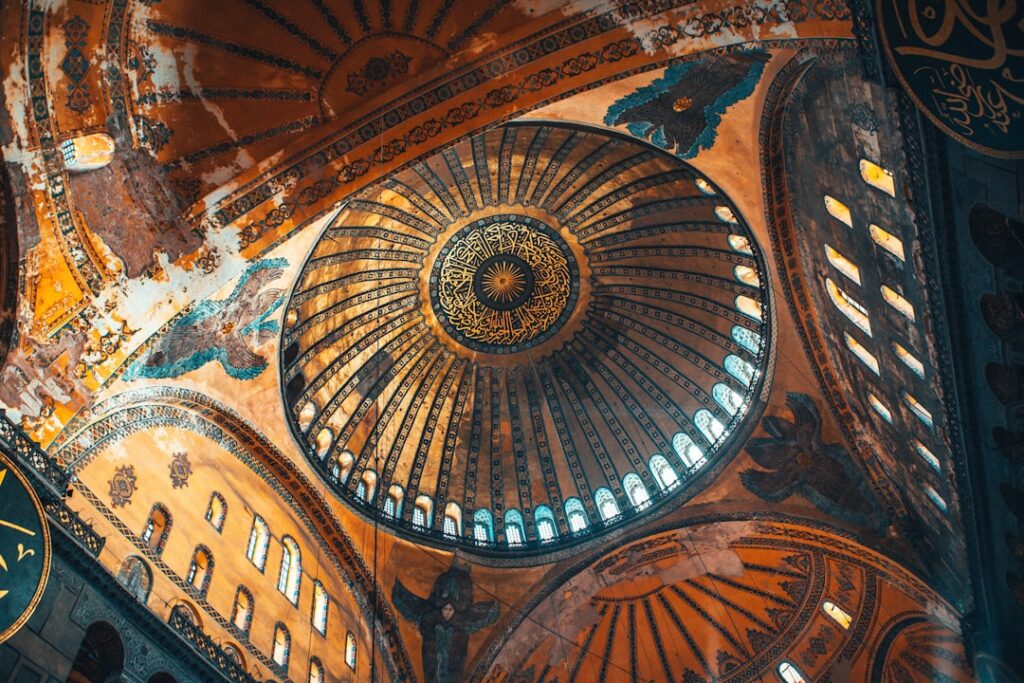
Visiting Hagia Sophia first thing gives you not only fewer people but the chance to enjoy natural light streaming through the high windows. The interior is vast and its details — columns, Byzantine mosaics, calligraphic panels — reward time and attention. Photographers will love the morning light for its way of bringing out gilding and patterns, while late afternoon casts warmer tones.
In high season (June–August), expect to share space with tour groups. Organized groups often arrive by bus or cruise ship; allow extra time for security checks and stair climbs. For a more intimate visit, book an early private guided tour (typical private-guide rates: €120–€250 for up to 6 people, depending on length and inclusions).
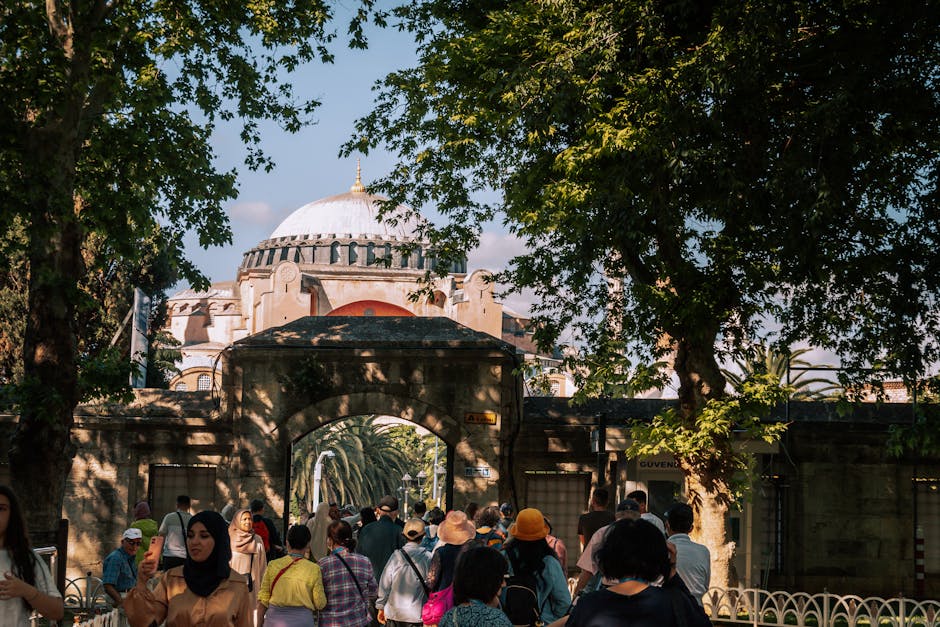
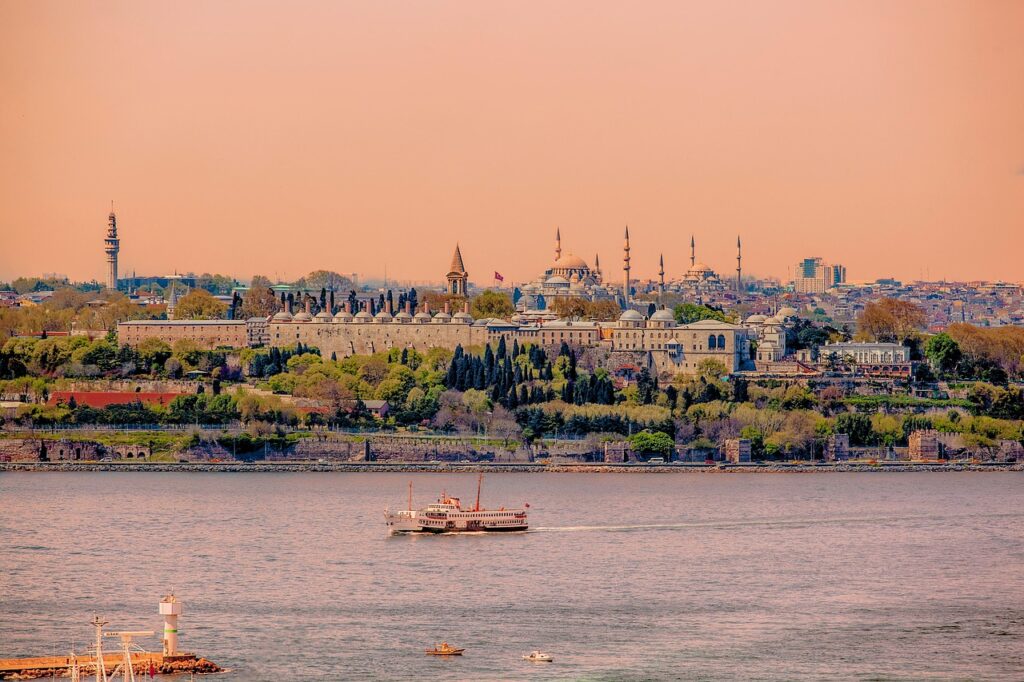
One practical note: Hagia Sophia is in the heart of Sultanahmet, close to the Blue Mosque (Sultanahmet Camii, address: Atmeydanı Cd. No:7, 34122 Fatih/İstanbul), Topkapi Palace (Cankurtaran, 34122 Fatih/İstanbul) and the old Hippodrome. You can easily plan a walking loop that includes these sites. Allow 2–3 hours for Hagia Sophia alone, more if you’re combining other monuments.
When to cruise the Bosphorus: cruise options, departure points, prices and best seasons
The Bosphorus is Istanbul’s maritime soul: a 30 km strait dividing the European and Asian sides. The most used boarding points for tourist cruises are Eminönü, Beşiktaş, Kadıköy and Üsküdar. Here are addresses and practical details for the main options:
- Eminönü Ferry Terminal (Eminönü İskelesi) — Address: Rüstem Paşa, 34116 Fatih/İstanbul. The central hub for public ferries and short excursions. Frequent departures: roughly 06:00–22:30 depending on route.
- Beşiktaş Ferry Terminal (Beşiktaş İskelesi) — Address: Çelebioğlu Mh., Wellesley Cd., 34353 Beşiktaş/İstanbul. A convenient point for services heading to the northern Bosphorus and public ferry links.
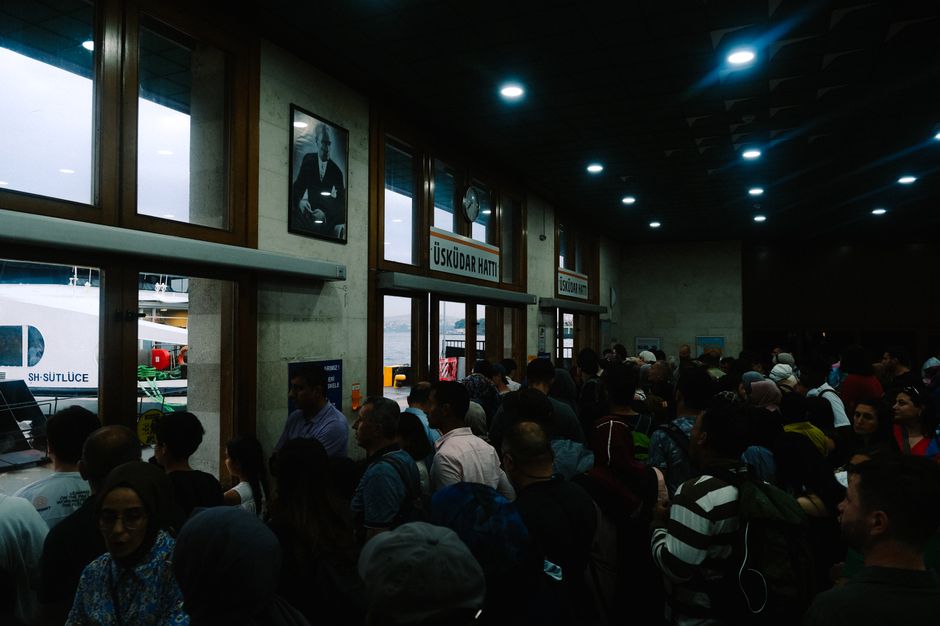
- Kadıköy & Üsküdar — to board from the Asian side: Kadıköy İskelesi (Address: Rıhtım Cd. 43, 34710 Kadıköy/İstanbul) and Üsküdar İskelesi (near Harem İskelesi). Timetables are similar to cross-strait lines, often 06:00–23:00.
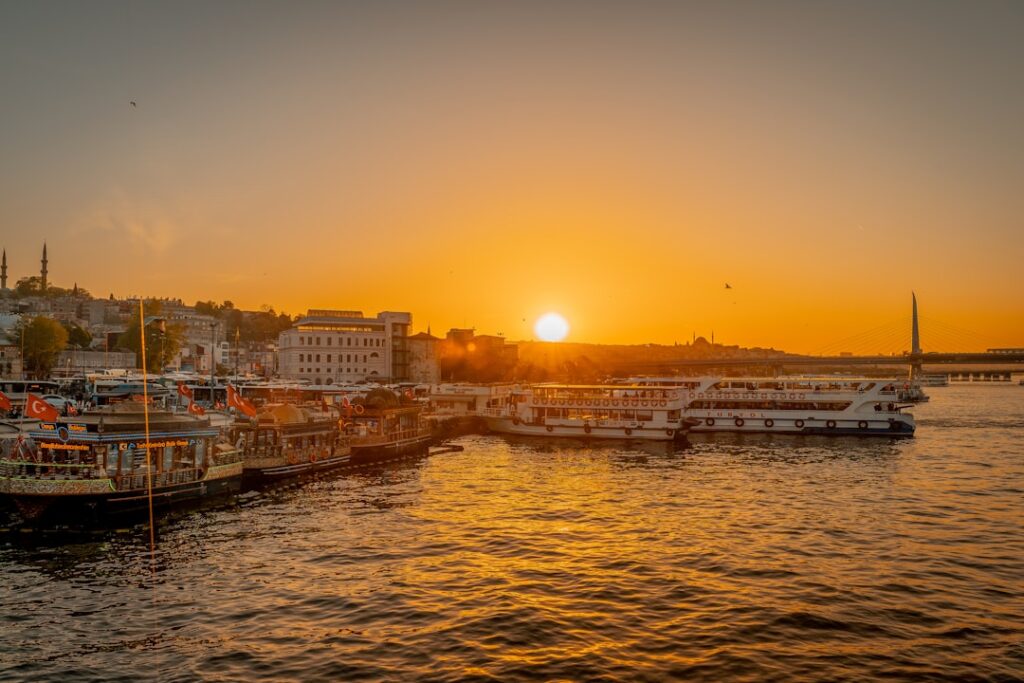
Cruise options and typical prices (in euros):
- Public ferry operated by Şehir Hatları (short Bosphorus cruise): one-way fares usually between €2.00 and €4.00 (depends on route and Istanbulkart; cash payment may be limited after local conversion). These ferries are the most economical way to see many landmarks from the upper deck.
- Short Bosphorus tour (2 hours) – tourist operator: typical rates between €12 and €25 per person depending on season, often including multilingual audio commentary. Departures commonly from Eminönü and Kabataş; duration about 1.5–2 hours.
- Private yacht or gulet rental: for an exclusive experience, budget €150 to €600 for a half-day or evening depending on boat size and passenger count (usually price per boat, not per person).
- Sunset cruises with dinner: typically €30 to €70 per person for a cruise with buffet and entertainment, lasting 2.5–3 hours.
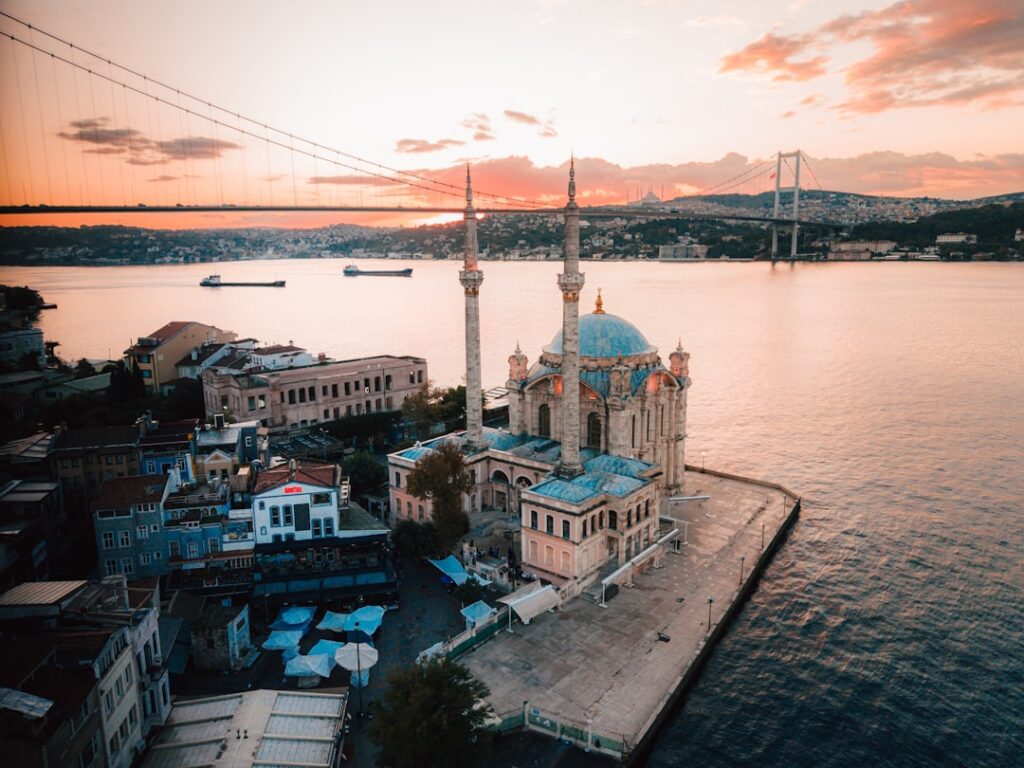
Best seasons for Bosphorus cruising:
– Spring (April–June): the prime season for Bosphorus sailing. Temperatures are pleasant (15–25 °C), the sea is generally calm and shoreline vegetation is lush. Skies are often clear, offering excellent visibility for photographing Ottoman palaces, wooden waterfront mansions and Byzantine forts.
– Autumn (September–October): soft light, moderate temperatures (17–25 °C) and fewer crowds. Autumn sunsets over the Bosphorus can be spectacular and less congested than in summer.
– Summer (July–August): very busy. If you travel in summer, pick a late-afternoon or sunset cruise to catch a breeze and softer light. Book ahead — departures fill quickly.
– Winter (November–March): sailing is possible but more unpredictable; seas can be choppy and visibility reduced. Prices are usually lower and the experience feels more « authentic » if you like misty atmospheres and empty quays.
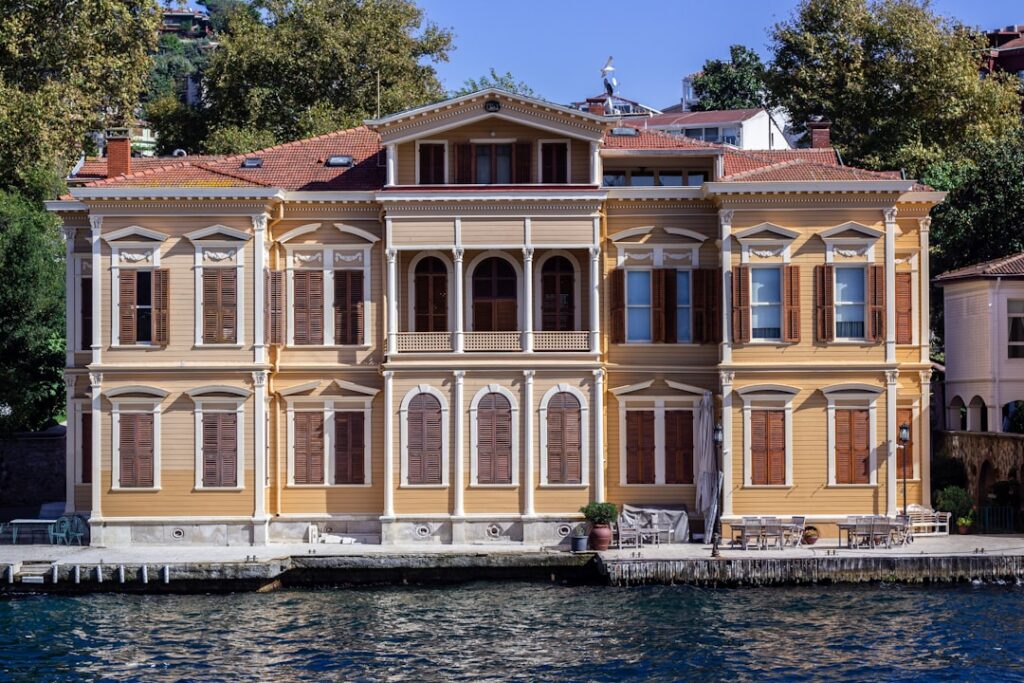
Practical tips: bring a windproof jacket for cruises, especially in the evening; carry sun protection and water in summer. If using public ferries with an Istanbulkart, top up your card in advance (reduced fares apply). For an ideal combo, visit Hagia Sophia in the morning (or late afternoon) and book a Bosphorus cruise for sunset — a classic but reliable plan.
Local tips, route combinations and practical recommendations to make the most of your visit
A well-paced day in Istanbul can include Hagia Sophia and a Bosphorus cruise without feeling rushed. Below are sample itineraries, logistical tips and local advice from guides and residents:
- Morning + afternoon itinerary: Book Hagia Sophia for opening (09:00): allow 1.5–2 hours to explore the interior and the square. Then walk to Topkapi Palace (Cankurtaran, 34122 Fatih/İstanbul — open 09:00–18:00, museum ticket around €12–€18 depending on exhibitions) or the Blue Mosque (open outside prayer times). Take the T1 tram from Sultanahmet to Eminönü (Eminönü stop) to catch a 2-hour cruise at 16:00 or 17:00 for sunset.
- Evening itinerary: to avoid summer heat, visit Hagia Sophia in late afternoon (checking prayer times first) then head to the docks for a night cruise or dinner boat. City and bridge lights make for a stunning nighttime scene.
- Booking and tickets: private options are bookable online via operator websites. For public ferries, use an Istanbulkart (reloadable). Local guides suggest buying cruise tickets at the Eminönü kiosk early in the morning or reserving online for sunset departures.
- Avoiding queues: for Hagia Sophia, arrive at opening or after the last evening prayer. For Bosphorus trips, avoid midday departures in summer — prefer morning or late afternoon.
- Safety and respect: as Hagia Sophia is an active place of worship, avoid visiting during prayers if you don’t intend to follow the expected etiquette. Keep personal belongings secure and be mindful of pickpockets in busy tourist areas like Eminönü.
Additional practical info:
- Transport: the T1 tram line (Kabataş–Bağcılar) serves Sultanahmet and Eminönü; it’s convenient and economical. Taxis are available but traffic can be slow at peak times.
- Currency and payments: the Turkish lira is the local currency. Many operators accept cards, but some small boats and street vendors prefer cash. Prices are shown in euros here for comparison, but carry lira for small purchases.
- Language: tourist staff often speak English; for French-speaking guides book in advance. Cruise audio commentary is usually multilingual (Turkish, English, sometimes French).
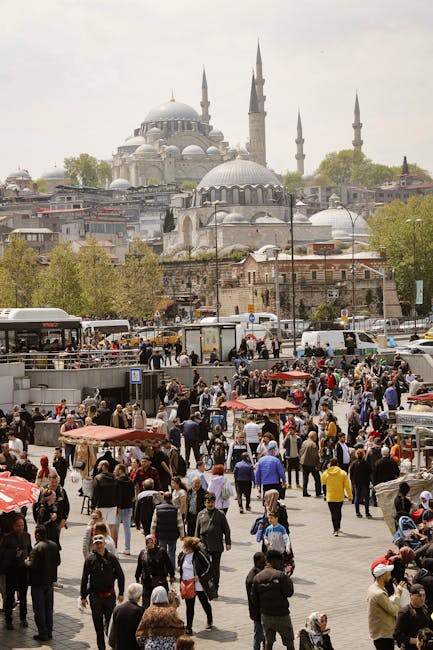
Finally, tailor your plan to your photographic or cultural priorities. Photographers should favor dawn for Hagia Sophia and sunset for the Bosphorus. For cultural immersion, take a deep guided tour of Hagia Sophia and book a cruise with a guide who can explain the history of palaces, bridges and fortresses lining the strait.
Conclusion — Summary of best times and final recommendations
In short, the best period to visit Hagia Sophia and the Bosphorus depends on what you value most: weather, crowds, photography or tranquility. For most visitors, spring (April–May) and autumn (September–October) are ideal: moderate temperatures, favorable light and more manageable crowds. During these seasons you can enjoy a morning visit to Hagia Sophia (Ayasofya Meydanı, Sultanahmet, 34122 Fatih/İstanbul) and a Bosphorus cruise at sunset with excellent conditions for photos and comfort.
Budget-conscious travelers will find winter attractive for lower prices and a quieter, more introspective vibe: Hagia Sophia sees fewer visitors and cruises are often discounted. Expect shorter days, wind and occasional fog reducing Bosphorus visibility. Summer suits those after Istanbul’s festive atmosphere, but be prepared for heat and queues — a good tactic is an early visit combined with a late cruise.
Key practical reminders: Hagia Sophia currently functions mainly as a mosque (free entry in most cases; guided tours cost around €15–€45) and visiting hours can be interrupted by daily prayers — check times the day before. For the Bosphorus, options range from economical public ferries (about €2–€4 per trip) to tourist cruises (€12–€70 depending on type) and private yachts (€150–€600 for a half-day). Main embarkation points are Eminönü İskelesi (Rüstem Paşa, 34116 Fatih/İstanbul), Beşiktaş İskelesi (Çelebioğlu Mh., Wellesley Cd., 34353 Beşiktaş/İstanbul) and the Asian-side docks at Kadıköy and Üsküdar.
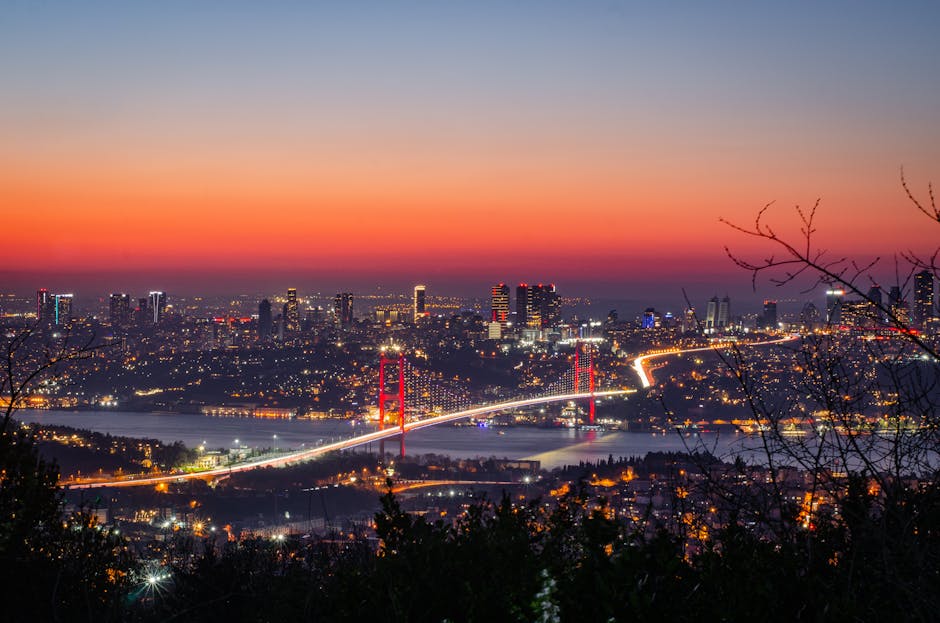
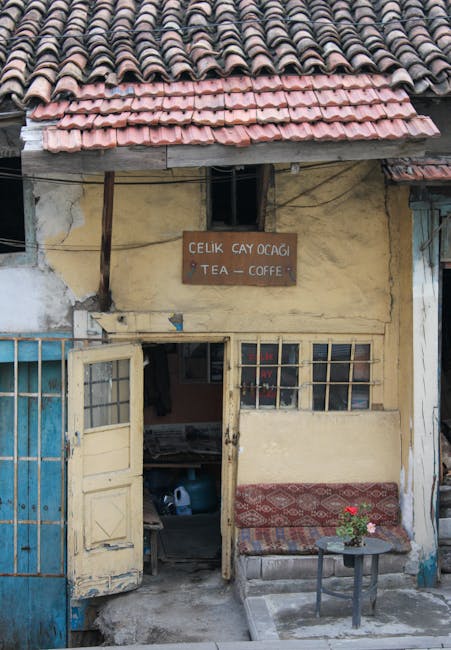
Above all, give yourself time to feel the city: sip a çay at a waterside tea house, wander Sultanahmet’s alleys after your visit, and keep an eye on the religious calendar and local events (national holidays, Ramadan) that can change the vibe and opening times. Istanbul is discovered as much through everyday moments as through its monuments — timing your visits to Hagia Sophia and the Bosphorus right will help you take home richer, longer-lasting memories.