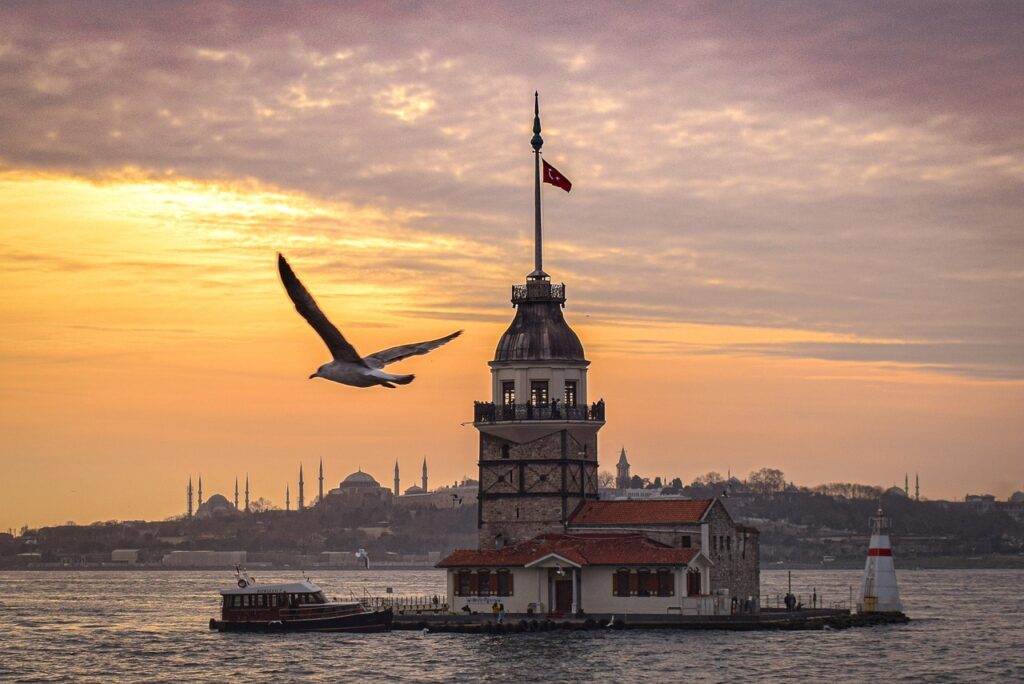






Introduction — Getting Around Istanbul: Context and Atmosphere
Istanbul is a global city where Europe meets Asia — a sprawling metropolis of over 15 million people stretching across two shores divided by the Bosphorus. Getting around here is more than logistics: it’s a full sensory experience. The public transport options — metro, tram, funiculars, ferries and suburban trains — form a dense, complementary network that links the historic districts of Sultanahmet, the business hubs of Levent and Maslak, and the vibrant shores of Kadıköy and Üsküdar. To make the most of this variety, though, you need to know the main lines, typical schedules, payment cards, and a few local tips to dodge crowds and delays.
This complete guide offers practical, detailed information: exact addresses of major stations and piers, prices in euros (estimates to help planning), general timetables for each transport mode, immersive route descriptions, and on-the-ground tips. Whether you arrive at the airport, stay in Taksim, or base yourself in historic Sultanahmet, this guide will help you pick the best options for daily travel and sightseeing.
We cover key metro lines like M2 (Taksim — Hacıosman), M1 (Atatürk/Yeşilköy Airport — Yenikapı), Marmaray (the undersea tunnel linking Europe and Asia), as well as the T1 tram (Bağcılar — Kabataş via Sultanahmet) and both municipal and private ferries that cross the Bosphorus. You’ll also find info on the Istanbulkart (rechargeable card used across the network), approximate fares in euros, typical operating hours (morning/evening), plus practical advice on safety, accessibility, and planning trips by time of day.
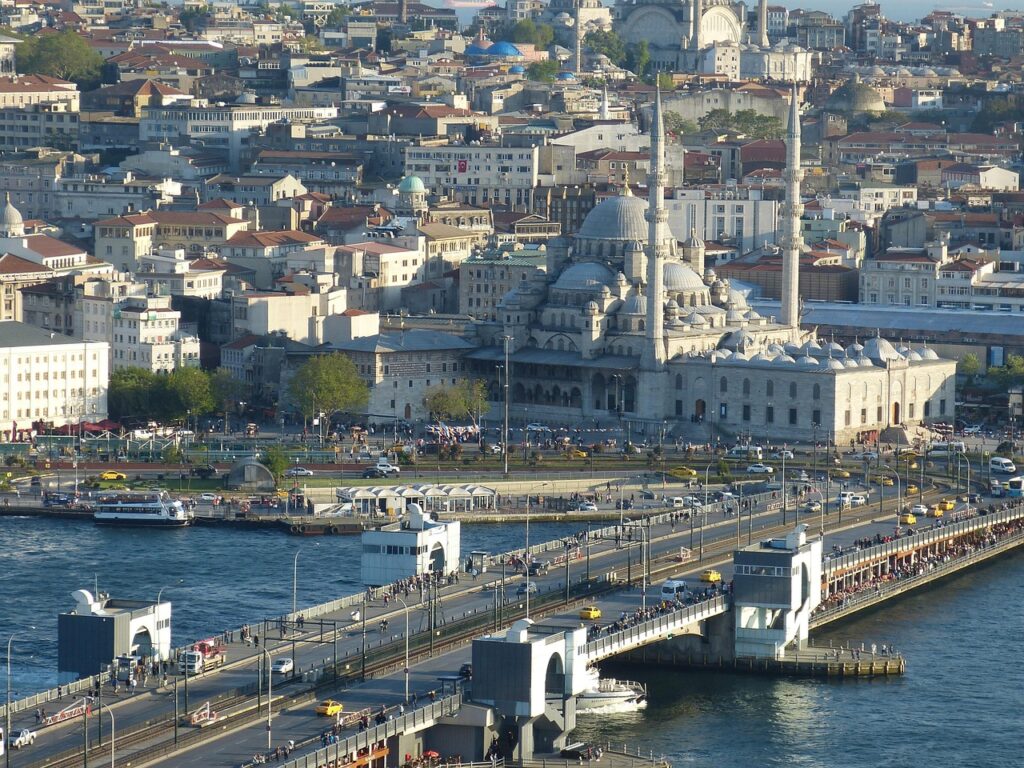
This guide is aimed at independent travelers, families, and business visitors alike. It favors a professional, pragmatic approach with clear instructions on how to buy and top up your Istanbulkart, plan intermodal journeys (metro + ferry, tram + funicular), and read schedules to avoid rush-hour crushes. The addresses point to main terminals and stations so you can quickly spot them on a map or paste a destination into your navigation app.
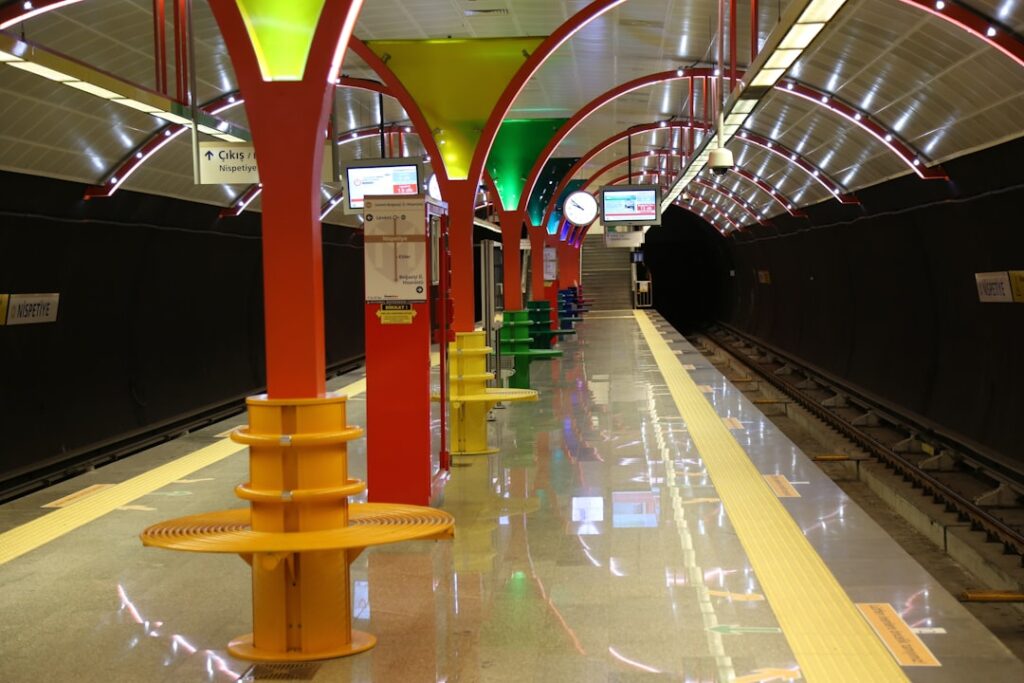
Istanbul Metro: Key Lines, Stations, Schedules and Tips
Istanbul’s metro is a modern, expanding network. The lines most useful for visitors are:
- M2 (Yenikapı — Hacıosman) : serves Taksim, Şişhane (for Galata) and Levent. Main station: Taksim Meydanı, Taksim 34437 Beyoğlu/İstanbul. Hours: roughly 06:00 — 00:30 (varies by section). Estimated fare: one standard trip ≈ €0.50 with Istanbulkart.
- M1A/M1B (Yenikapı — Atatürk Havalimanı/İkitelli/Otogar) : useful if you’re coming from Atatürk Airport (interconnected lines). Main station: Yenikapı İstasyonu, Yenikapı 34010 Fatih/İstanbul. Hours: 06:00 — 00:00. Fare ≈ €0.50.
- Marmaray (Gebze — Halkalı) : the undersea rail tunnel linking Europe and Asia via Üsküdar and Ayrılık Çeşmesi. Central station: Marmaray Yenikapı, Yenikapı İstasyonu, 34010 Fatih/İstanbul. Hours: 06:00 — 00:30 (high frequency during peak times). Fare ≈ €0.50 — €0.70 depending on tariff brackets.
- M4 (Kadıköy — Sabiha Gökçen / under construction in sections) : serves the Asian shore, main station Kadıköy Rıhtım Cd. No:1, 34710 Kadıköy/İstanbul. Hours: 06:00 — 00:00. Fare ≈ €0.50.
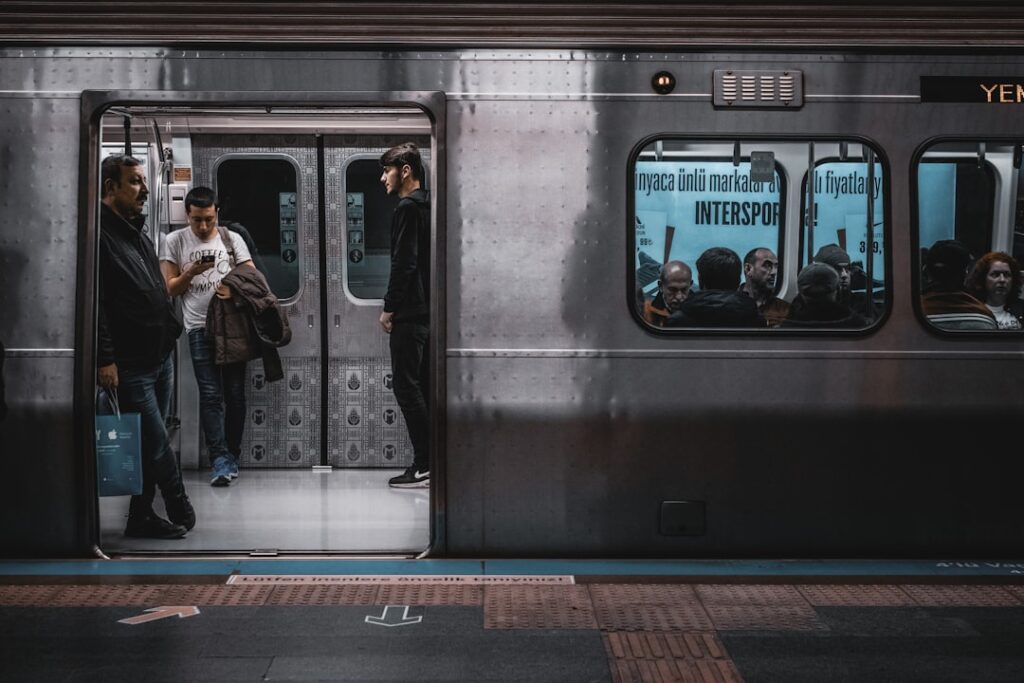
Immersive descriptions: take the M2 from Taksim early in the morning — the train passes through modern stations and then dives toward the business districts of Levent, with windows framing the dense urban landscape. The Marmaray offers a nearly cinematic transition: you leave a European surface station, dive under the sea, and emerge on the Asian side, often within a 4–6 minute tunnel ride. Comfort varies by time of day; metro trains are air-conditioned and display information in Turkish and English.
Practical tips:
- Buy an Istanbulkart on arrival (ticket machines and manned booths are in major stations). Initial card cost ≈ €2.00 — top-ups start from around €1.00; the card enables discounted intermodal transfers.
- Avoid the M2 and Marmaray between 08:00–09:30 and 17:30–19:00: peak crowding. If you’re traveling with luggage, stick to off-peak hours or consider airport buses if you’re heavily loaded.
- Accessibility: most main stations have elevators and escalators, but some older or historic stations (near Sultanahmet) may have steps; plan accordingly.
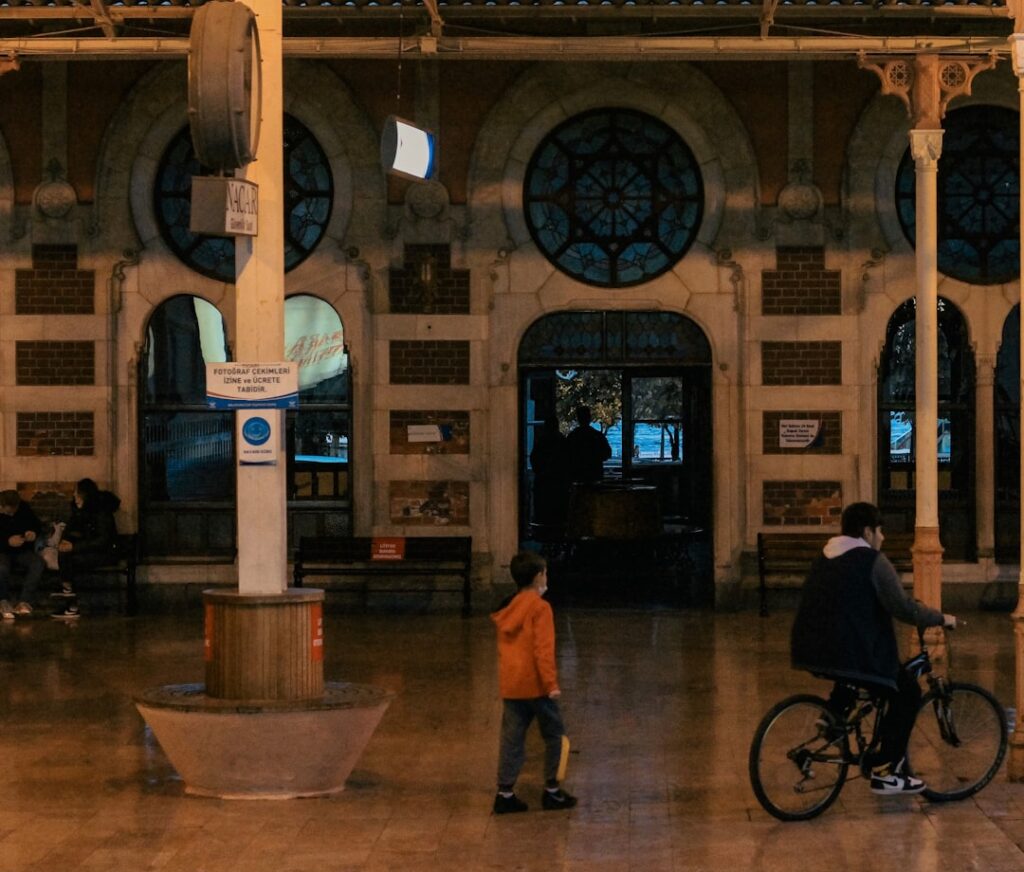
Trams and Funiculars: T1, T2, F1 — Tourist Routes and Addresses
The tram network is particularly valuable for visitors because it serves the historic and tourist areas directly. The most used line is T1 (Bağcılar — Kabataş):
- Tram T1 (Bağcılar — Kabataş) : serves Sultanahmet (stops Sultanahmet and Gülhane), Eminönü (for the spice market and ferry departures), and Kabataş (connection to the funicular up to Taksim). Key address: Eminönü İskelesi, Cumhuriyet Cd. No:1, 34126 Eminönü/Fatih/İstanbul. Hours: 06:00 — 00:30 (frequency 5–10 minutes daytime). Fare ≈ €0.50 per trip with Istanbulkart.
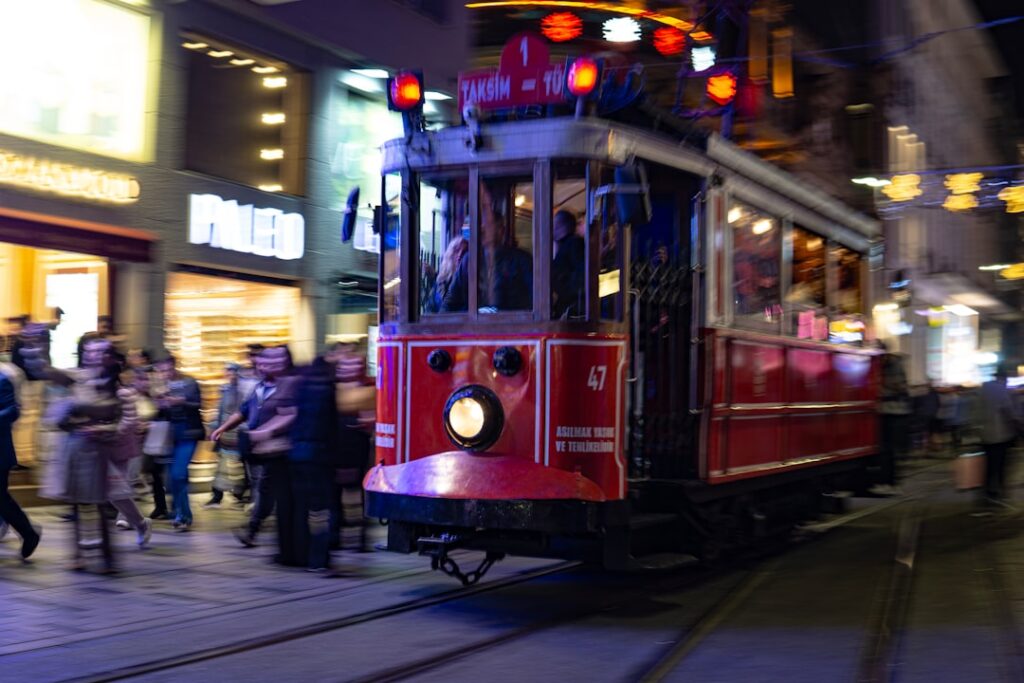
- Tram T2 (Taksim — Tünel / Nostalgic tram) : the nostalgic tram on Istiklal Street (T2) links Taksim to Tünel (near Galata) for a picturesque ride. Address: Taksim Meydanı, Taksim 34437 Beyoğlu/İstanbul. Hours vary, often 09:00 — 23:00 depending on season. Fare ≈ €0.50.
- Funicular F1 (Taksim — Kabataş) : a short, very useful link between Taksim and the ferry piers. Kabataş station: Kabataş İskelesi, Cihannüma Mh., 34353 Beşiktaş/İstanbul. Hours: 06:00 — 00:30, frequency 5–10 minutes. Fare ≈ €0.20–€0.40 when transferring with Istanbulkart (reduced rate).
Immersive description: hop on the T1 near the Blue Mosque, feel the tram’s gentle vibrations on the rails, and watch leather shops and simit sellers roll by at Eminönü. Get off at Kabataş, take the F1 funicular that rockets you up to Taksim in about 2 minutes — in a blink you go from a bustling waterfront to Istiklal Avenue, lined with cafés and bookstores.
Local tips:
- The T1 gets very busy between 10:00 and 16:00 with tourists. Try to catch the first runs of the morning to photograph Sultanahmet without the crowds.
- The nostalgic tram on Istiklal is perfect for a slow, scenic ride but it’s not fast: great for the experience, not for saving time.
- If you’re making a connection (tram → funicular → ferry), tap your Istanbulkart at every entry point; the system will automatically calculate the correct transfer fares within certain time windows.
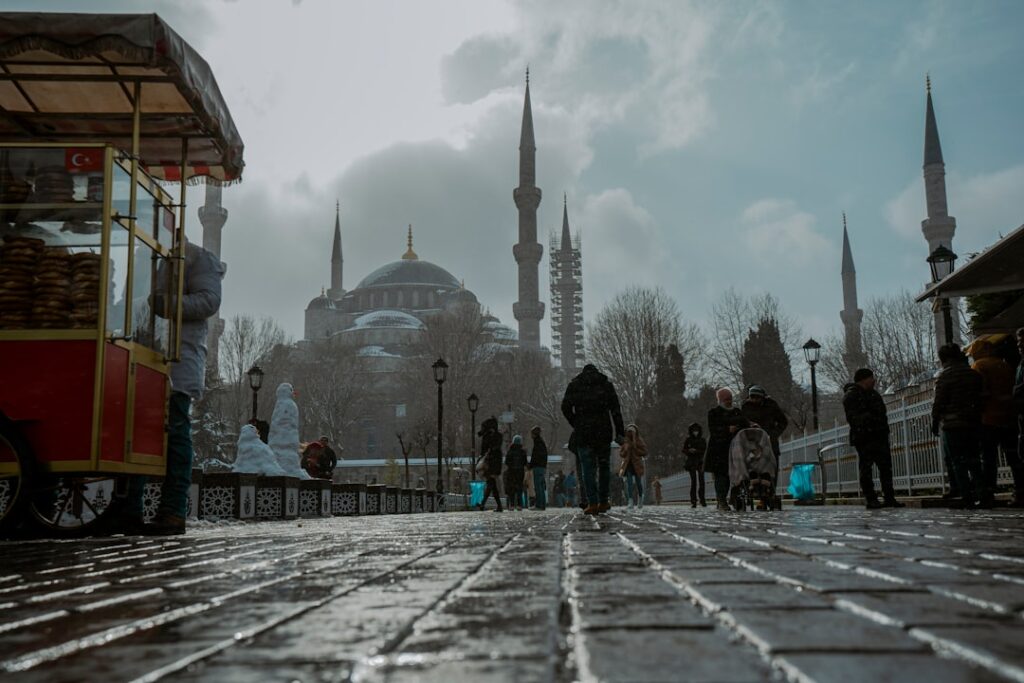
Ferries, Şehir Hatları, İDO and Marmaray: Crossings, Schedules, Addresses and Prices
Crossing the Bosphorus by ferry is one of Istanbul’s most memorable experiences. Several operators and types of crossings exist:
- Şehir Hatları (municipal company) : serves many routes between Eminönü, Karaköy, Beşiktaş, Kadıköy, Üsküdar and the Princes’ Islands. Main pier: Eminönü Ferry Terminal, Cumhuriyet Cd. No:1, 34126 Eminönü/Fatih/İstanbul. Hours: typically 06:00 — 23:00, frequency 15–30 minutes depending on the line. Prices: short trips (Eminönü → Üsküdar) ≈ €0.60 — €1.20; longer crossings ≈ €1.50 — €3.00.
- İDO (fast ferries and long-distance lines) : serves intercity and fast crossings across the Bosphorus and to ports, islands and Yalova. Main terminal: IDO Yenikapı Terminal, Kennedy Cd. No: 1, 34010 Bakırköy/İstanbul. Schedules vary; some crossings run early morning and late at night. Prices: €5.00 — €20.00 depending on distance and class (fast ferry).
- Marmaray (undersea train) : see the metro section for fast intercontinental usage. Key Asian-side station: Ayrılık Çeşmesi İstasyonu, İçerenköy Mah., 34752 Kadıköy/İstanbul. Fare ≈ €0.50 — €0.70.
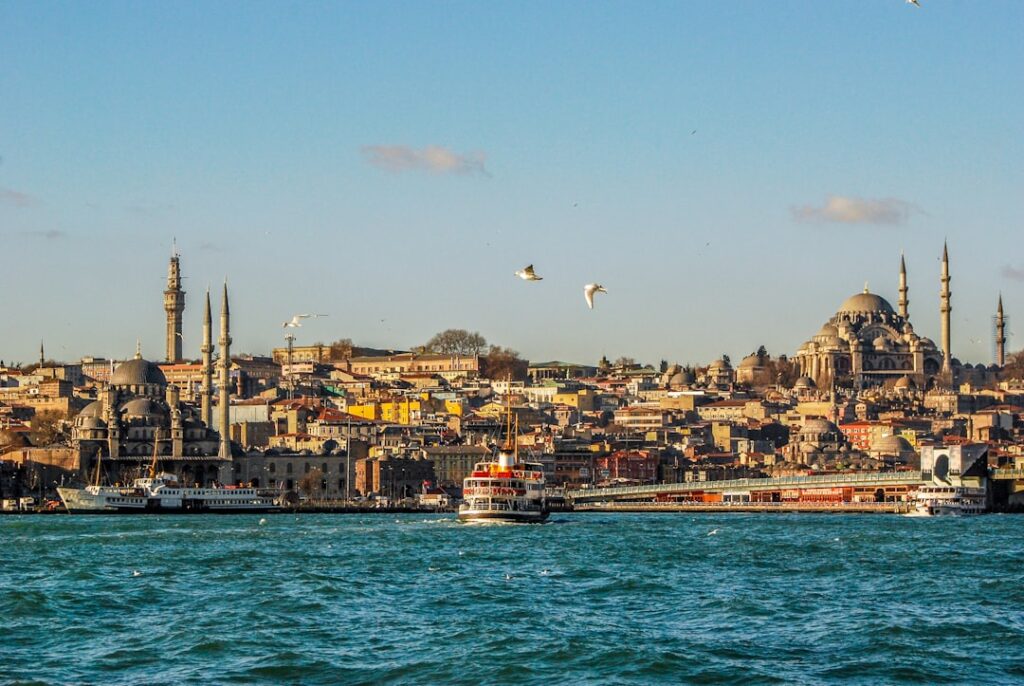
Immersive description: board at Karaköy at sunset and watch the silhouette of Süleymaniye Mosque cut against the sky, feel the salty breeze and see anglers lined up on Galata Bridge. Municipal ferries are roomy, with open decks free to enjoy the view; inside you’ll find kiosks selling tea and snacks. Crossings to the Princes’ Islands (Büyükada, Heybeliada) take longer (about 1 hour) and cost between €3.00 and €10.00 depending on operator and season.
Practical tips:
- Buy or top up your Istanbulkart before boarding: some İDO services require a separate ticket and do not accept the municipal card for long-distance services.
- For a standard crossing between Eminönü and Kadıköy: allow 20–30 minutes and budget ≈ €0.80; for Kabataş → Üsküdar (faster ferry), count on 10–15 minutes and ≈ €0.80–€1.50.
- Beware peak commuter hours in the morning (07:00–09:30) and evening (16:30–19:30) on ferries: they’re packed. The best views are outside these times.
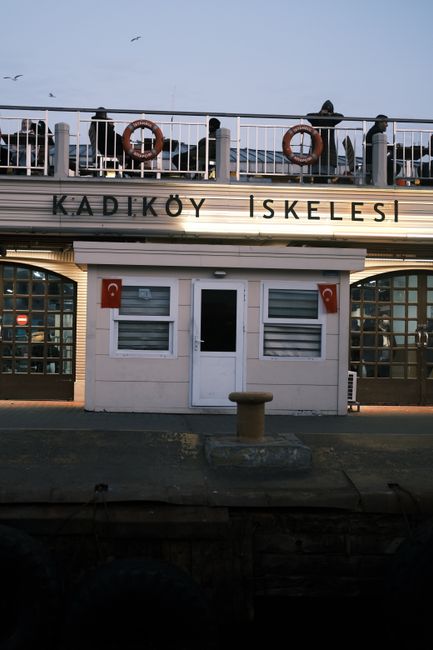
Practical Info: Istanbulkart, Detailed Fares, Safety and Local Tips
Istanbulkart is the key to public transport in Istanbul. It works as a rechargeable prepaid card valid on metros, trams, buses, funiculars, cable cars, municipal ferries and some suburban lines.
Purchasing and topping up:
- Where to buy: station booths (mainly in major hubs like Taksim, Yenikapı, Kadıköy), ticket machines and kiosks (bayii). Typical pickup address: İstanbulkart Sales Office, Yenikapı İstasyonu, 34010 Fatih/İstanbul. Physical card price: ≈ €2.00 (initial purchase), minimum top-up ≈ €1.00.
- How it works: tap at the entrance of each transport mode. The standard fare per trip is around €0.50–€0.70 (varies with subsidies and intermodal transfers).
Indicative fares in euros (estimates for planning):
- Single metro/tram/funicular trip: ≈ €0.50
- Short municipal ferry crossing: ≈ €0.60–€1.50
- Marmaray intercontinental: ≈ €0.50–€0.70
- Fast/long-distance ferries (İDO): €5.00–€20.00 depending on destination
- Airport shuttles (Havaist from airports): €3.00–€7.00 depending on destination — check the exact pickup point at your arrival airport
Safety and local behavior:
- Watch your belongings in very busy areas (Taksim, Eminönü, T1 line and Marmaray during peak hours). Pickpocketing is more common in crowds.
- Follow signage: there are boarding queues and well-marked transfer corridors; following the Turkish/English signs makes transfers much faster.
- Station staff may speak basic English; keep a card or your accommodation address in Turkish for taxis or when asking for directions.
Useful apps: Google Maps, Trafi, Moovit and the official IETT app for bus/tram schedules. For Şehir Hatları ferries, check the official Şehir Hatları site and for İDO, consult the İDO site for timetables and reservations. Always double-check schedules the day before if you plan very early or late trips (some services reduce frequency at night).
Conclusion — Summary and Recommendations for Smooth Travel
Getting around Istanbul blends the efficiency of a modern urban rail network with the traditional charm of ferry crossings. Picking up an Istanbulkart as soon as you arrive will simplify travel and cut costs. The metro (M2, M1, M4) and Marmaray are your best allies for longer journeys and intercontinental transfers; the T1 tram and funiculars are ideal for hitting historic sights and linking Taksim to the sea. Şehir Hatları ferries deliver an unmistakable panoramic experience — a trip worth taking as much for the view as for the transport itself.
A few golden rules: avoid rush hours when possible, plan your transfers (tram → funicular → ferry) and always tap your Istanbulkart; carry cash for kiosks and some İDO services; use local apps to check train and ferry times in real time. And leave time to enjoy the transitions: a short sunset ferry ride or a funicular climb up to Istiklal can turn a simple transfer into a lasting memory.
With these practical details — addresses for key terminals, price ranges in euros, typical schedules and on-the-ground tips — you’re ready to get around like a local and enjoy Istanbul without stress. Safe travels and enjoy discovering the shores, tunnels and tracks of this vibrant metropolis.