





Introduction — Halal in Istanbul: a historical and cultural overview
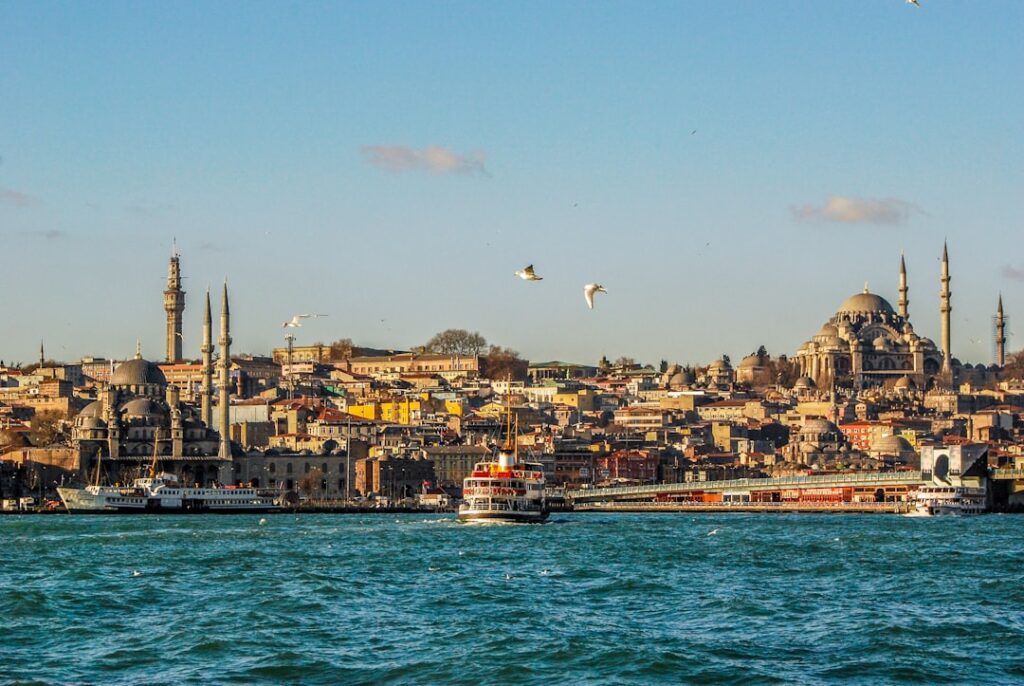
Istanbul, once Byzantium and later Constantinople, is a city where religious and culinary traditions have been intertwined for centuries. To understand halal in Istanbul, you need to grasp both the Islamic religious rules and how those rules have been woven into daily life, public rituals and the food service scene. The concept of halal (permissible) here applies not only to meat slaughtered according to Islamic rites but also more broadly to customs around consuming, preparing and sharing food that are deeply rooted in Ottoman and Turkish history.
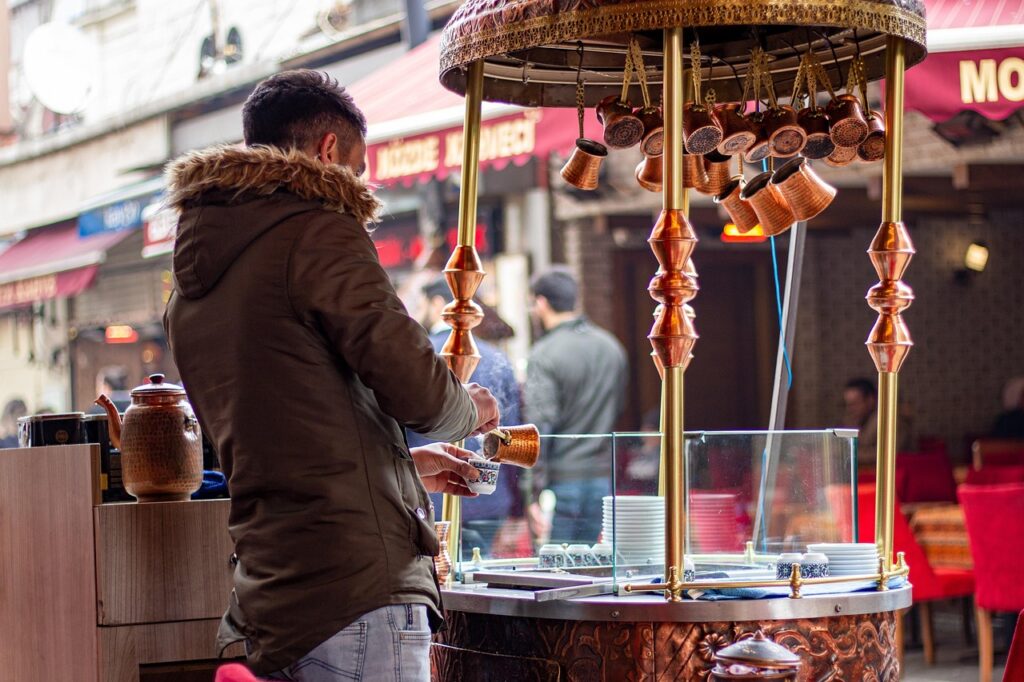
Sitting at the crossroads of East and West, Istanbul’s markets, mosques, tea houses and restaurants tell the story of a society where faith has shaped collective habits. Halal shows up in everyday rituals like wudhu (ablution before prayer), the prayer times that structure the day, and seasonal food practices like iftar during Ramadan or communal meals at Eid al-Adha. You’ll notice these moments in the streets, on restaurant signs, in the spice aromas at the Egyptian Bazaar (Mısır Çarşısı) and in how butchers carve lamb at traditional shops.
On the culinary side, Istanbul offers everything from tiny street stalls serving a dürüm (wrap) to refined tables with elaborate mezzes. Many restaurants clearly display their halal compliance, whether they’re traditional spots like Sultanahmet Köftecisi (known for its meatballs) or modern establishments such as Hamdi Restaurant by the Bosphorus. As a visitor, it’s helpful to know not just addresses and opening hours but also price ranges in euros, culinary specifics and local tips: where to find a prayer room, which dishes to favor at iftar time, and how to spot a certified halal product.
This guide will take you through the history and culture of halal in Istanbul, presenting concrete places with exact addresses, sample prices in euros, opening times and immersive descriptions so you can see how halal is lived on a daily basis. Whether you’re curious about religious rituals, a foodie seeking authenticity or a traveler wanting to honor local customs, you’ll find practical pointers and on-the-ground advice to explore Istanbul through the lens of halal.
History and rituals: from mosques to contemporary food practices
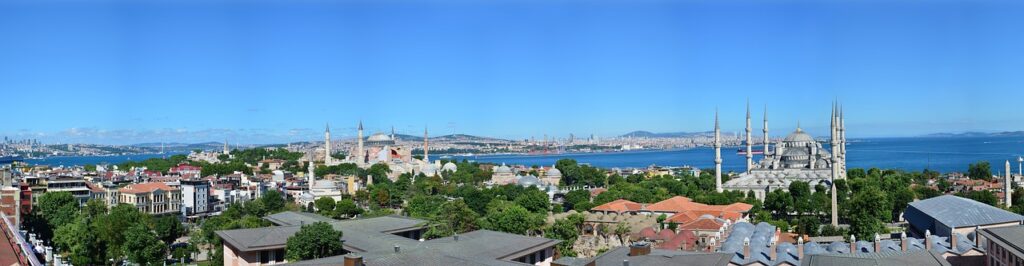
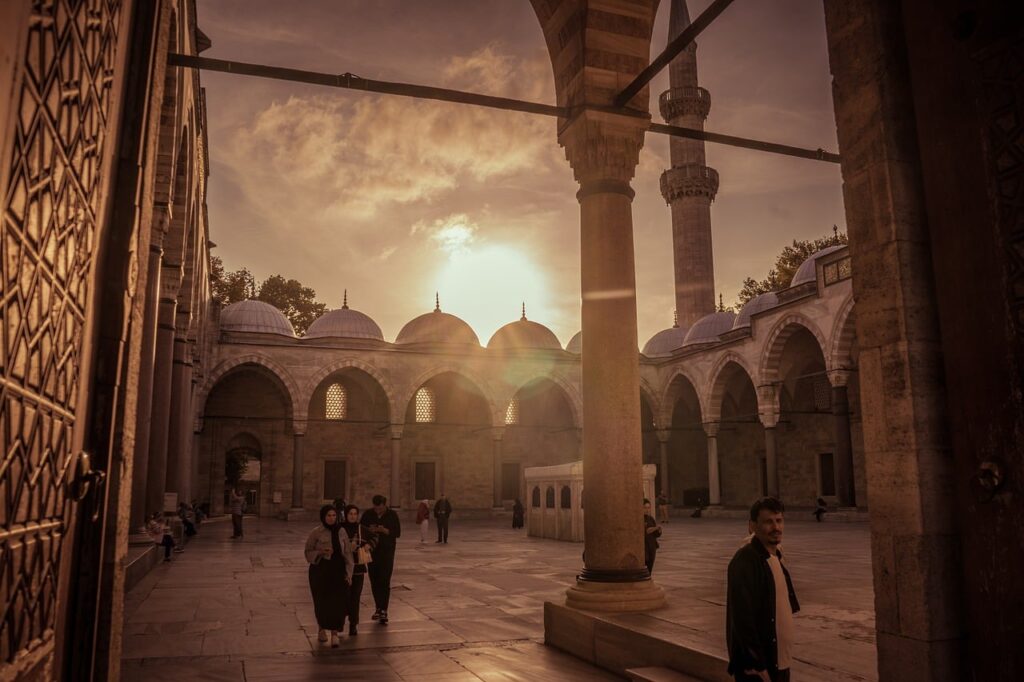
The story of halal in Istanbul is rooted in the Ottoman and Islamic legacy. Ottoman sultans set up waqfs (charitable endowments) that funded public kitchens, religious schools and mosques, fostering a culture of food-sharing aligned with religious principles. The Süleymaniye Mosque (Süleymaniye Camii) remains a symbol of this blending of spirituality and social life. Address: Süleymaniye Mahallesi, Prof. Sıddık Sami Onar Cd. No:1, 34116 Fatih, Istanbul. Opening hours: generally open to the public from 09:00 to 18:00, closed briefly during prayer times for non-worshippers who do not follow visiting guidelines (check signs on site).
Rituals tied to halal include the method of slaughter (dhabh) with a proper religious intention, saying the name of Allah and ensuring the blood is drained. In Istanbul, municipal slaughterhouses and some neighborhood butchers display certificates or work with recognized cooperatives. During Eid al-Adha (Kurban Bayramı), districts such as Fatih and Eyüp become centers of ritual sacrifice overseen with sanitary rules: municipal locations and special schedules are published annually by the Istanbul municipality.
Religion also shapes daily rhythms: the prayer times (salat) — fajr, dhuhr, asr, maghrib, isha — divide the day. Mosques provide prayer spaces, washing facilities and sometimes food distributions after Friday prayers (Jumu’ah). Visitors can also find prayer rooms in some shopping centers (for example Kanyon, Zorlu) and in public hubs like Sirkeci station. Local tip: factor prayer times into your plans when visiting markets or restaurants, as some shops close briefly.
Iconic restaurants and practical addresses: where to eat halal in Istanbul
Istanbul is full of restaurants where meat is prepared according to halal standards. Below is a curated list of concrete spots with addresses, opening times and indicative prices in euros to help you plan your meals.
- Hamdi Restaurant Eminönü — Tahmis Caddesi Kalçin Sokak No:17, Eminönü, 34110 Fatih, Istanbul. Hours: 11:00–23:00 daily. Signature dish: mixed kebab platters from €12, lunch menu (mezze + kebab) around €15–€18, baklava €3–€5. Offers panoramic views of the Golden Horn from the terrace. Tip: arrive before 19:00 in high season to avoid queues and book a terrace table for sunset.
- Çiya Sofrası — Caferağa Mahallesi, Güneşli Bahçe Sokak No:43, Kadıköy, 34710 Istanbul (Asian side). Hours: 10:00–22:30. Dishes: traditional mezzes starting at €3, main regional plates €8–€16. Description: authentic Anatolian cooking with dishes you rarely find elsewhere in Turkey. Local tip: ask for the daily specialties and share several mezzes to sample a wider range.
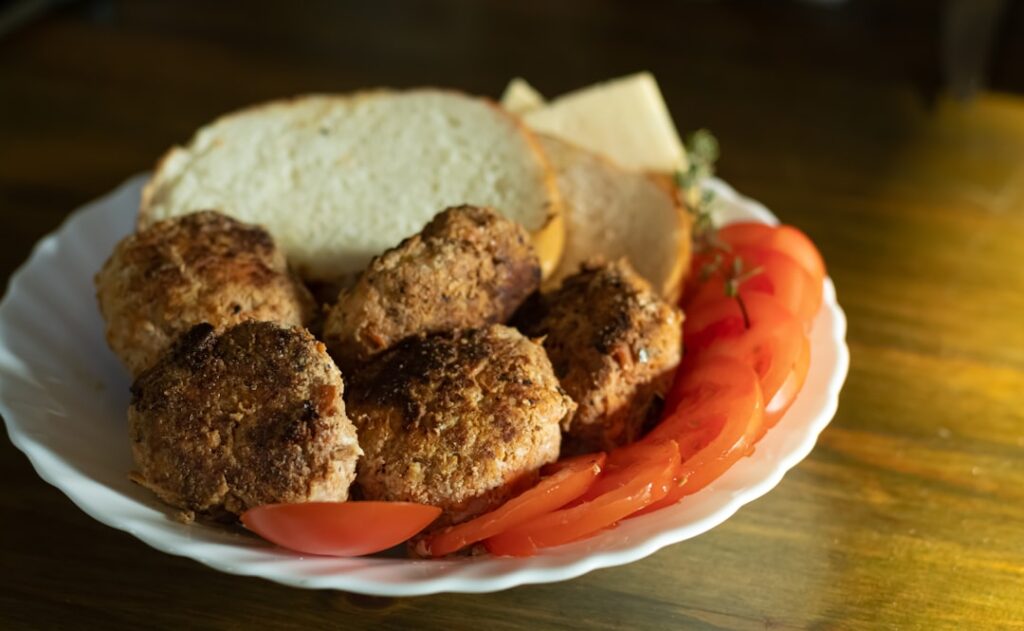
- Sultanahmet Köftecisi Selim Usta — Divan Yolu Cd. No:12, Sultanahmet, 34122 Fatih, Istanbul. Hours: 08:00–22:00. Signature dish: köfte (meatballs) 3 pieces €5–€7, family menu €18–€25. Historic atmosphere, popular with both tourists and locals. Tip: pair your meal with an ayran (salty yogurt drink) for the full experience.
- Karaköy Lokantası — Kemankeş Karamustafa Paşa Mh., Kemankeş Cd. No:37, Karaköy, 34425 Istanbul. Hours: 12:00–00:00. Prices: mezzes €4–€10, mains €10–€22. Contemporary Turkish cuisine in an art-deco setting. Weekends are busy—reservation recommended.
- Furkan Et & Kebap — Piyalepaşa Bulvarı No:18, Şişli, 34371 Istanbul. Hours: 11:00–23:30. Specialty: doner kebab and grilled meats, portions €6–€14. Great for a quick, halal meal any time of day.
Many cafes and patisseries like Hafiz Mustafa 1864 (Sirkeci and Taksim) serve traditional desserts (baklava €2–€5, Turkish delight €1–€3 per portion) and generally meet halal expectations for sweets. Practical tip: ask whether the frying oil is dedicated to halal dishes if you need strict observance, and look for local certificates displayed on walls.
Cultural experiences tied to halal: markets, iftar and practical tips
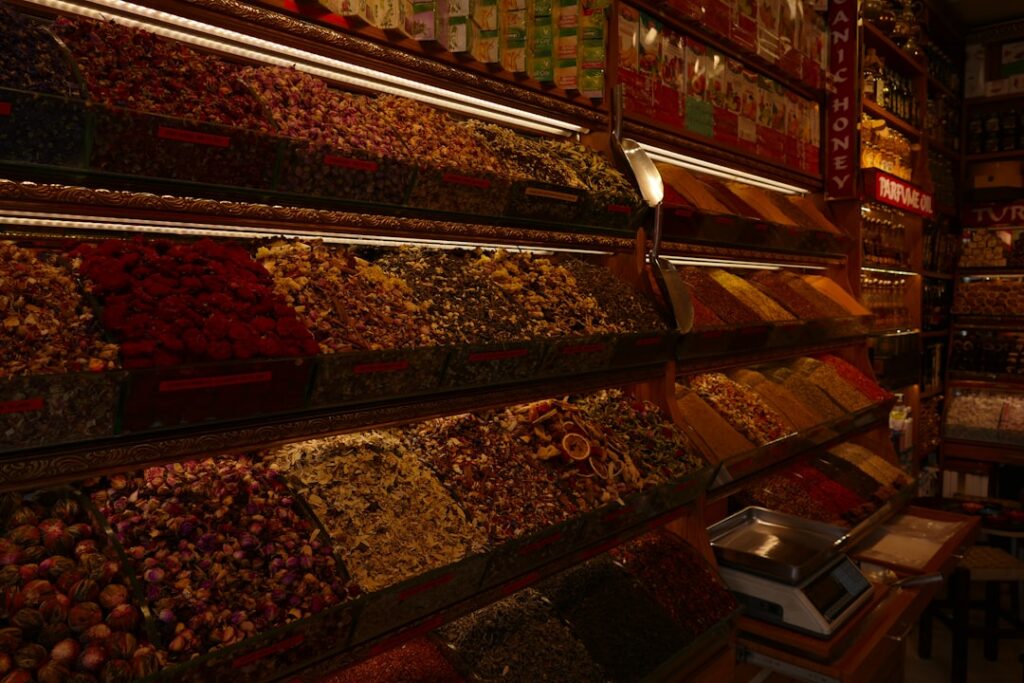
Markets and festivals offer a direct window into halal food practices. The Egyptian Bazaar (Mısır Çarşısı) — Rüstem Paşa, 34116 Eminönü — is a sensory place to buy spices, lokum and condiments. Hours: 08:00–19:30. Spices are sold by weight (€1–€12 depending on quality and rarity), and vendors often offer samples. Tip: bargain politely and accept a cup of çay (tea) to keep the conversation going.
Ramadan transforms the city: alleys light up and iftar stalls spring up across neighborhoods. Mosques like the Blue Mosque (Sultanahmet) and Eyüp Sultan Mosque (Eyüp) sometimes host public iftars. During Ramadan, a mid-range iftar menu in a restaurant typically costs €10–€25 per person (soup, starter, main, dessert), while higher-end options range from about €30–€60. Tip: arrive before maghrib to soak up the atmosphere and reserve a table if you want a spot at a popular restaurant.
To observe local rituals, attend a Friday prayer at the Süleymaniye Mosque or visit Eyüp to watch pilgrims at work. Eyüp Sultan Camii address: Eyüp Sultan Mh., Eyüp, 34050 Istanbul. Hours: morning visits recommended; Friday prayer usually starts around 13:00–14:00 depending on the season. Respect silence and dress codes: cover shoulders and knees, and women should wear a headscarf. Practical tip: bring a small prayer mat if you plan to pray outside mosques—public spaces near mosques often accept worshippers.
Finally, to verify halal compliance, look for local labels (Helal logos) and ask staff directly. Many international hotels in Sultanahmet, Taksim and Beşiktaş offer halal meals on request and can point you to prayer rooms or provide maps to nearby halal restaurants at reception.
Conclusion — Travel respectfully and deliciously in Istanbul
Istanbul is a capital of halal both in its heritage and in everyday life. From monumental mosques to bustling markets and generous restaurant menus, halal here goes beyond the mechanics of slaughter: it structures rituals, shapes eating habits and sustains a centuries-old cultural economy. For visitors, that means an invitation to observe, taste and be respectful. The addresses above — Hamdi Restaurant (Tahmis Caddesi Kalçin Sokak No:17, Eminönü), Çiya Sofrası (Güneşli Bahçe Sokak No:43, Kadıköy), Sultanahmet Köftecisi (Divan Yolu Cd. No:12, Sultanahmet), Karaköy Lokantası (Kemankeş Cd. No:37, Karaköy) — are concrete starting points to explore Istanbul’s halal food diversity. The euro price ranges, opening times and local tips will help you plan your visits without surprises.
While traveling, keep a few simple rules in mind: check prayer times to avoid temporary closures, ask about the origin of meat if you observe strict dietary rules, and take advantage of Ramadan evenings to join an iftar—an unforgettable human and culinary experience. Don’t forget to browse markets like Mısır Çarşısı to bring home spices and sweets, and visit mosques like Süleymaniye and Eyüp Sultan for a deeper spiritual experience. Above all, adapt to local customs: dress modestly, be polite in exchanges and respect prayer spaces.
With these pointers, you’ll be able to explore Istanbul in an informed and respectful way, savor authentic dishes, take part in meaningful rituals and come away with a clearer understanding of what halal means in a city where history and modern life meet on every street corner.