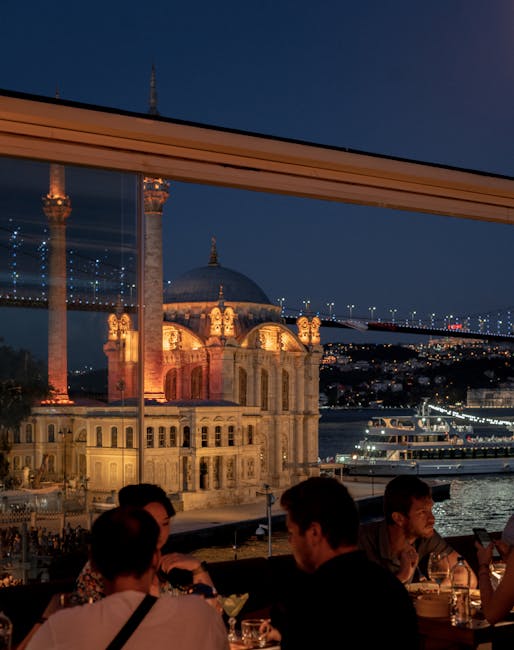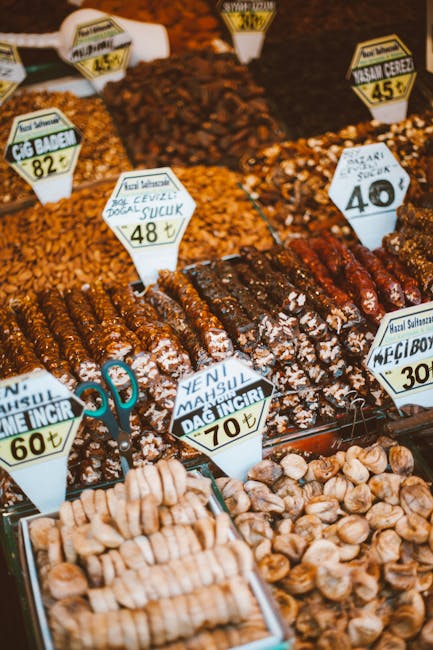






Introduction: Why Istanbul’s markets are a paradise for halal specialties
Istanbul is a city you taste as much as you see. Straddling Europe and Asia, it blends centuries of Ottoman, Balkan, Levantine and Mediterranean culinary influences — and most of these dishes are prepared and served according to Muslim dietary rules, meaning halal. From the monumental Grand Bazaar to neighborhood markets like Kadıköy and Beşiktaş, Istanbul’s markets offer a full-on food experience: colorful stalls, made-to-order cooking, heady spices and syrupy desserts. This guide focuses on can’t-miss halal specialties to sample in Istanbul’s markets, with exact addresses, opening hours, approximate prices in euros, sensory descriptions and local tips to help you get the most from every bite.
Whether you’re after a quick street snack, a hearty meat-based dish, a dessert to share or condiments to bring home, the markets of Istanbul deliver a wide palette. Most stalls and small restaurants follow traditional Turkish culinary practices, which means halal meat, quality olive-oil preparations and pastries sweetened with honey and syrup. You’ll also notice that buying and tasting are often interactive: you’ll be invited to try things, sometimes offered a morsel, and vendors will explain recipes — all perfect chances to learn and chat with proud makers.
This guide is written for the informed traveler: each specialty is listed with the venue name, exact address, typical opening hours, approximate prices in euros and practical tips — how to order, when to avoid lines and how to spot the best local version. Price and hour info are estimates based on current practices and may shift slightly with season or local events. We’ve chosen well-known spots for quality and authenticity, but also modest market stalls where food is prepared daily in front of you — a guarantee of freshness and flavor.
One practical reminder: while most Turkish establishments offer halal products, it’s always a good idea to ask if you have specific religious or dietary needs (for example, no alcohol in the preparation). Vendors are generally understanding and happy to explain their methods. Don’t be shy to ask questions, accept a offered cup of çay, and take your time exploring: an Istanbul market is a lively place where history, hospitality and gastronomy meet.
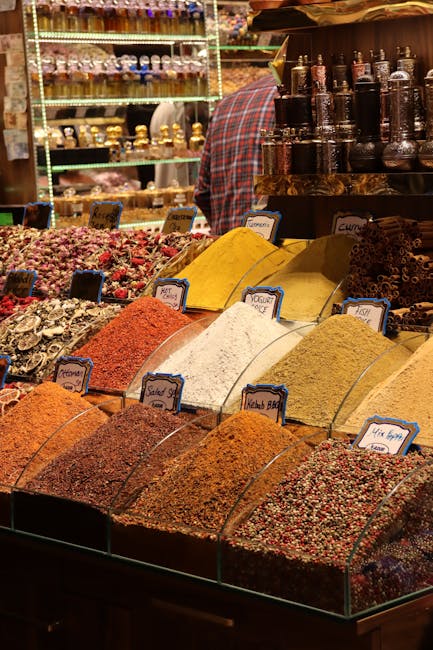
1) Grand Bazaar (Kapalıçarşı): mezzes, simit, sucuk and meat specialties
The Grand Bazaar, Kapalıçarşı, is more than a shopping spot — it’s a culinary microcosm. Address: Grand Bazaar (Kapalıçarşı), Beyazıt, Kalpakçılar Cd. No:22, 34126 Fatih/İstanbul. Hours: generally open Monday–Saturday from 09:00 to 19:00, closed Sunday (hours may vary during religious holidays). This enormous maze houses stalls and tiny shops where you can sample both sweet and savory specialties.
Specialties to try:
- Simit — the crunchy Turkish bagel, covered in sesame seeds. Price: about €0.50–€1.00 each. You’ll find them at many kiosks inside the bazaar and at its entrances. Best time: morning, just out of the oven.
- Grilled sucuk — a dry, spicy sausage made from beef or lamb, usually halal. Price for a sucuk sandwich: €2.50–€4.00. Often cooked in front of you on a griddle, served in pita or alongside eggs.
- Mezzes and small plates — cold mezzes like hummus, cacık (yogurt with cucumber) and acılı ezme (spicy tomato salad) are available at some of the bazaar’s canteens. Price: €3.00–€6.00 per serving.
Atmosphere and service: at the Grand Bazaar expect quick service and often eating on the go at small shared tables. Vendors, young and old, will sometimes offer free samples of sides (olives, fresh bread). Local tip: avoid the lunch rush and visit in the morning (09:00–11:30) to dodge crowds and get items fresh from the oven. To spot a good sucuk, look for a dark color, a fragrant spice aroma (fennel, garlic) and a firm but juicy texture.
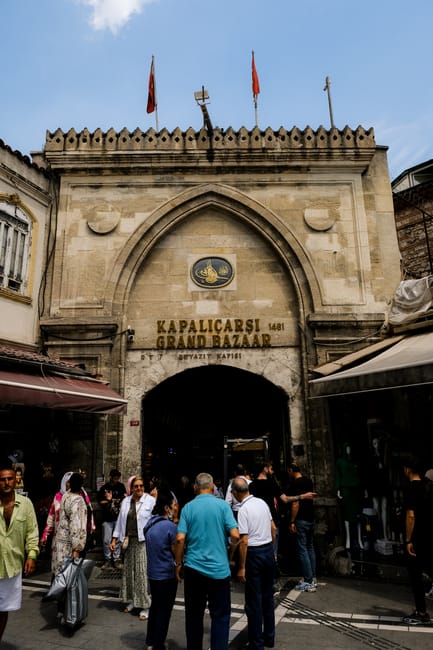
2) Spice Bazaar (Mısır Çarşısı) and its treasures of spices, lokum and fried fish
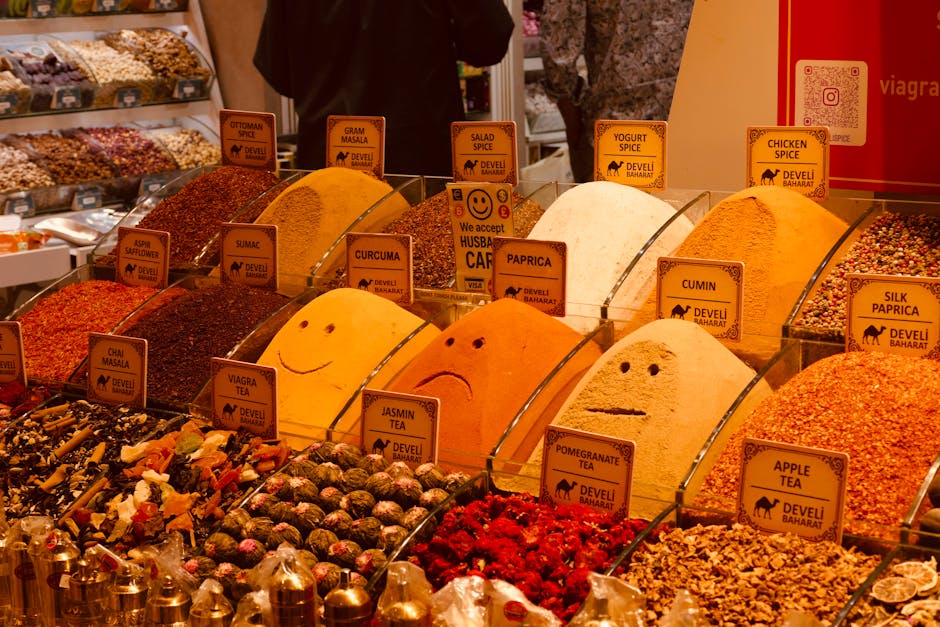
The Spice Bazaar, known locally as Mısır Çarşısı, is a vibrant spot with mountains of spices, the sweet aroma of lokum (Turkish delight) and stalls serving fish cooked to order. Address: Spice Bazaar (Mısır Çarşısı), Rüstem Paşa, Erzak Ambari Sk. No:92, 34116 Fatih/İstanbul. Hours: open daily, usually from 08:00 to 19:30, though some shops may close earlier on Sundays.
Specialties to try:
- Lokum (Turkish delight) — a gel-like confection flavored with rose, lemon, pistachio or walnut. Price: €3.50–€10.00 per 100 g (depending on quality and filling). Look for shops like Hacı Bekir that offer traditional displays and tastings.
- Spices and blends — pick up a kebab mix or an Ottoman baharat blend. Price: around €1.50–€5.00 for 50–100 g depending on rarity. Tip: ask to smell and taste small sample sachets before you buy.
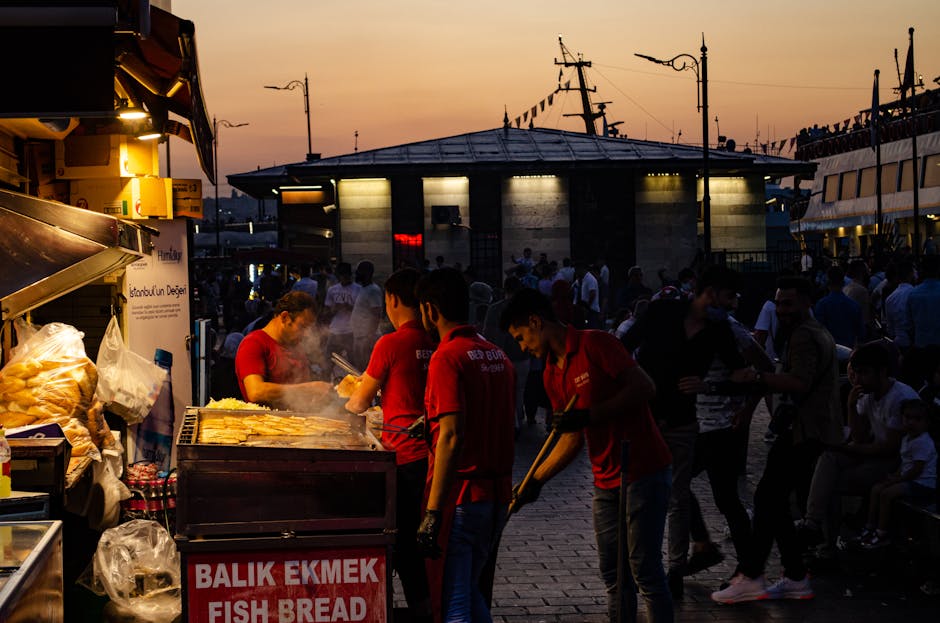
- Fried or grilled fish (Balık ekmek) — the famous fish sandwich, often sold near the bazaar on the Bosphorus quays (around Eminönü). Price: €4.00–€6.00. Served with salad, onions and freshly toasted bread.
Atmosphere and service: the Spice Bazaar is noisy and aromatic. Sellers will often offer a çay to start a conversation and encourage tasting. Local tip: for lokum, ask for a less-sugary, pistachio-based portion for a more authentic experience. For balık ekmek, choose stalls that grill in front of you and use the queue as a quality signal — a line usually means it’s good.
3) Kadıköy Market: Anatolian street food and sweet treats
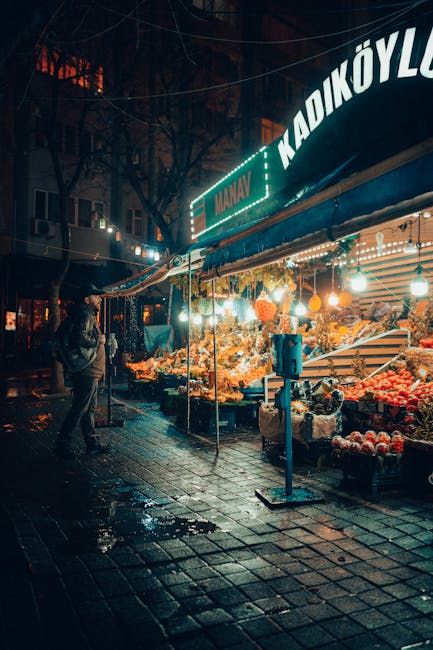
On the Asian side, Kadıköy Market is the local culinary heart where young creative chefs mix with family-run stalls. Address: Kadıköy Market, Caferağa Mahallesi, Bahariye Caddesi and surroundings, Kadıköy, İstanbul. Hours: most stalls are open daily, with peak activity from Thursday to Sunday, often 08:00–20:00 and later in the evenings for bars and street food stalls.
Specialties to try:
- Midye dolma — mussels stuffed with spiced rice, served with lemon. Price: €0.50–€1.20 each (depending on size and vendor). Order them from street sellers along the market streets.
- Gözleme — savory Turkish flatbread filled with cheese, spinach or minced meat (ask for halal — meat is usually local). Price: €3.00–€5.50 depending on filling. Cooked on a hot griddle in front of you, it’s crispy and generously filled.
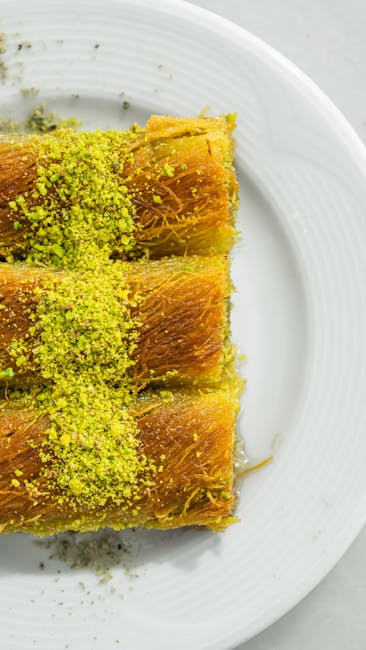
- Baklava and künefe — filo-based sweets with cheese or pistachio and sugar syrup. Price: baklava €1.50–€4.00 per piece; künefe €3.50–€7.00 per portion. Many small tea houses serve these treats, like Bambi Cafe or family-run patisseries along Moda street.
Atmosphere and service: Kadıköy is less touristy than the historic center, which shows in the authenticity of the food and the warm welcome. The Bahariye and Moda neighborhoods are full of small tables where dishes are shared. Local tip: eat standing at the counter to watch the preparation and chat with the cook; for midye dolma, squeeze half a lemon over them and dip into chili sauce if you like bold flavors.
4) Beşiktaş and Ortaköy: kumpir, kokoreç and Bosphorus bites
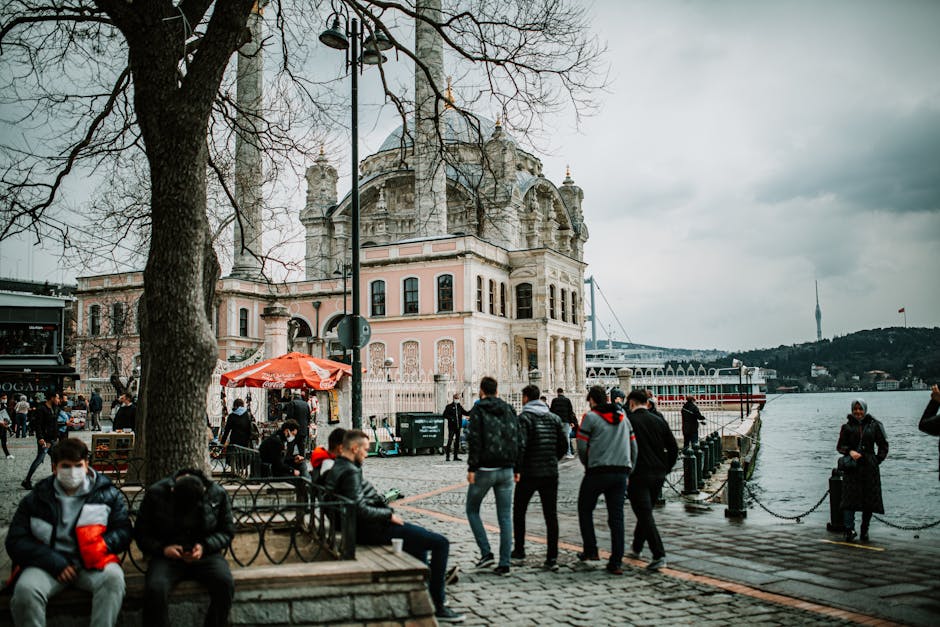
Beşiktaş and Ortaköy are two neighborhoods where you’ll find a wide range of beloved halal snacks. Beşiktaş Market (Beşiktaş Çarşı) sits around Beşiktaş Square and Barbaros Street, while Ortaköy is famous for Bosphorus views and its street stalls. Representative addresses:
- Beşiktaş Market: Beşiktaş Meydanı, Barbaros Bulvarı, Beşiktaş, İstanbul.
- Ortaköy Square (Ortaköy Meydanı): Ortaköy Mahallesi, Mecidiye Cd., 34347 Beşiktaş/İstanbul.
Hours: most stalls operate daily, usually from 10:00 to 22:00, and often later on weekend nights.
Specialties to try:
- Kumpir (baked potato) — a massive baked potato split open and mixed with butter and cheese, then loaded with salads, pickles, corn and sauces. Price: €3.50–€6.50 depending on size and toppings. Ortaköy is famous for kumpircis (kumpir vendors) who serve generous portions perfect for sharing.
- Kokoreç — spiced and grilled lamb intestines, chopped finely and served in a sandwich. Price: €2.50–€5.00 per sandwich. Popular Beşiktaş stands often serve the classic version, thinly sliced and brightened with spices and olive oil.
- Çay and Turkish coffee with baklava — finish with a black tea poured into tulip-shaped glasses or a strong Turkish coffee. Price: tea €0.50–€1.50; Turkish coffee €1.00–€2.50.
Atmosphere and service: Ortaköy offers a picturesque waterside experience — ideal for enjoying a kumpir with a Bosphorus view. Beşiktaş is livelier and student-filled, with many stalls open late. Local tip: for kokoreç, follow the smoke and the queue — that’s often the best sign. Always ask if the meat has been freshly cooked and avoid peak times if you prefer a calmer, seated meal.
5) Egyptian Bazaar and small producers: olives, halal cheeses and artisanal condiments
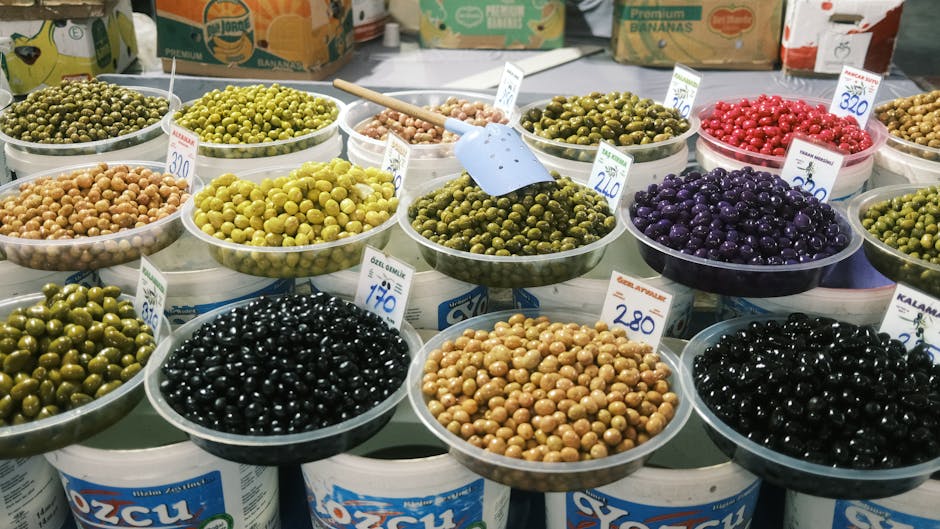
The Egyptian Bazaar (Spice Bazaar) was already mentioned for spices and sweets, but it’s also worth highlighting small shops that specialize in artisanal products: marinated olives, local cheeses (typically cow, sheep or goat milk), olive-oil blends and dried fruits and nuts. Address: Rüstem Paşa, Erzak Ambari Sk. No:92, 34116 Fatih/İstanbul (partly the same location as the Spice Bazaar). Hours: generally 08:00–19:30 daily.
Specialties to try:
- Assorted olives — tasted with olive oil and herbs. Price: €2.00–€6.00 for 200 g depending on variety (black olives, green with garlic, thyme-marinated).
- Local cheeses (beyaz peynir, lor) — samples are often offered. Price: €3.00–€8.00 for 200–300 g depending on aging.
- Olive oil and vinegar blends — artisanal bottles of 250–500 ml. Price: €5.00–€15.00 depending on quality and producer.
Atmosphere and service: these shops are often run by producers or local families; the pace is slower and more educational. Sellers love to explain the origin of their products (Anatolia, Aegean, Marmara) and provide small tastings. Local tip: bring a small empty suitcase if you plan to bring back bottles of olive oil; ask for vacuum packing and documentation if you want details on origin and production methods (organic, cold-pressed, etc.).
Conclusion: How to plan your halal tastings and bring back the best souvenirs
Exploring Istanbul’s markets for halal specialties is a sensory adventure: colors, aromas and textures combine to create a unique gustatory postcard. To get the most from your trip, plan visits according to market hours (Grand Bazaar in the morning, Spice Bazaar early or late afternoon, Kadıköy and Beşiktaş for evening street food), and alternate between busy stalls and quieter family shops. Prices in this guide are estimates in euros and may shift with season and exchange rates; they’ll still serve as helpful budgeting references for a culinary trip.
Practical tips and food safety:
- Hygiene: favor stalls where food is prepared in view and where turnover is high (a line = often a sign of freshness).
- Language: learning a few Turkish words (thank you: teşekkür ederim; hello: merhaba) will open doors and smiles. Ask if the meat is « helal » if that’s important to you — the answer is usually clear and affirmative.
- Bargaining: haggling is expected for dry goods (spices, lokum, oil) at the Grand Bazaar; for ready-to-eat food, pay the listed price and focus on quality.
- Souvenirs: bring back spices, quality lokum (Hacı Bekir), a small bottle of local olive oil and bags of Turkish tea to continue the journey at home.
Finally, let curiosity lead you: taste things you don’t know, accept a cup of çay offered to you, and take time to talk with vendors. Istanbul’s markets are as much about cultural exchange as they are about food. Whether you buy a simple simit at the Grand Bazaar, a portion of midye dolma in Kadıköy or a piece of baklava by the Bosphorus, every bite tells a chapter of Istanbul’s story. Happy culinary travels and afiyet olsun — enjoy your meal!