





Introduction — Why the Istanbulkart Is Essential for Exploring Istanbul
Trying to explore Istanbul without an Istanbulkart is like navigating a 15-million-person metropolis with loose change in your pocket: possible, but unnecessarily complicated. The Istanbulkart (sometimes written Istanbul Card) is the city’s rechargeable, multi-use transit card: metro, tram, bus, funicular, municipal ferries, cable car and even some partner shops accept it. It streamlines travel, speeds up transfers, and spares you from queuing for a ticket on every single trip. In this detailed practical guide I’ll walk you through how to get, top up and manage your Istanbulkart step by step, with exact addresses, opening hours, prices in euros and local tips to save you time and money.
Istanbul spans two continents — Europe and Asia — linked by bridges, tunnels and ferry lines. The Istanbulkart works everywhere: from Kadıköy’s elevated metro (Asia) to the historic T1 tram that runs through Eminönü and Sultanahmet (Europe). You can find it as soon as you land at the airport, at major metro stations, in big ferry terminals and at the small yellow kiosks known as “biletmatik” or “kiosk.” It’s simple to use: buy a card (initial cost), load it with credit (euros are converted to Turkish lira), and tap the card on the reader at the start of each trip.
This guide not only covers where to buy and top up an Istanbulkart, but also how to optimize its use depending on your itinerary (airports, cruises, suburban excursions), how to manage your balance, how to get a refund if you lose the card, and tricks to avoid long lines during rush hours. I give exact locations of strategic sales points: Istanbul Airport (Terminal 1, Arnavutköy), Sabiha Gökçen (Pendik), Taksim Square, Eminönü Pier and key stations like Yenikapı Metro Station and Kadıköy Pier, with typical opening hours and price indications in euros to help you plan your transport budget.
Finally, this guide includes practical local tips: the average price to expect in euros for a top-up, how to share an Istanbulkart with family members, how discounts work (if you have a student or senior card), and how to set up the card in mobile apps to check your balance remotely. With evocative images embedded in the text, this guide gets you ready to own getting around Istanbul from minute one. Be ready to catch a sunset ferry, hop on a historic tram and cross the Bosphorus like a local — all with your Istanbulkart in hand.
Buying Your Istanbulkart: Where, When and How Much
The first question is often: where can I buy an Istanbulkart? Short answer: almost everywhere. Common points of sale include official IETT booths, ticket counters at major metro stations, vending machines (biletmatik) and airports. Here are precise and practical locations to pick one up as soon as you arrive.
– Istanbul Airport (İstanbul Havalimanı), Terminal 1, Terminal Çıkışı, 34283 Arnavutköy/İstanbul. Opening hours: open 24/7 (airports have permanent sales points). Indicative price: card cost ~€3.00 + recommended initial top-up €5.00 (total ~€8.00). You can pay in euros or with international bank cards at official kiosks.
– Sabiha Gökçen Airport, Terminal Çıkışı, Kurtköy, 34912 Pendik/İstanbul. Opening hours: ticket desks typically 05:00–01:00 depending on traffic. Indicative price: card ~€3.00 + initial top-up €5.00.
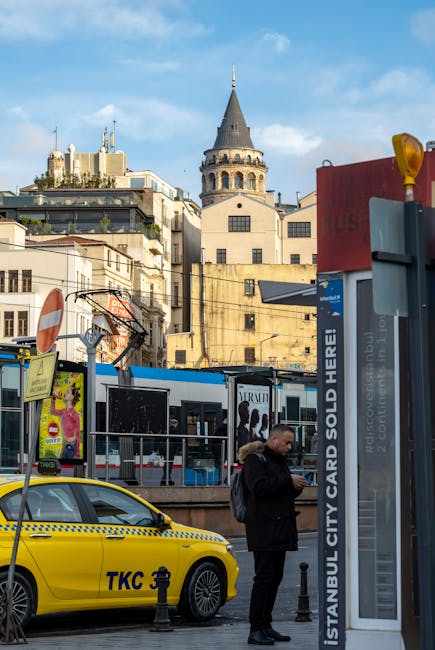
– Taksim Square Kiosk (Taksim Meydanı), Taksim Meydanı, Gümüşsuyu Mah., 34437 Beyoğlu/İstanbul — located at the exit of Taksim metro station. Opening hours: 06:00–00:00. Price: card ~€3.00 + initial top-up €5.00.
– Eminönü Ferry Terminal (Eminönü İskelesi), Rüstem Paşa Mah., 34116 Fatih/İstanbul — near the Galata Bridge. Opening hours: 05:00–23:30 (aligned with ferry services), kiosks open according to departures. Price: card ~€3.00 + initial top-up €5.00.
– Yenikapı Metro Station, Yenikapı, 34096 Fatih/İstanbul — ticket counter and vending machines. Opening hours: station generally 06:00–00:00 (metro hours). Price: same indications apply.
Important: the cost of the physical card itself is fixed but can vary slightly depending on the vendor; most kiosks accept international bank cards and cash (euros and Turkish lira). The amount you load is converted into lira at the prevailing rate; I recommend topping up at least 20 TRY (roughly €1.00–€1.20 depending on the rate) to guarantee several trips, but for a short stay €10–€15 (about 200–300 TRY) will give you real peace of mind.
Top-Up Your Istanbulkart: Practical Methods and Exact Locations
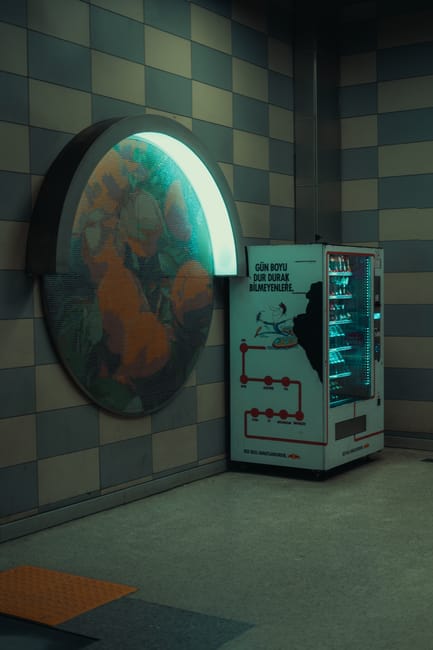
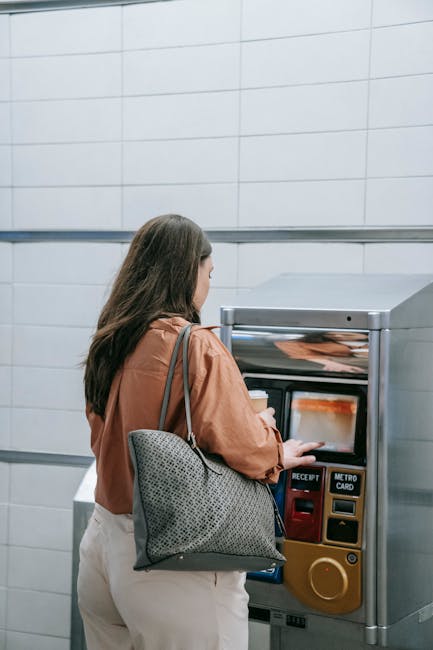
Topping up an Istanbulkart is very straightforward and can be done in several ways: vending machines (biletmatik), official station counters, partner shops (yellow kiosks), and compatible mobile apps. Here’s a detailed overview of the options, with addresses, opening times and amounts in euros.
1) Vending machines (biletmatik) — where and how:
- Yenikapı Metro Station, Yenikapı, 34096 Fatih/İstanbul. Opening hours: 06:00–00:00. Multilingual machines. Tap your card on the reader, select « Yükleme » (top up), choose the amount (10, 20, 50, 100 TRY etc.) and pay by card or cash. Price: minimum top-up 20 TRY (~€1.00), but I recommend 100–200 TRY for several days (~€5–€10).
- Kadıköy Pier (Asian side ferry terminal), Rıhtım Cd., Caferağa, 34710 Kadıköy/İstanbul. Opening hours: 05:00–01:00 depending on ferry schedules. Some terminals accept euros at machines and take bank cards.
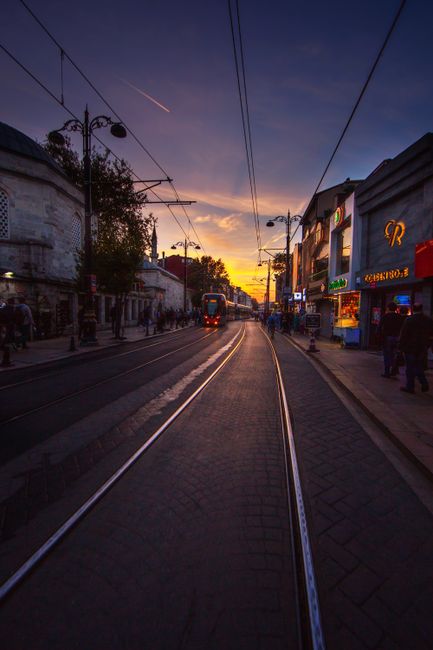
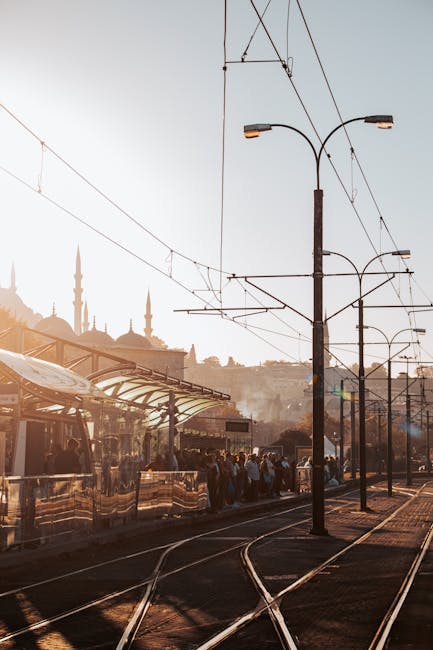
- Sultanahmet Tram Stop (T1 line), Sultanahmet Mah., 34122 Fatih/İstanbul. Opening hours: daytime 06:00–23:00 aligned with the line. Convenient machine for tourists visiting the Blue Mosque and Hagia Sophia.
2) Official counters and kiosks:
- IETT Booth at Taksim Square, Taksim Meydanı, Gümüşsuyu Mah., 34437 Beyoğlu/İstanbul. Opening hours: 06:00–00:00. Staff can help with top-ups, card replacement and transfers. Payment by bank card or cash in euros is accepted.
- Eminönü İskele, near the ferry terminal, Rüstem Paşa Mah., 34116 Fatih/İstanbul. Opening hours vary (05:00–23:30). Ideal to top up before boarding a Bosphorus cruise.
3) Mobile apps and online top-ups:
There are Turkish apps (Istanbulkart mobile apps) that let you buy or top up an Istanbulkart via smartphone and transfer the amount to the physical card via NFC (if your phone supports it). Recommendation: if you’re not comfortable with Turkish, stick to a counter or a machine, because the apps often require local identification and Turkish payment methods.
Practical tips:
- Always keep a few euro notes (€5–€10) to top up if your international bank card doesn’t work.
- Prefer using official vending machines over street vendors to avoid high commissions.
- During peak hours (08:00–10:00 and 17:00–19:00) lines at machines are long; top up as soon as you arrive at the station.
Using the Istanbulkart Day-to-Day: Tapping, Fares, Transfers and Rules
Once your card is loaded, knowing how to use it properly is essential to avoid fines or mistakes. The Istanbulkart must be tapped at every boarding or at station entrances. Here are the key practices and fares, shown in euros to make budgeting easier.
Tapping: Hold the card near the yellow reader at metro/tram/ferry entrances or beside the driver on some buses. You’ll hear a beep confirming the tap. If you hear a different sound (long beep or red indicator), it signals a problem (insufficient balance, incorrect placement, or a faulty card).
Indicative fares (approximate in euros, variable with exchange rates):
- Standard single trip (metro/tram/bus/ferry): roughly €0.50–€0.80 per ride (in 2026 the average fare hovered around 15–20 TRY or ~€0.60–€0.80).
- Municipal ferry (Eminönü–Karaköy–Kadıköy): usually covered by the standard fare if it’s a municipal ferry; some tourist services cost more (~€2.00–€5.00).
- Free/reduced transfers: the Istanbulkart often grants reduced fares for consecutive transfers (for example, a reduced charge when switching from bus to metro within a given time window).
Practical rules:
- Tap every time you board and, if asked, when you exit: on some services exit validation is required (rare for metro but possible on certain buses or regional lines).
- Don’t lend your card if you’re using personal passes or discounted fares (student, senior) because discounts are linked to the card.
- If there’s a ticket inspection, show your card to the inspector and keep the receipt from your last top-up as proof if needed.
Local tips:
- To visit main attractions (Sultanahmet, Taksim, Eminönü, Galata, Karaköy, Kadıköy) budget about €3–€6 per day for transport depending on how much you move around.
- If you plan several Bosphorus crossings, load a larger amount to avoid frequent top-ups at small stations that may add extra time during peak hours.
Managing Balance, Loss, Refunds and Family Options
Managing your Istanbulkart goes beyond topping up: you should know how to check the balance, what to do if you lose the card, how to transfer credit between cards and how to optimize use for a group or family. Here are precise procedures and practical recommendations.
Checking your balance:
- At vending machines: insert or tap your card and select « Bakiye Sorgulama » (balance inquiry). The balance displays in TRY; convert to euros approximately.
- On validation screens: the remaining balance is often displayed after you tap (a small display). Note the amount before you leave.
- Via mobile app: if you can link the card to an app, the balance appears instantly (requires local identification and sometimes a national ID number).
Loss and theft:
If you lose your Istanbulkart, act quickly. If the card was registered (an option available at some official sales points), you can block it and transfer the remaining balance to a new card. Without registration, the balance is unfortunately lost. Useful address: Istanbulkart Customer Service Center, Istanbulkart A.Ş., Büyükdere Caddesi No: 185, Levent, 34330 Şişli/İstanbul. Opening hours: Monday–Friday 09:00–17:30. Bring identification and the purchase receipt if possible.
Refunds:
Refunding your remaining balance is possible at some official kiosks or at the Istanbulkart service center. Possible fees: a small commission may be charged (around €1–€3 depending on the balance and administrative process). Practical tip: for short stays it’s often easier to keep the card as a souvenir or give it to a local friend than to go through the hassle of claiming a small refund.
Family and sharing options:
- There isn’t a standard “family card,” but you can load a large amount onto a single card and pass it around: be aware that personal discounts don’t apply if the card isn’t registered to the person using it.
- For children there are reduced fares or specific cards: check at the main ticket counters (for example at major terminals like Yenikapı and Taksim) for a child’s registered card.

Local Tips to Get the Most from Your Istanbulkart and Avoid Pitfalls
After years of watching how locals and travelers use the system, here are concrete tips to use the Istanbulkart like a regular and avoid small traps that waste time or money.
1) Plan your top-ups at night or early morning:
Vending machines are less crowded between 22:00 and 06:00 at most stations (except airports). Take advantage of these quieter hours to top up if you have a packed schedule the next day. Many travelers make the mistake of waiting until the terminal station, where lines are longer.
2) Prefer card payments at official machines:
Street kiosks may accept euro notes but some apply a markup. Official vending machines and IETT ticket counters do not have hidden fees. If you pay by card, the conversion is automatic and often more competitive.
3) Use the Istanbulkart for municipal ferries — the ride is worth it:
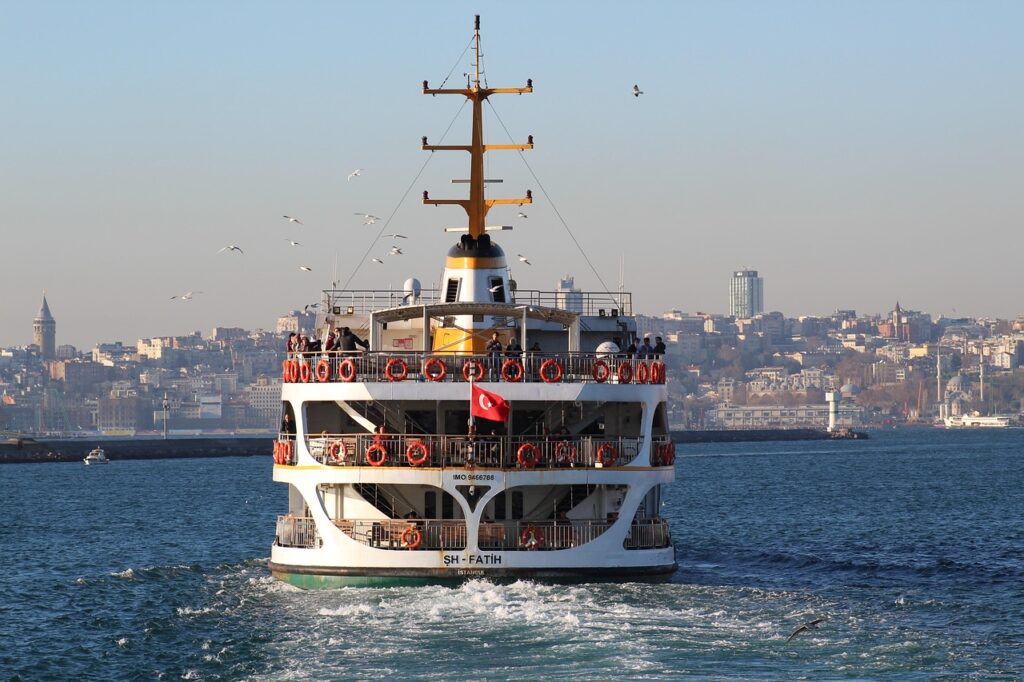
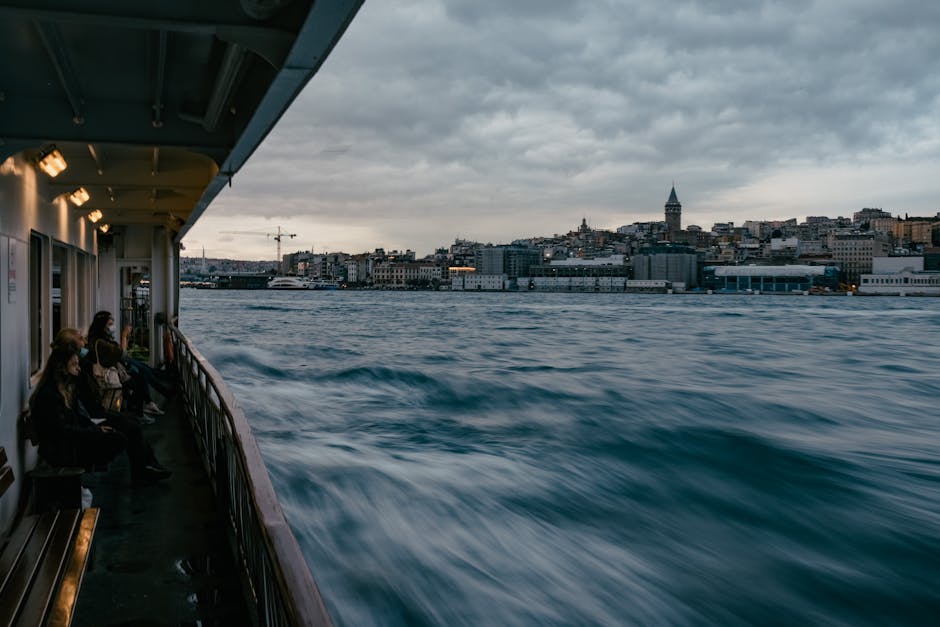
A municipal ferry trip, for example Eminönü → Kadıköy (Eminönü İskele, Rüstem Paşa Mah., 34116 Fatih → Kadıköy İskele, Rıhtım Cd., Caferağa, 34710 Kadıköy), is covered by the Istanbulkart at the standard fare and offers stunning views of the Bosphorus. Tip: sit on the side of the boat facing the sunset for the best photos.
4) Watch for multiple validations:
On some combined journeys (metro + funicular + cable car), you may benefit from a reduced transfer fare if you validate correctly. Don’t leave the card at the bottom of your bag; tap it quickly so the transfer discount applies.
5) Backup apps and paper maps:
Despite widespread app use, keep a paper map or a small printed network map of the main lines (tram T1, metro M1/M2, Marmaray, funiculars F1) and emergency numbers. Station signs include approximate hours: for example, the T1 tram usually runs 06:00–00:30.
Conclusion — Mastering the Istanbulkart for Stress-Free Travel
The Istanbulkart is far more than a payment method: it’s the key that unlocks the city. With a well-loaded card you’ll cross Europe and Asia with ease, save time and money, and enjoy the flexibility you need to explore Istanbul. By following the steps in this guide — where to buy, how to top up, how to tap and how to handle your balance if you lose the card — you’ll avoid the most common pitfalls. Keep in mind the practical locations I listed: Istanbul Airport Terminal 1, Sabiha Gökçen, Taksim Square, Eminönü Pier and Yenikapı Metro Station. These spots are reliable bases for any traveler arriving to or leaving the city.
Budget planning: for a typical tourist stay, expect to set aside about €10–€30 for transport depending on your activities (distant museums, cruises, suburban excursions). That covers the card, several top-ups and a few Bosphorus crossings. For families, consider loading one card per person to avoid complications with reduced fares and ticket checks.
Finally, remember the local tips: top up outside peak hours, use official vending machines, and take municipal ferries with your Istanbulkart for unforgettable Bosphorus views. Always keep a little cash or a bank card for quick top-ups. With these habits, the Istanbulkart becomes your most reliable ally for exploring the city: from the alleyways of Sultanahmet to the bustling stalls of Eminönü, from Kadıköy cafés to Üsküdar viewpoints. Safe travels — and don’t forget to tap!