





Introduction — Entry Requirements for Istanbul: visas, e‑visas and essential documents in 2026
Istanbul is a vibrant metropolis straddling Europe and Asia, blending ancient history, towering mosques, colorful bazaars and modern neighborhoods. If you’re planning a trip in 2026, the first step is getting your head around the entry formalities: what visa do you need, how to get an e‑visa, which documents are essential on arrival, and what precautions to take to avoid unpleasant surprises? This guide aims to pull together, in a practical and comprehensive way, everything you need — from passport requirements to the exact addresses of main entry points, plus local tips on customs checks, insurance and typical costs quoted in euros.
Turkey’s visa landscape has shifted over recent years, with a strong push toward digitizing procedures. The e‑visa (electronic visa) is now the main route for many nationalities, allowing quick issuance via the official site: https://www.evisa.gov.tr. The process is straightforward: complete the form, pay the fee by card, then download/print your e‑visa. Timing: typically the e‑visa is issued within hours of applying, often instantly. Fees vary by nationality; as a rough guide in 2026 many European nationals pay between €10 and €40. For example, a French national might pay around €20 for a tourist e‑visa (subject to change — always check at time of application).
Some nationalities benefit from visa exemption: citizens of countries like Georgia, Ukraine, or certain EU states can enter visa‑free for short stays (check rules for your passport). By contrast, travel for reasons other than tourism (work, study, long stays) requires a consular visa obtained from a Turkish consulate or embassy. Those visas typically require an appointment, extra documents (invitation letter, employment contract, university enrollment certificate) and longer processing times — allow several weeks.
There are also visas on arrival available to a few nationalities under bilateral agreements, but this option is becoming less common as e‑visas spread. To avoid any risks, applying for an e‑visa in advance is the safest bet: it gives you proof of authorization before you travel. Keep a printed copy of your e‑visa and a digital backup (screenshot on your phone). If in doubt or if your application is refused, your recourse is through the nearest Turkish consulate. In Istanbul the Consular Section of the Embassy/your national consulate (see addresses section) can provide emergency assistance.
Two simple rules before you go: check your passport validity (at least six months beyond your entry date) and apply for your e‑visa through the official site to avoid extra fees charged by intermediaries. The details below include exact addresses, indicative prices in euros and practical opening times so your arrival in Istanbul is smooth and stress‑free.
1) Which visas for Istanbul in 2026: e‑visa, visa on arrival and consular visas
The type of visa required to enter Istanbul depends on your nationality, the length of stay and the purpose of your visit. In 2026, the most common route for short tourist trips is the e‑visa (electronic visa), obtainable online via the official site: https://www.evisa.gov.tr. The steps are simple: fill in the form, pay the fee by card, then download/print the e‑visa. Timing: generally the e‑visa is issued within hours of applying, often instantly. Cost varies by nationality; as an indication in 2026 many European nationals pay between €10 and €40. Example: a French national may pay around €20 for a tourist e‑visa (subject to change; always verify at time of application).
Some nationalities are exempt from a visa: citizens of countries such as Georgia, Ukraine, or certain EU states can enter without a visa for short stays (check according to your passport). However, for purposes other than tourism (work, study, long stay), you must apply for a consular visa at a Turkish consulate or embassy. These visas often require an appointment, additional documents (invitation letter, employment contract, university enrollment letter) and longer processing times — budget several weeks.
There are also visas on arrival for a few nationalities under bilateral agreements, but this is becoming rarer as e‑visas become widespread. For travellers who want to avoid any uncertainty, getting the e‑visa in advance is the best option: it lets you arrive with proof of authorization. Keep your e‑visa printed and a digital copy (screenshot) on your phone. If you encounter issues or are denied entry, your options are to contact the nearest Turkish consulate. In Istanbul, the Consular Section of the Embassy/your national consulate (see addresses) can provide emergency help.
2) Points of entry to Istanbul: airports, exact addresses, opening times and practical procedures
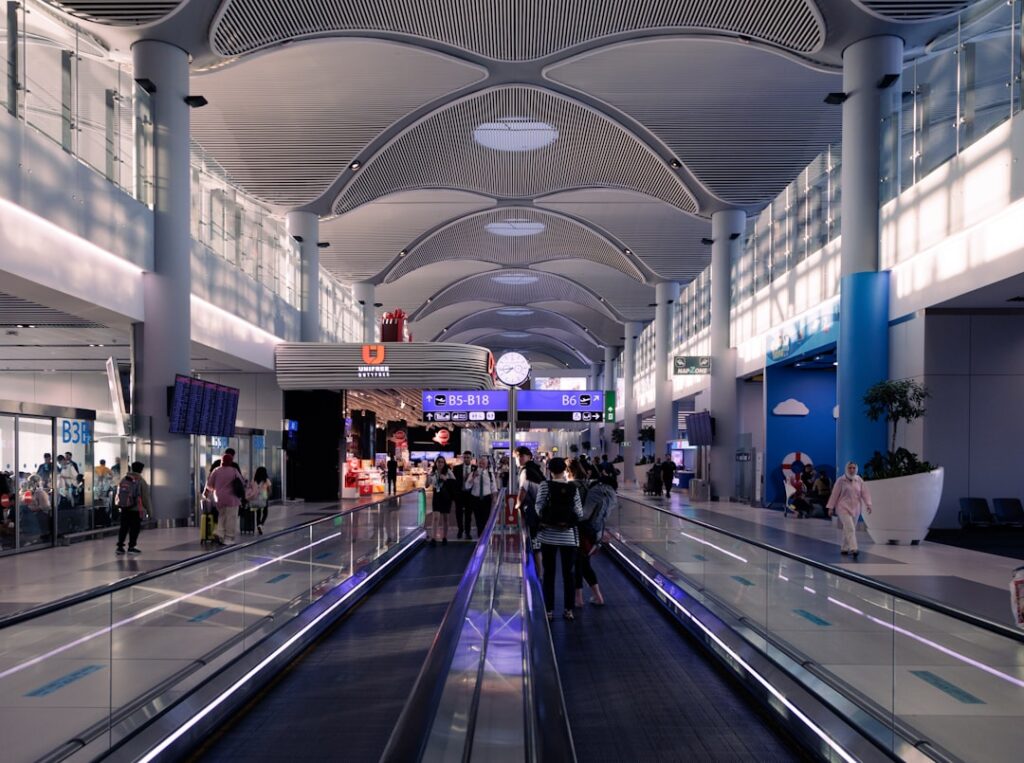
Istanbul has two international airports handling the majority of international flights: Istanbul Airport (north‑west) and Sabiha Gökçen Airport (Asian side). Knowing their addresses, immigration opening times and transport options is key for a calm arrival.
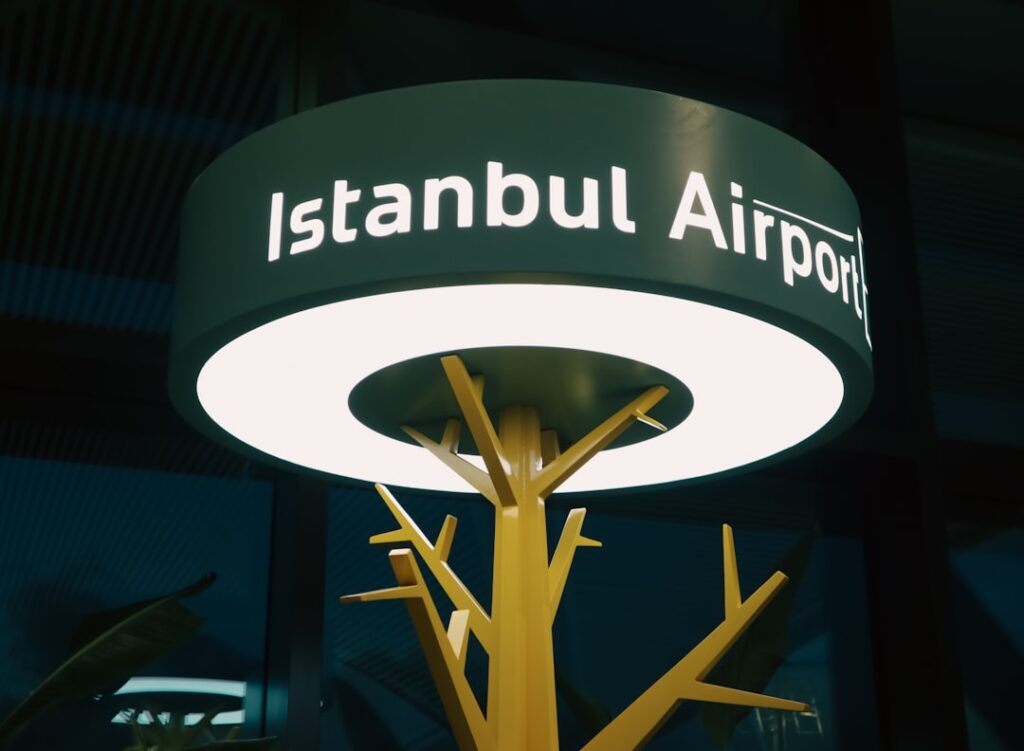
- Istanbul Airport (IST) — Address: Tayakadın Mahallesi, Terminal Yolu Caddesi, 34283 Arnavutköy/İstanbul, Türkiye. Opening hours: the airport is open 24/7; however immigration counters operate according to flight schedules (24/7 but variable). Passenger services and e‑visa kiosks are located in the arrivals hall, international arrivals level. Taxi to the city center (Taksim/Sultanahmet): around 35–60 minutes depending on traffic, indicative fare €25–45 (day rate). Havaist airport buses (shuttle) run to Taksim, Sultanahmet and other areas; prices about €6–10 per person depending on route. Expect 45–75 minutes travel time. Currency exchange desks and ATMs are available 24/7.
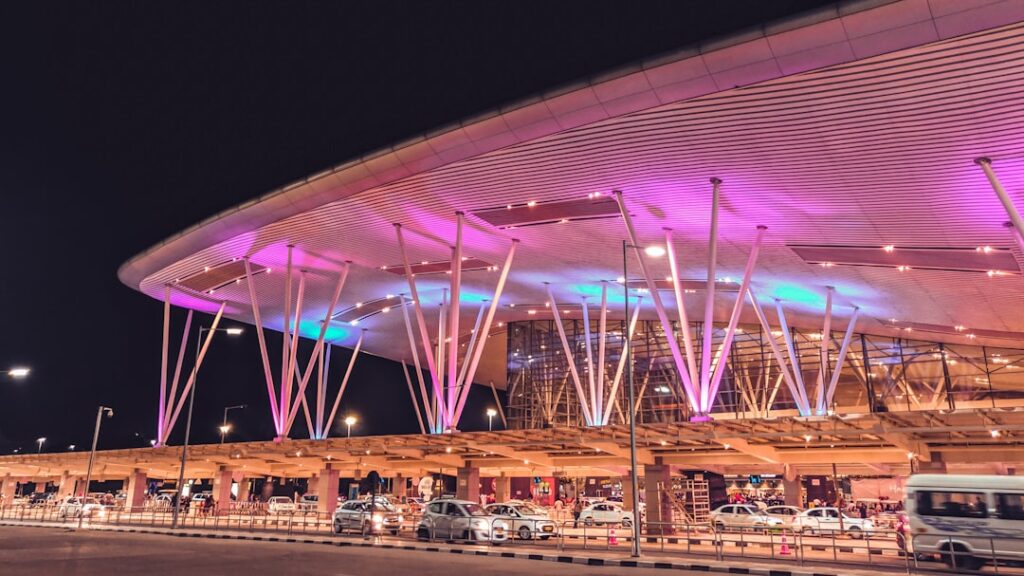
- Sabiha Gökçen International Airport (SAW) — Address: Sabiha Gökçen Havalimanı, Orhanlı Mahallesi, 34912 Pendik/İstanbul, Türkiye. Opening hours: open 24/7, immigration counters operate according to arrivals. Taxi to Kadıköy or Üsküdar: 30–60 minutes, indicative fare €20–35. Havabus shuttles and private operators provide links to Kadıköy, Taksim and other districts, typical fares €5–12.
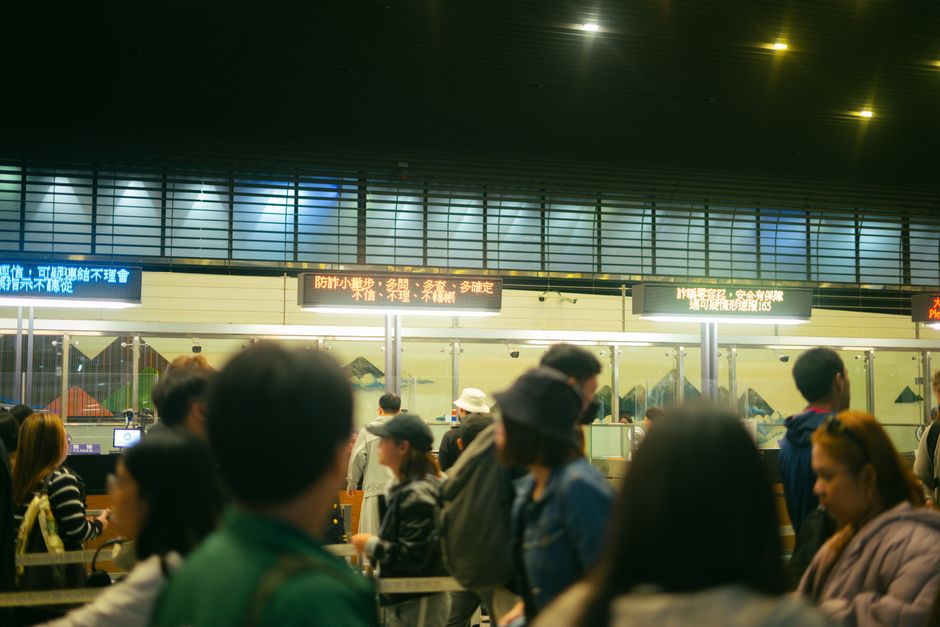
On arrival, expect to present your passport and e‑visa (printed or on your smartphone). Immigration officers may ask for proof of accommodation (hotel booking) or a return/ onward ticket, especially if the purpose or length of stay raises questions. If problems arise, airport information desks and local consular offices (list at the end of the guide) are your go‑to resources. Security checks and fingerprinting are routinely carried out for most travellers — keep your fingers clean and your documents easily accessible.
3) Must‑have documents in your luggage and practical arrival tips
To avoid stress, prepare a travel folder with the following documents: passport valid for at least six months after your entry date, printed e‑visa and a digital copy, hotel booking (with full address), return or onward ticket, travel insurance covering the duration of your stay (recommended, sometimes required), and proof of funds if requested (bank statement, credit card). Also bring a clear photocopy of all these documents stored separately in your luggage.
Travel insurance: policies vary; for a one‑week tourist stay basic coverage typically costs between €10 and €40. For 2026 it’s advisable to choose a policy covering medical repatriation, hospitalization and Covid‑19 (if applicable under current rules). Keep a PDF on your phone and a paper copy.
Medication and prescriptions: if you travel with prescription medicines, carry the original prescription in English or Turkish if possible. Note the generic name of the medication. Customs checks on medicines can be strict — better to be prepared.
Practical arrival tips:
– Have your e‑visa easily accessible (printed + screenshot).
– If you’re being met by a hotel or host, keep their full contact details (name, full address, phone) handy.
– Exchange a small amount of cash at the airport if needed (exchange desks are convenient but rates are less favorable). Example: an initial exchange of €50 for local currency (TRY) is common for taxis and small purchases.
– Phone: buying an eSIM or a local SIM (Turkcell, Vodafone, Türk Telekom) can cost €10–30 depending on the package (daily data included). Counters are located in the arrivals halls of both airports and are often open 24/7.
4) If something goes wrong: consulates, useful numbers and assistance services in Istanbul
If you run into trouble (lost passport, denied entry, stolen documents), act quickly and contact your consular representation. Istanbul hosts several consulates and embassies depending on your nationality; for French nationals, don’t contact the Embassy of Türkiye in France — instead, contact the Consulate General or your country’s embassy in Turkey. Example: for French nationals, the Consulate General of France in Istanbul (address indicative) — verify the official address before you travel: consulate locations change and may require appointments for emergency assistance.
Important emergency numbers in Istanbul:
– Police/Emergencies (Polis/Acil): 155
– Ambulance/Medical emergencies: 112
– Fire brigade (İtfaiye): 110
– Tourist police: present in busy areas like Sultanahmet — useful for petty theft and language assistance.
Airport assistance services: major airports offer help desks for travelers in difficulty (lost & found, consular assistance). Airlines also have counters to assist with connecting flights and reissuing tickets. If you lose your passport, go immediately to the airport police to report the loss, then contact your consulate to file a report and obtain emergency travel documents.
Local advice: if you’re stopped after arrival (police check or administrative situation), stay polite and present the documents requested. Turkish authorities often work with consulates to resolve incidents. To avoid losing documents, keep scanned copies stored on a cloud you can access from your phone.
Conclusion — Preparing your trip to Istanbul with confidence
Getting your paperwork in order for Istanbul in 2026 means anticipating requirements based on your nationality and the reason for your trip. The e‑visa remains the simplest option for most tourists: apply in advance via the official site, print a copy and keep a screenshot. Make sure your passport is valid for at least six months beyond your entry date and take out suitable travel insurance. On arrival, the two main entry points — Istanbul Airport (Tayakadın Mahallesi, 34283 Arnavutköy) and Sabiha Gökçen (Orhanlı Mah., 34912 Pendik) — offer full services, taxis and shuttles, but opening times and fares can vary; budget for transfers to the city center (taxi €20–45, shuttle €5–10).
If something goes wrong (lost passport, denied entry), act quickly: report the loss to the police, contact your consulate or embassy, and use airport assistance services. Always carry both paper and digital copies of essential documents: passport, e‑visa, hotel booking, return ticket and insurance. For work, study or long stays, prepare a consular visa file with supporting documents (invitation letter, employment contract, enrollment certificate) and schedule appointments in advance.
With these steps well in hand — passport check, official e‑visa, a ready travel file and knowledge of entry points and emergency numbers — your arrival in Istanbul is much more likely to go smoothly. Then enjoy the city’s cultural riches: from the Blue Mosque (Sultanahmet) to the Grand Bazaar (Kapalıçarşı), and the lively neighborhoods of Beyoğlu and Kadıköy once your admin is sorted. Safe travels and iyi yolculuk!