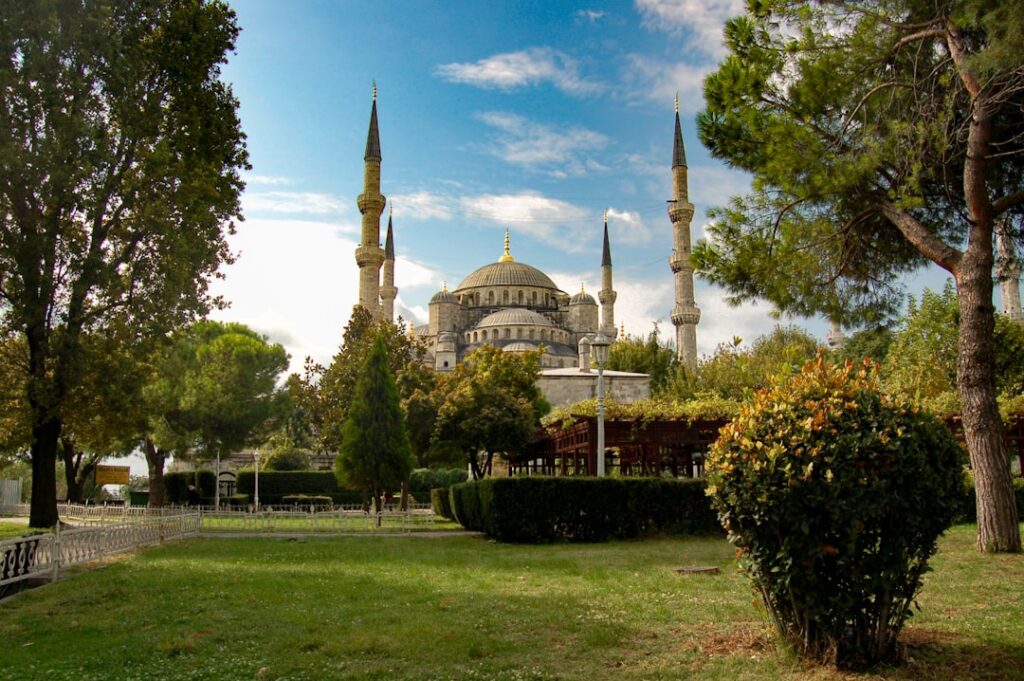






Introduction — Ottoman stroll in Sultanahmet: understanding the Empire
Sultanahmet, Istanbul’s historic heart, is a layered crossroads where Ottoman traces read like a palimpsest: palaces, mosques, religious schools (madrasas), baths (hammams), public fountains and squares that reveal how a multi-centered capital organized itself around power, religion and daily life. This walk is designed as an educational and sensory route, grouping ten key sites that let visitors grasp not only Ottoman architecture and art, but also their social, economic and political roles. Each location below includes practical info — full address, prices in euros, approximate opening hours — along with immersive descriptions and local tips to get the most from your visit.
This guide takes a general approach: it’s aimed at curious travelers seeking a coherent overview of the Ottoman imprint in Sultanahmet, without ignoring the Byzantine context or recent changes. You’ll find explanations of each monument’s original function, visual cues to help you orient yourself (facades, inner courtyards, arcades, gardens), and practical recommendations — prayer times, managing queues, combined ticket options, dealing with summer heat or winter weather, and how to respect local customs (clothing, behavior in places of worship, photography).
Sultanahmet is best explored on foot: distances between sites are short but the time needed to take everything in is often underestimated. To fully enjoy it, plan a full day (8–10 hours) or two structured half-days — mornings for indoor monuments, afternoons for outdoor strolls and museums. This guide also offers alternatives and suggestions to adapt the route to your interests: art, architecture, political history, or just tasty wandering. Note that prices and hours are given in euros to make them easier for international readers; they reflect converted rates or prices commonly shown to foreign visitors. Always check locally or online before you go, as museum administrations sometimes update access conditions.
1. Hagia Sophia — Ayasofya-i Kebir Camii Muzesi
Address: Ayasofya Meydanı, Sultanahmet, 34122 Fatih/İstanbul, Turkey.
Price: Free (mosque). For visitors who want a private guide, expect roughly €40–80 for a 1.5–2 hour private tour.
Hours: Open continuously for prayer and exterior visits; interior access is subject to prayer times (five daily prayers) and may be restricted during those periods. Generally, visitors can enter outside prayer hours, early morning and late afternoon. Check local notices for temporary closures.
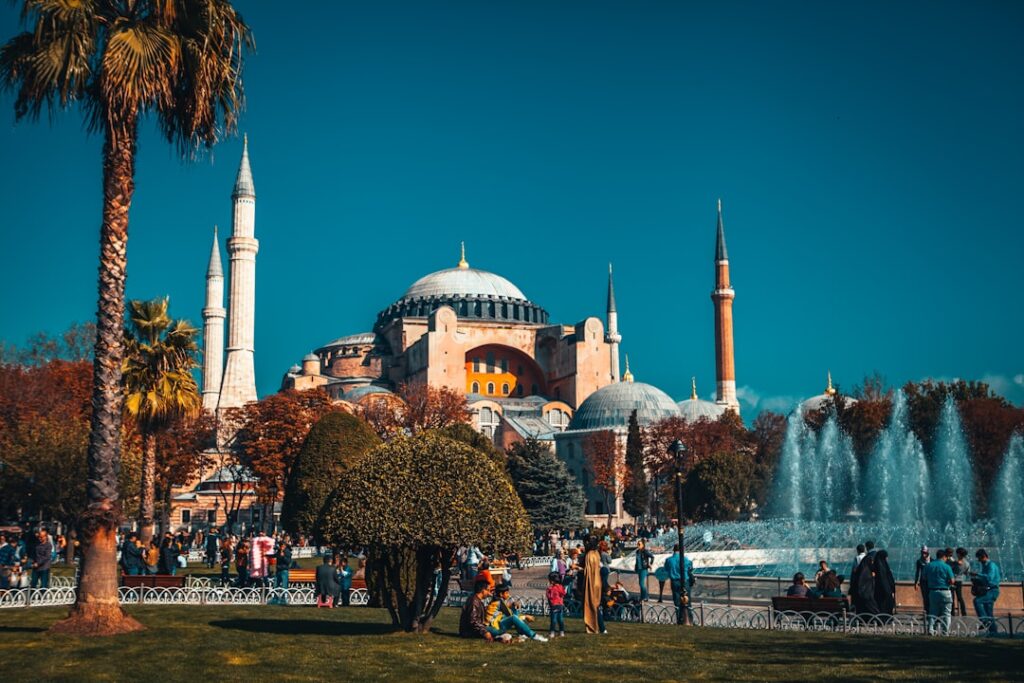
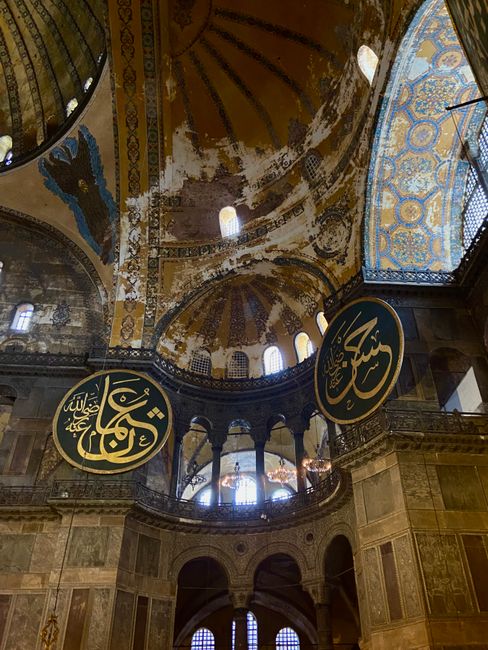
The Hagia Sophia basilica—converted to a mosque in the 15th century, made into a museum in the 20th, and returned to mosque status in the 2020s—remains essential to understanding continuities and ruptures between Byzantium and the Ottoman Empire. The building is a technical and aesthetic statement: monumental dome, massive arches, upper galleries, Byzantine mosaics that were covered and sometimes revealed, and a vast interior that served as imperial theatre. During the Ottoman era the Hagia Sophia received symbolic Ottoman additions visible today: a marble mihrab (prayer niche), a carved minbar (pulpit), huge circular calligraphic panels bearing the names of Allah, the Prophet and the four caliphs, and lateral structures for the sultans.
Local tips: respect prayer times, wear appropriate clothing (shoulders and knees covered), and bring a small cloth if you plan to sit while studying the mosaics. Guided tours that explain Ottoman interventions will help you distinguish Byzantine elements from Ottoman additions and appreciate the site’s layered history.
2. Blue Mosque (Sultanahmet Camii) — Sultan Ahmet Camii
Address: Sultan Ahmet Mahallesi, Atmeydanı Cd. No:7, 34122 Fatih/İstanbul, Turkey.
Price: Free (mosque). Donations welcome.
Hours: Open to visitors outside prayer times; temporarily closed for the five daily prayers. Generally accessible from about 09:00 to 17:00 outside prayer times, schedule varies with the season.
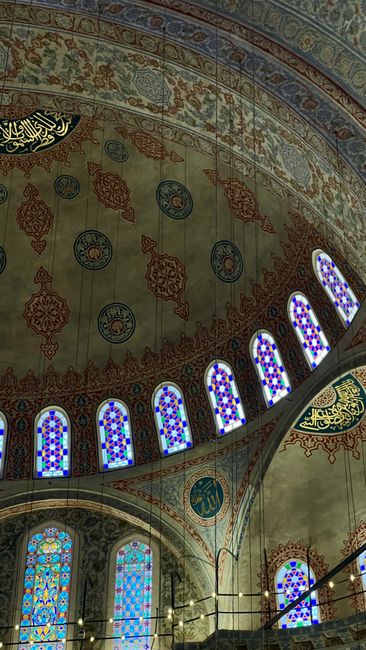
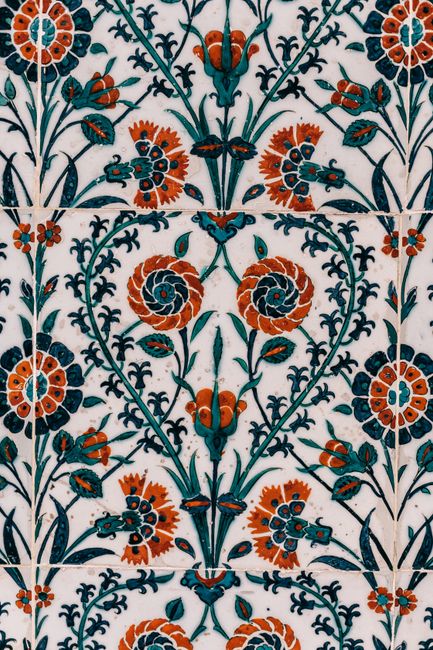
The Blue Mosque, commissioned by Sultan Ahmed I and completed in 1616, is one of the masterpieces of classical Ottoman architecture. Unlike Hagia Sophia, it was conceived and funded as a full religious and social complex — mosque, madrasa, soup kitchen for the poor, hammam and hospice. Inside, some 20,000 Iznik tiles cover the walls: floral motifs and arabesques in blue and turquoise that give the monument its popular name. The six slender minarets and the arrangement of small domes structure the light to create a contemplative atmosphere quite different from Byzantine monumentality.
Local tips: arrive early to beat the crowds and catch the soft light that highlights the Iznik tiles. Women must wear a headscarf and both men and women remove their shoes to enter; headscarves are usually available to borrow at the entrance. Avoid Friday morning (Friday prayer) if you want to tour the interior in regular tourist attire.
3. Topkapi Palace (Topkapı Sarayı) — Ottoman imperial palace
Address: Cankurtaran, 34122 Fatih/İstanbul, Turkey (northeast of the Blue Mosque, bordering the Bosphorus).
Price: General admission around €15; Harem section supplement about €7–12 (often combined ticket). Free entry for under 8s; student discounts with valid ID.
Hours: Generally open 09:00–18:45 (last entry 17:30); closed on Tuesdays. Hours may vary by season.
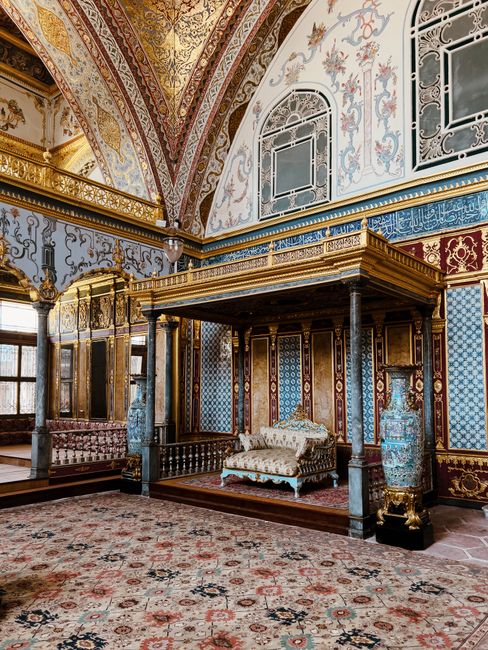
Topkapi Palace is central to understanding the Ottoman political and administrative system. Built in the 15th century after Mehmet II’s conquest of Constantinople, it served as the sultans’ official residence and the seat of government until the mid-19th century when the court moved to Dolmabahçe Palace. The complex is organized around four main courtyards: the First Court (public space and markets), the Second Court (administration and audiences), the Third Court (imperial residence) and the Fourth Court (private pavilions and museums).
Collections include imperial treasures (goldsmithing, weaponry), relics of the Prophet, illuminated manuscripts and a remarkable array of daily-life objects from the Ottoman court. The Harem, an intimate and highly structured space, reveals the internal hierarchy — the mother of the sultan’s quarters, the concubines’ rooms, private apartments, and the sultan’s own chamber — useful for understanding the social and political roles of women within the imperial household.
Local tips: buy tickets early or online to avoid lines; the Harem has a separate queue and a surcharge. Allow 2.5–4 hours for a full visit, more if you want to see temporary exhibitions. Bring water and wear comfortable shoes: the courtyards are extensive and the stone can be slippery.
4. Basilica Cistern (Yerebatan Sarnıcı) — Underground cistern
Address: Alemdar, Yerebatan Cd. 1/3, 34110 Fatih/İstanbul, Turkey (near Hagia Sophia).
Price: Around €6 per person. Discounts for students and groups.
Hours: Typically 09:00–17:30 (extended in summer to 19:00), closed on some holidays or for maintenance.
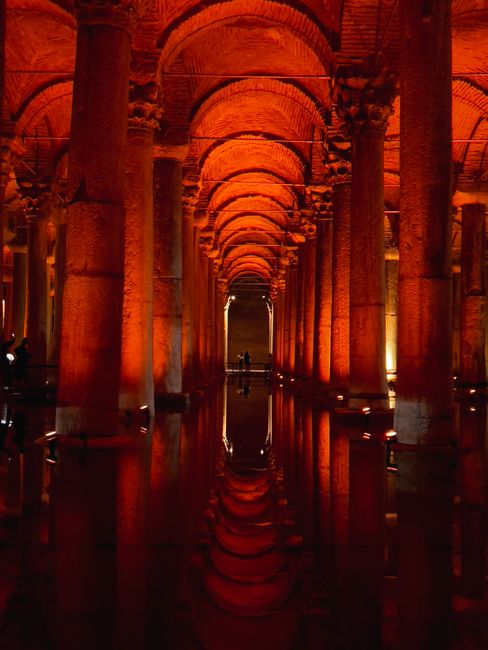
The Basilica Cistern, an underground water reservoir built in Byzantine times, was used and maintained during the Ottoman era to supply water to the palace and surrounding neighborhoods. Its impressive vaulting, supported by 336 columns in neat rows, creates a mystical atmosphere amplified by still water and low lighting. The Ottoman contribution here is less architectural than functional: the ongoing use and management of water supply that allowed the Ottoman administration to sustain urban life in this densely populated area.
Local tips: the temperature inside is cool year-round — bring a light layer even in summer. Access is via a descending staircase: watch your step on wet stairs. The Medusa heads embedded at the bases of two columns (an antique decorative reuse) are popular photo spots; come early or late afternoon to avoid crowds.
5. Turkish and Islamic Arts Museum (Turkish and Islamic Arts Museum)
Address: Atmeydanı Cd., Sultanahmet, 34122 Fatih/İstanbul, Turkey (in the park between Hagia Sophia and the Blue Mosque, facing the Hippodrome).
Price: Around €8–10 per person; reduced rates available.
Hours: Generally 09:00–17:00, closed on Mondays. Check hours in high season.
Housed in a former Ottoman palace (the renovated residence of the Islahat Fermanı period), the Turkish and Islamic Arts Museum offers a rich collection for understanding Ottoman aesthetics: rugs and kilims, Iznik ceramics, Quranic calligraphy, illuminated manuscripts, and wooden and metal objects. Unlike more recent ethnographic museums, this one emphasizes the Islamic continuity in Ottoman art and the spread of styles across regions. The displayed carpets tell stories of patrons, workshops and commercial exchanges within the empire.
Local tips: don’t skip the calligraphy and miniature sections — they’re often less crowded but essential for understanding Ottoman visual ideology. Labels often include English translations; ask for a map at the entrance to organize a 1–2 hour visit depending on your interest.
6. Hippodrome of Constantinople (At Meydanı) — Obelisk and columns
Address: Sultanahmet Meydanı, Sultanahmet, 34122 Fatih/İstanbul, Turkey.
Price: Free access (public square).
Hours: Open at all times, public outdoor space.
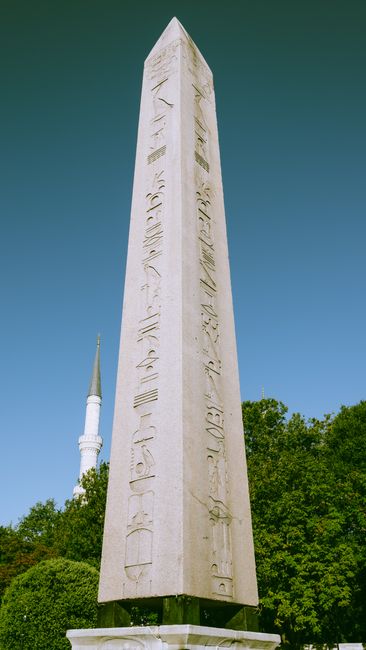
The Hippodrome was part of the urban fabric that survived as public space and was used by the Ottomans as a civic square and gathering place. Today called Sultanahmet Square (At Meydanı), it retains several monuments: the Obelisk of Theodosius (imported from Egypt), the Serpent Column (Column of Constantine), and the German Fountain, erected as a gift from Kaiser Wilhelm II at the end of the 19th century — a sign of late Ottoman diplomatic ties with European powers. The square’s continued use for trade, gatherings and celebrations shows how these places remained central to city life.
Local tips: the square is perfect for a coffee break on a terrace and for watching the flow of visitors between Hagia Sophia and the Blue Mosque. In the morning the light brings out the obelisk’s reliefs, ideal for photos. In the evening the square livens up with street vendors and musicians.
7. German Fountain (Alman Çeşmesi) and Ottoman fountains
Address: At Meydanı, Sultanahmet, 34122 Fatih/İstanbul, Turkey (at the northern end of the Hippodrome square).
Price: Free access.
Hours: Open at all times (public space).
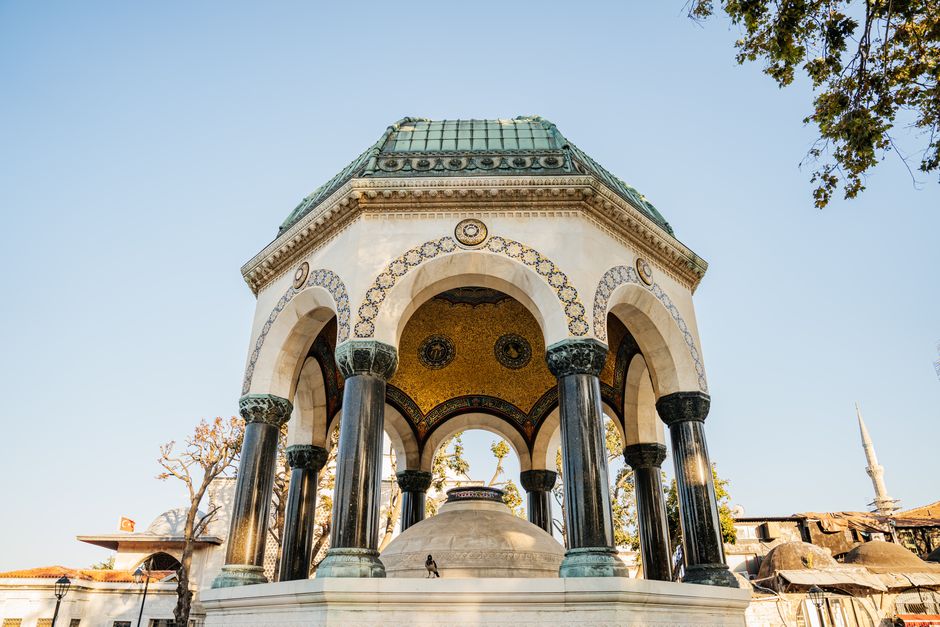
The German Fountain is an octagonal cast-iron pavilion with gilded mosaics, gifted by Kaiser Wilhelm II in 1901. Although late and neo-Ottoman in style, it symbolizes late Ottoman international relations and cultural diplomacy through architectural gifts. Nearby you’ll also find older Ottoman fountains, often finely carved in marble, which served as public water points — essential elements of Ottoman urban infrastructure where utility met aesthetics.
Local tips: get close to examine the calligraphy and inscriptions — they often show dates in the Hijri calendar and names of patrons. It’s a good spot to see how water and the representation of authority were linked in Ottoman public space.
8. Istanbul Archaeology Museums (Istanbul Archaeology Museums)
Address: Cankurtaran, Osman Hamdi Bey Yokuşu, 34122 Fatih/İstanbul, Turkey (near Topkapi Palace).
Price: Around €10 for general admission; student and child discounts available.
Hours: Generally 09:00–17:00, closed on Mondays. Hours can be extended in summer; check before you go.
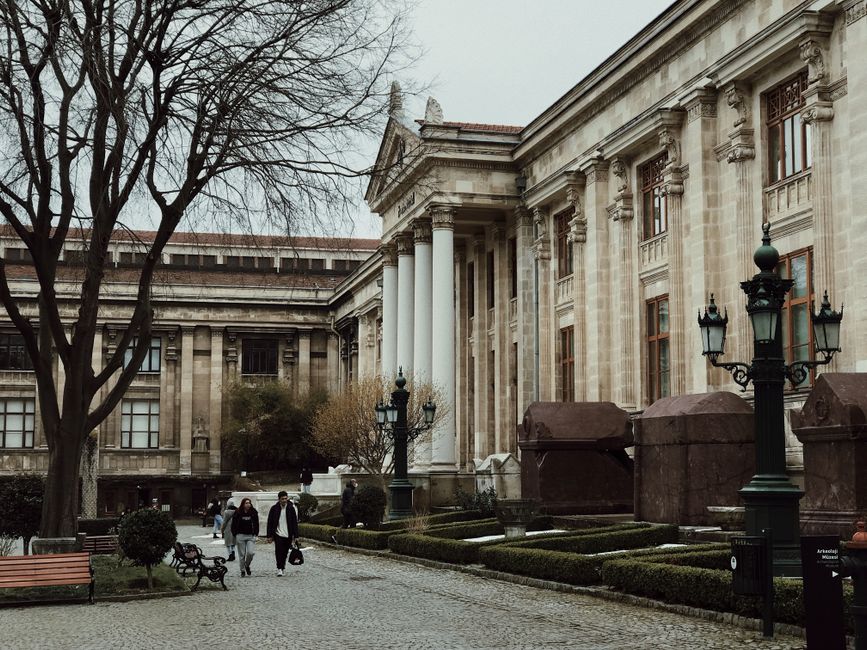
The Istanbul Archaeology Museums, a complex of museum buildings, are key to placing the Ottoman Empire in a Mediterranean and Asian context. The archaeological collections range from Hittite, Phrygian, Greek, Roman, Byzantine to Ottoman objects — giving a broad view of how population, power and material practices evolved. For Ottoman history, rooms display inscriptions, coins and diplomatic objects that shed light on provincial governance and commercial exchange.
Local tips: set aside at least 2 hours here. The collections are vast; prioritize the sections that interest you most (e.g. inscriptions and coins to understand Ottoman administration). The museum exterior offers a lovely view of the Bosphorus and Topkapi Palace.
9. Historic hammam (Hammam) — Çemberlitaş Hammam or Süleymaniye Hammam (choice)
Option 1 address (Çemberlitaş Hammam): Atmeydanı Cd. No:8, Çemberlitaş, 34122 Fatih/İstanbul, Turkey.
Option 2 address (Süleymaniye Hammam): Süleymaniye Mah, Prof. Sıddık Sami Onar Cd. No:1, 34116 Fatih/İstanbul, Turkey (a little off the main Sultanahmet area but symbolic).
Price: For a traditional hammam (bath + massage), expect €30–70 depending on the package and the quality of the venue; basic services €15–30.
Hours: Generally 08:00–22:00; some places open earlier or close later. Reservations recommended.
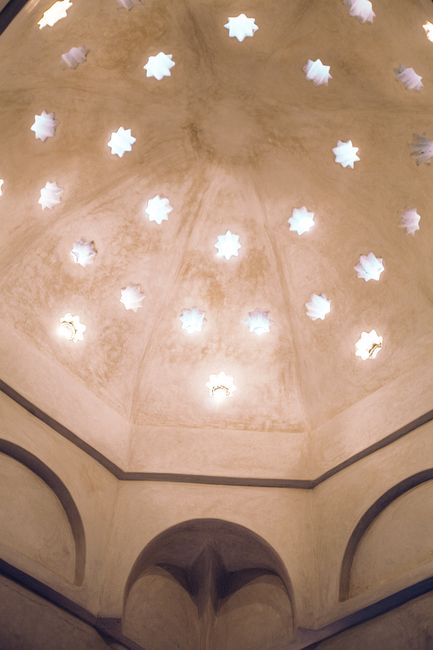
Hammams were central institutions in Ottoman society: hygiene, sociability and purification rituals that structured private and public life. A traditional hammam consists of a hot room, a warm bathing area and a steam chamber. In Ottoman times these establishments also played economic (jobs, trade) and social (meetings, pre-marital ceremonies) roles. Experiencing a hammam, even briefly, lets you feel the material reality of Ottoman urban life and understand historic bodily practices.
Local tips: choose a hammam recommended for hygiene and reputation; avoid overly touristy options if you want an authentic experience. If it’s your first time, opt for a short package and ask staff to explain the steps. Bring a swimsuit if required, or follow local modesty rules; some hammams offer gender-segregated sections.
10. Gülhane Park and Ottoman gardens — Gülhane Park
Address: Cankurtaran, 34122 Fatih/İstanbul, Turkey (southeast of Topkapi Palace, descending toward the sea).
Price: Free access.
Hours: Public park generally open from dawn to dusk, hours vary by season. Some sections and cafés may have their own hours.
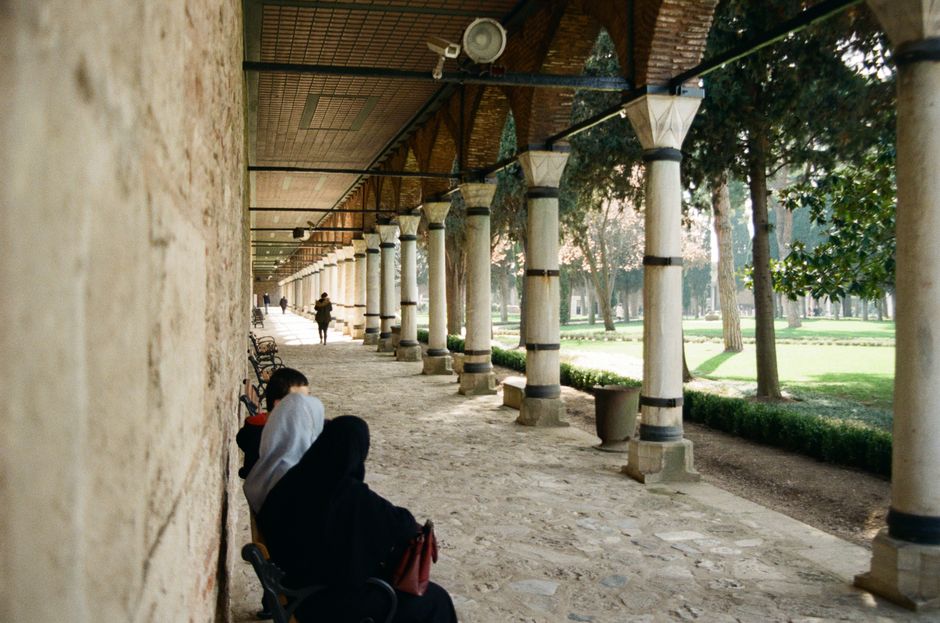
Gülhane Park, the former imperial garden adjacent to Topkapi Palace, is one of the rare green spaces where you can still sense Ottoman landscape design: shaded alleys, groves, kiosks and viewpoints toward the Bosphorus. In Ottoman times these gardens were places for elite promenades and staging power — they hosted celebrations, diplomatic outings and Sunday walks. Today the park offers a calm break amid the tourist bustle and is ideal for reading the historical panels that explain past and present uses.
Local tips: enjoy a picnic lunch on the grass or stop at one of the park’s small cafés. Morning light is great for photos of cypresses and Ottoman kiosks; late afternoon the tree shade becomes a refuge from the heat. Botanical enthusiasts should look for old species planted during the Ottoman period.
Practical tips for planning the walk
- Recommended time: 1–2 days depending on your curiosity. One packed day (8–10h) for the essentials, two half-days for a more relaxed pace.
- Tickets: book Topkapi Palace and certain museums online; the Harem often requires a surcharge. Always compare official prices with those offered by local resellers.
- Clothing: pack respectful attire for mosques (shoulders and knees covered). Bring a bandana or scarf for women, and a bag for shoes if needed.
- Prayer times: five times a day — some religious sites will close at these moments. Check local schedules (prayer apps or posted timetables).
- Accessibility: many sites have stairs and uneven floors; comfortable shoes are a must. Some attractions offer limited access for visitors with reduced mobility.
- Currency: the local currency is the Turkish lira (TRY); however, prices and guided tours are often listed in euros for tourists. Carry some cash and a bank card.
Conclusion — Understanding the empire through Sultanahmet
The Ottoman stroll through Sultanahmet is both a material and intellectual experience: it highlights how architecture, urban planning and institutions shaped city life and the representation of power. Moving through Hagia Sophia, the Blue Mosque, Topkapi Palace, the museums and public spaces, you begin to grasp an empire that combined imperial splendor, a sophisticated administration, and everyday practices — sometimes austere, sometimes lavish. Each site in this guide illustrates a specific facet: religious monumentality, palace organization, water management, symbolic diplomacy, or daily rituals like bathing.
On a practical note, remember that the hours and prices listed here are indicative and shown in euros to help plan your visit. Local authorities may change rates and opening times, especially during religious festivals, renovation periods or official events. For a smooth visit, avoid long lines by booking online when possible, arrive early to enjoy the light and atmosphere, and plan breaks in places like Gülhane Park or a terrace with Bosphorus views.
Finally, Sultanahmet’s richness also lies in the details: calligraphic inscriptions, Iznik tile patterns, the voices echoing in mosque courtyards, the texture of the Harem’s stones, the sound of footsteps on the cobbles. To understand the Ottoman Empire you must alternate a panoramic gaze with close observation, follow the thread of power while allowing yourself to be surprised by traces of everyday life. This Ottoman walk will help you accumulate historical knowledge and also experience the living continuity of a city that, despite changes, still reads its history in stone and in daily life.
Happy travels through time — keep these addresses and tips in mind for a respectful, deep and memorable discovery of Sultanahmet. Understanding the Ottoman Empire also means understanding how a people built and inhabited their living environment for centuries.